|
6. An Autumn day in Royal Leamington Spa Scenes in English West Midlands
INDEX of Leamington Spa sections (all on this page)
*
(a) The Regent Hotel - converted to a Travelodge, Leamington Spa
The Regent Hotel - entrance to the Leamington Spa Travelodge, on the right is the Regent Court Shopping Centre Arcade. The first steps towards building the Regent Hotel came in 1809 with the purchase of a plot of land to build on. The foundation stone was laid some eight years later on 18 July 1818 by the granddaughter of the original landowner. The Regent Hotel was officially opened on 19 August 1819. It was during the early years that the Regent Hotel had its most famous visitor, Princess Victoria, the future Queen Victoria. In 1830 the princess, age 11, stayed overnight at the hotel with her father. Eight years later from the balcony of the hotel it was announced that Victoria, now Queen, had allowed the prefix Royal on its name, which the town still bears to the day. In these early days the Regent Hotel was one of the largest in Europe with over 100 rooms. In these early days the Regent Hotel was not just a place where the wealthy tourists stayed whilst 'taking the waters' but it was also an important meeting place for local gentry and landowners, those who were to shape the future of Leamington Spa.
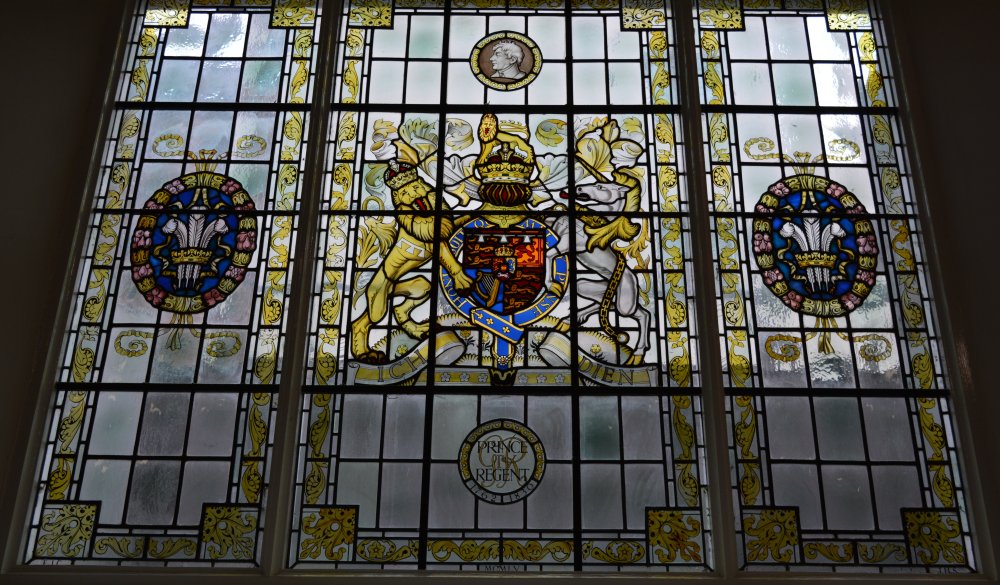
Stained glass window panels in the Regent Hotel, Leamington Spa. The lower crest is that of the Prince Regent.
Stained glass window panels in the Regent Hotel, Leamington Spa.
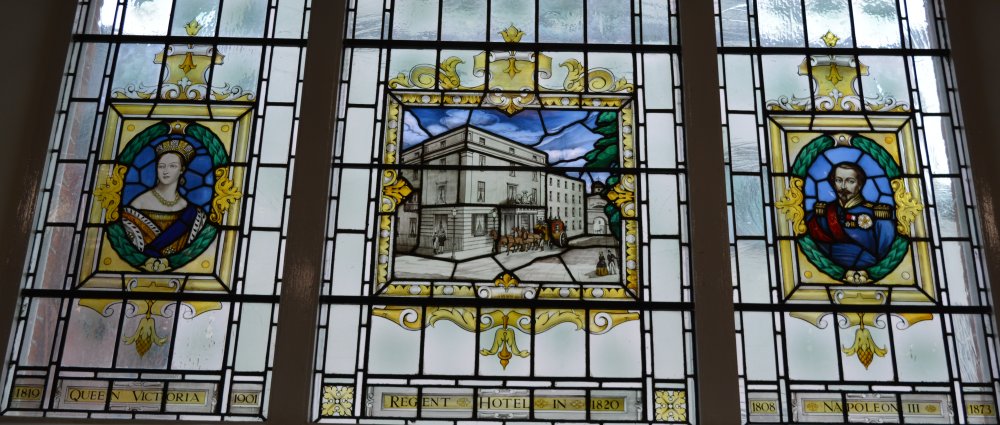
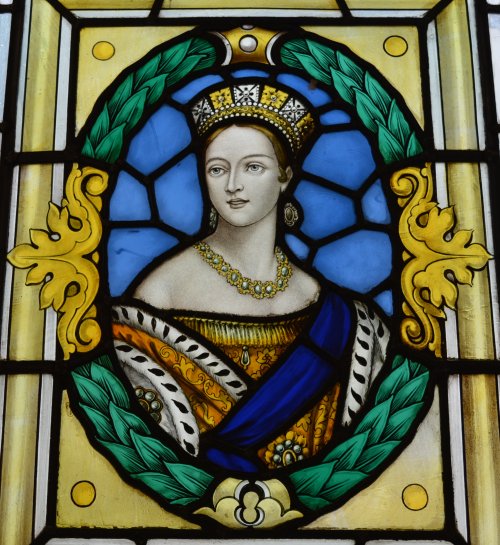
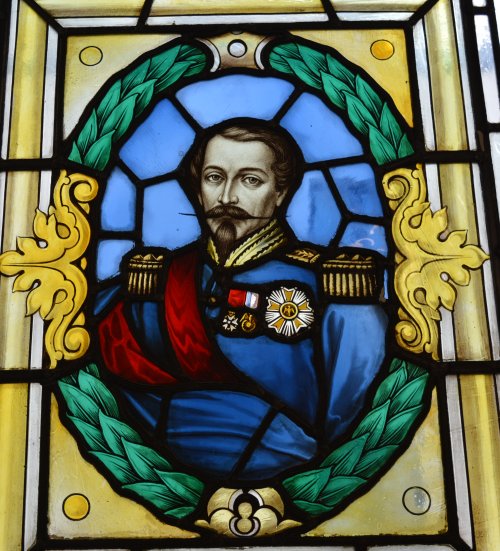
Details of the Stained glass window panels in the Regent Hotel, Leamington Spa. Queen Victoria dated 1901 and Napoleon III, dated 1873, who had visited Leamington Spa in 1838.
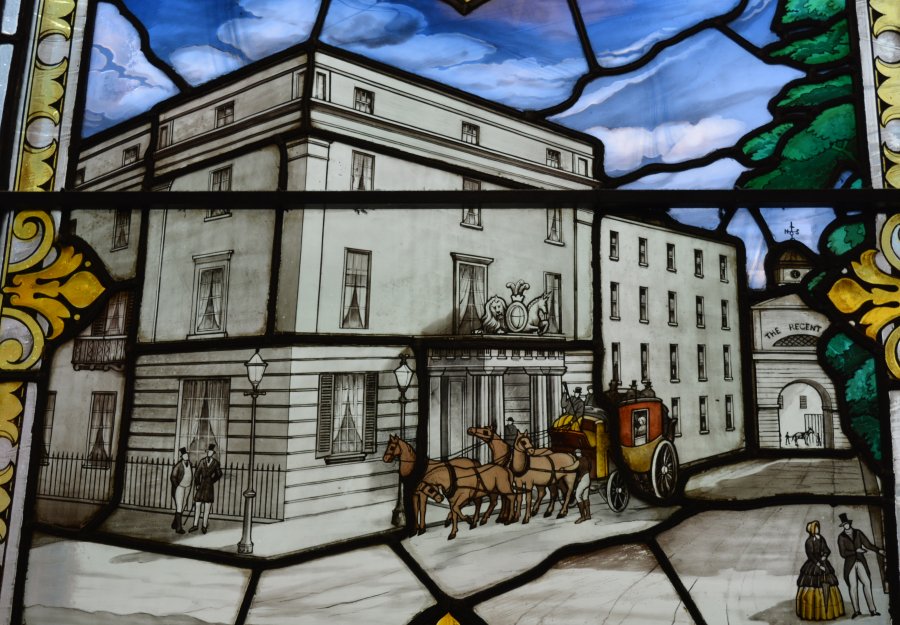
The middle panels depicts the Regent Hotel as it was in 1820
Stained glass window panels in the Regent Hotel, Leamington Spa.
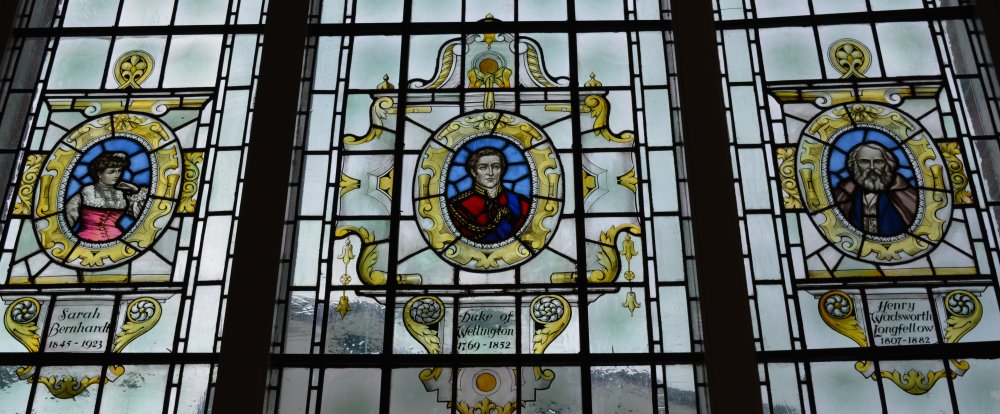
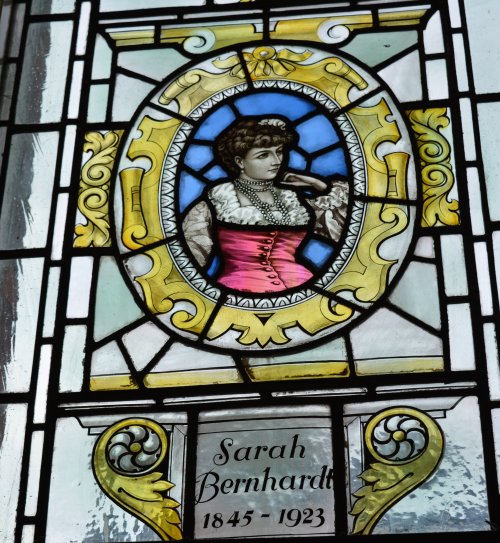
Sarah Bernhardt 1845-1923 and the Duke of Wellington 1769-1852
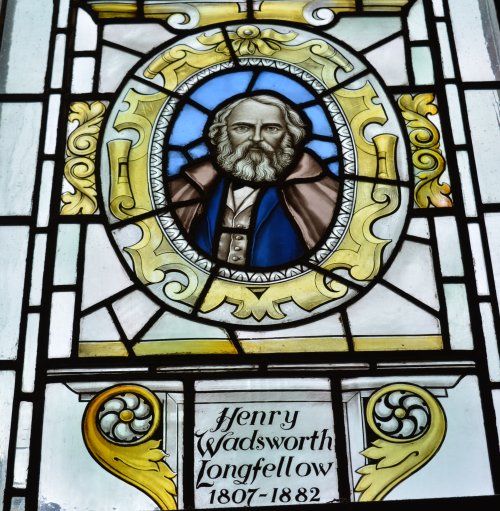
Henry Wadsworth Longfellow 1807-1882 (b) The Parade and Buildings, Leamington Spa
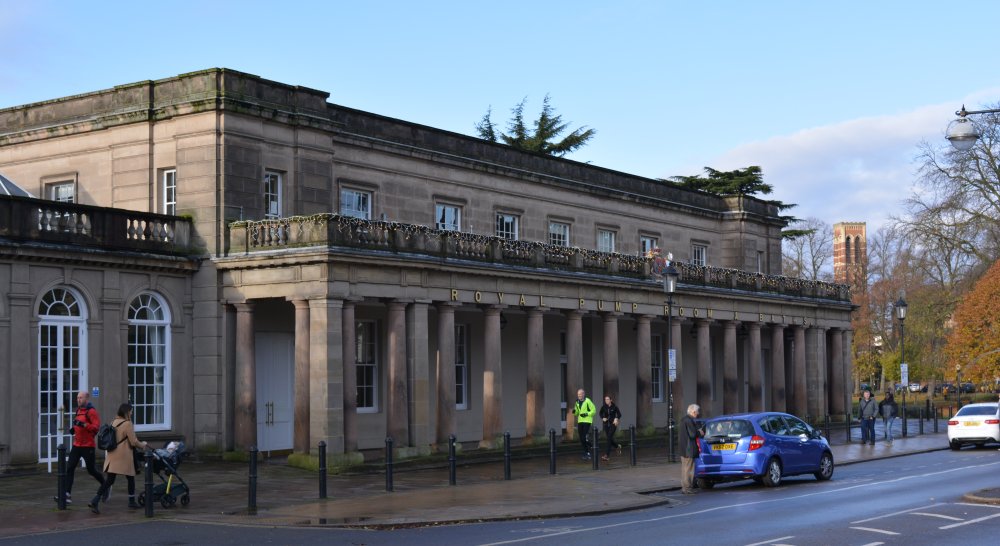
The Parade facade of the Royal Pump Room Baths at the lower end of the Parade.
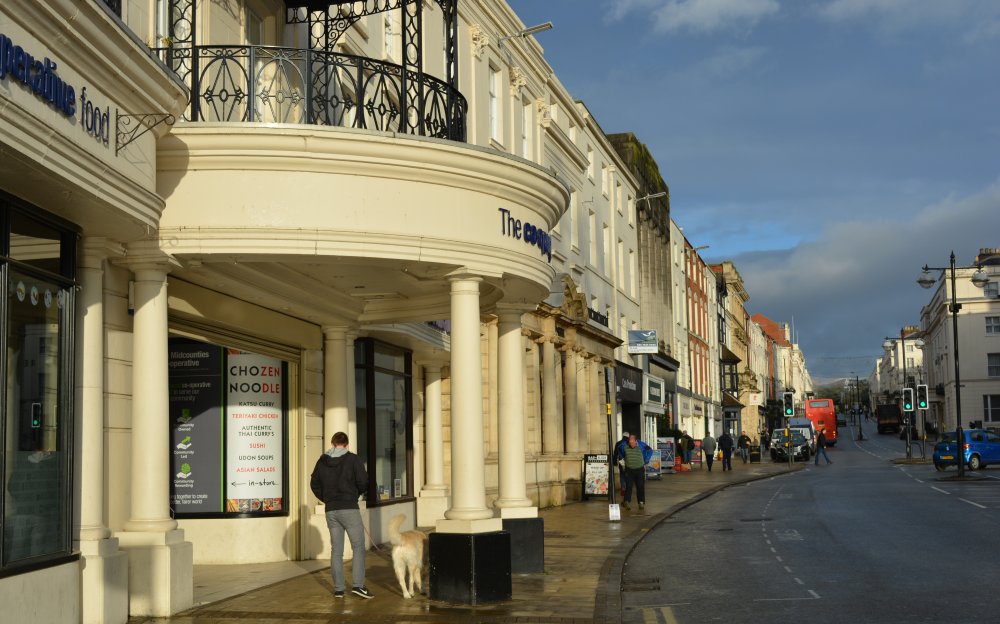
The lower end of the Parade, and the rather grand entrance to the Co-Operative Food store
Bill's Breakfast on the Leamington Spa Parade
Town Hall, Queen Victoria monument, Obelisk on Leamington Spa's Parade
The Parade entrance to the Regent Hotel, actually the entrance to the Wagamama restaurant in Leamington Spa.
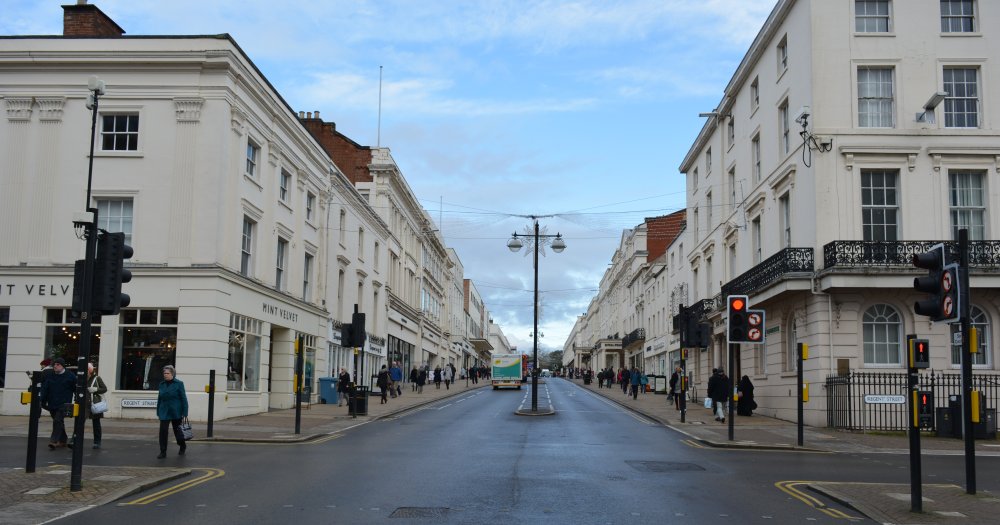
The upper end of the Parade where Regent Street crosses it in Leamington Spa.
(c) The Pump Room Gardens and St Peter's Church, Leamington Spa
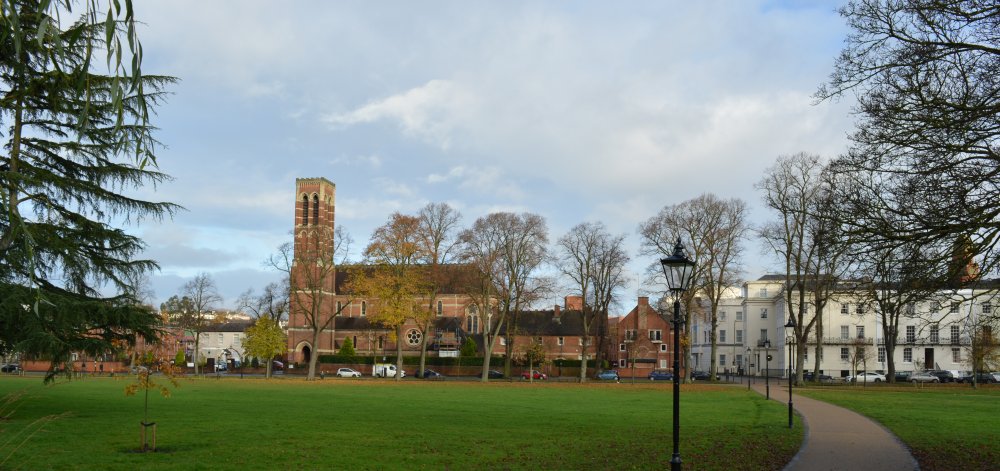
View of St Peter's Church from across the Pump Room Gardens, Leamington Spa
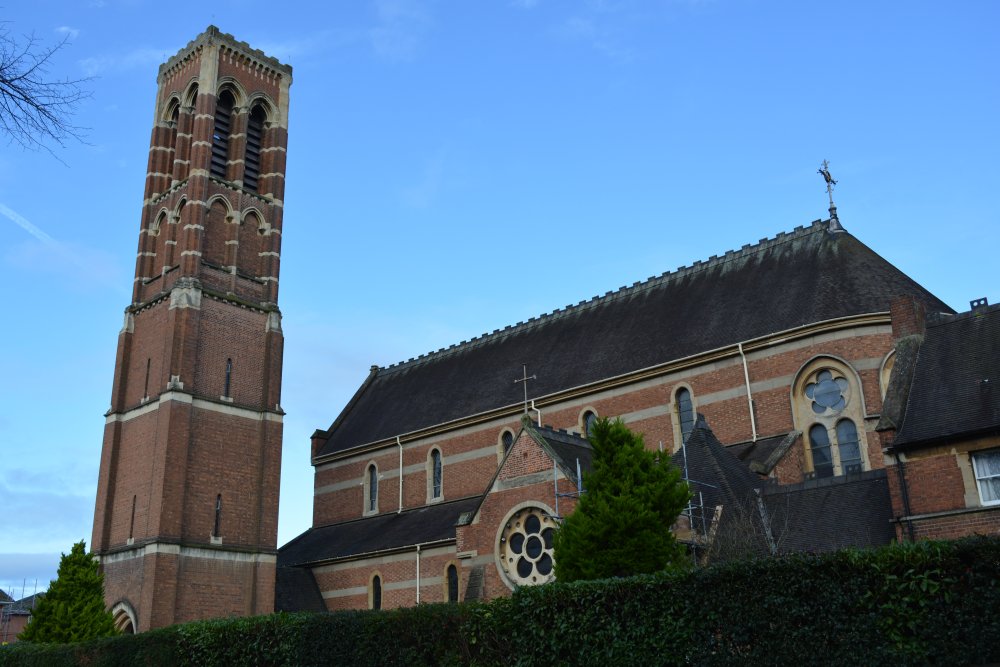
The exterior architecture of St Peters' Roman Catholic Church, Leamington Spa
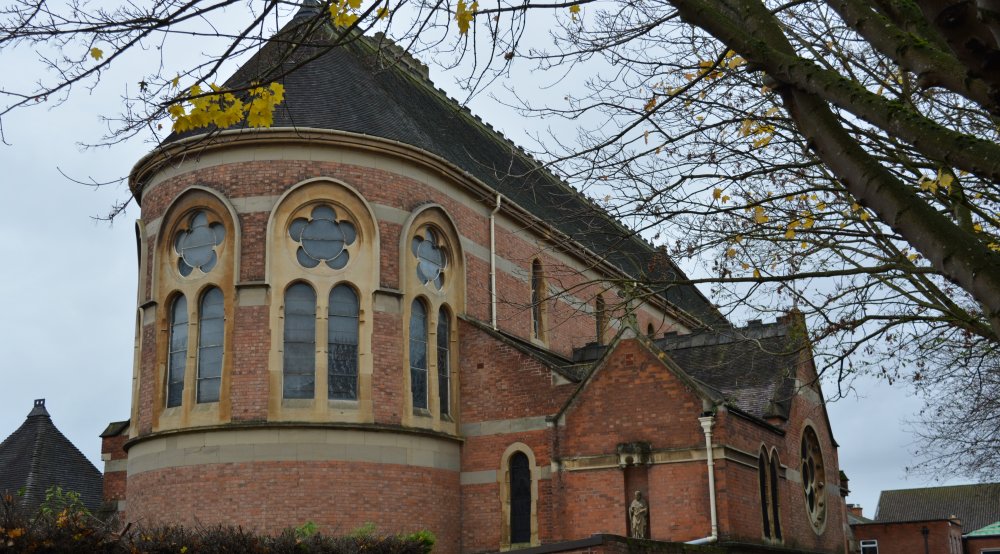
The 'apse' end of St Peter the Apostle RC Church, Leamington Spa (d) All Saints Parish Church, Leamington Spa
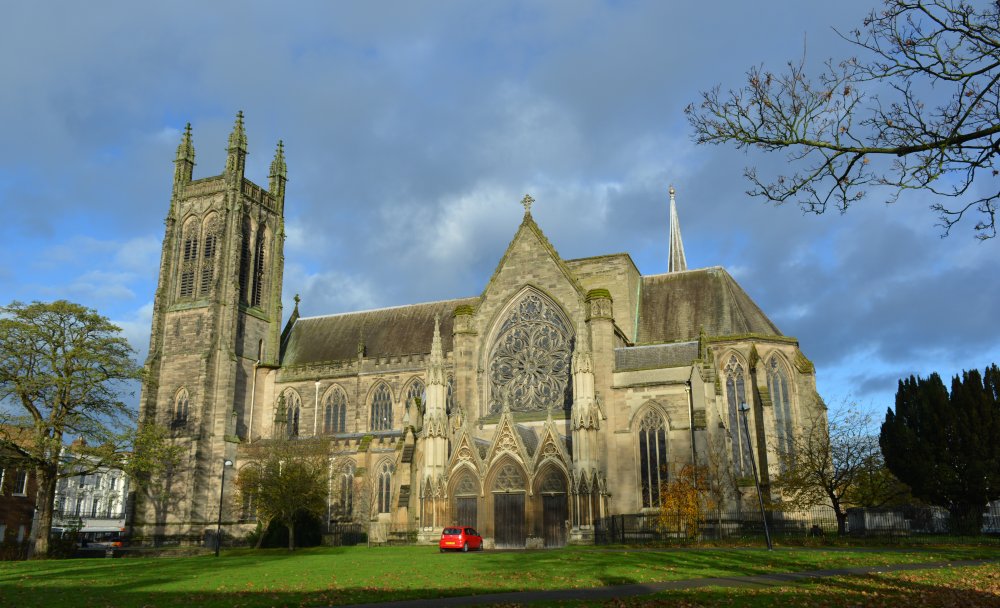
The south view of All Saints Church, Leamington Spa.
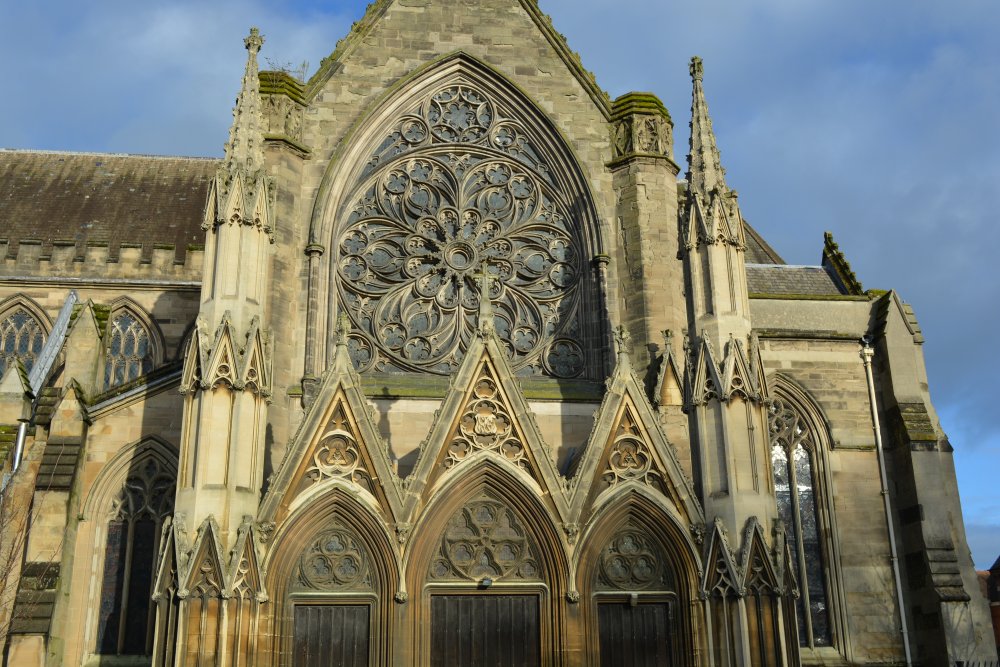
Details of the south-east end of All Saints Church, including the tracery of the wonderful south transept Rose Window.
The Old Library pub in Bath Street, Leamington Spa (e) Jephson Gardens including the Hothouse, Jephson Memorial, Cafe and River Leam Mill Bridge, Leamington Spa
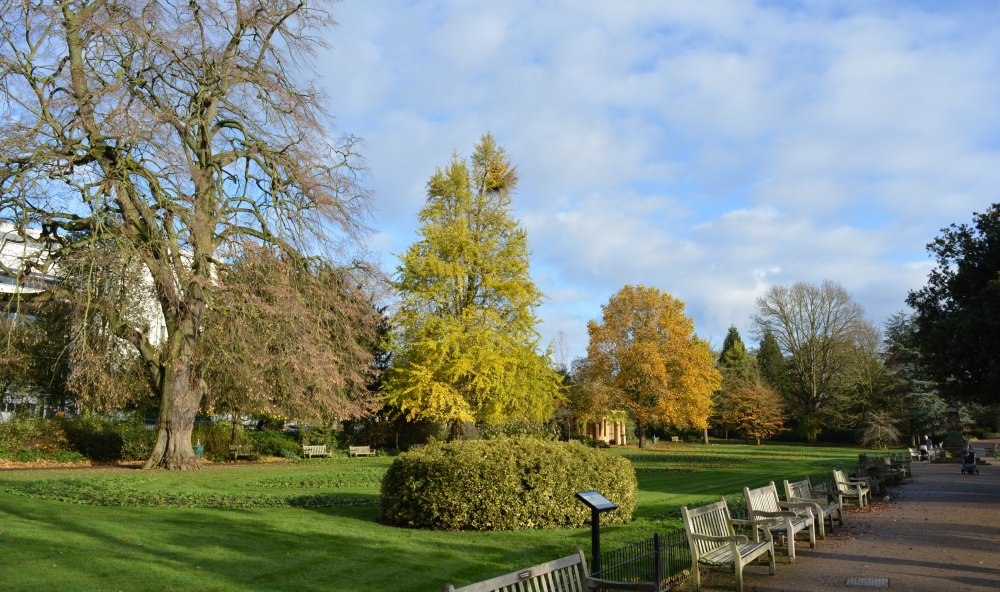
The lovely formal garden in the Jephson Gardens, Leamington Spa
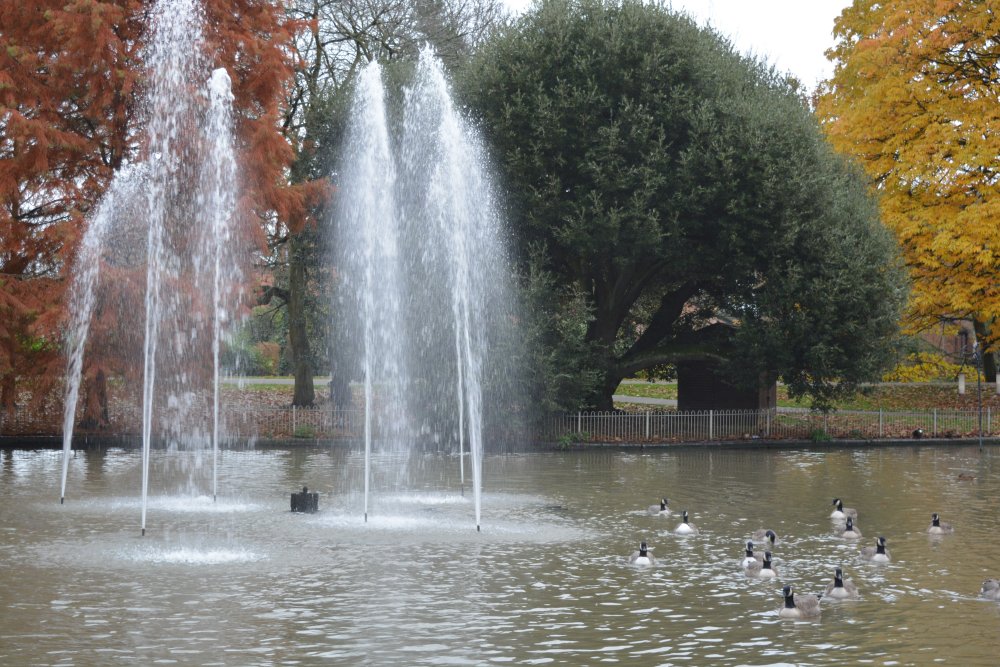
The fountains in the Jephson Gardens, Leamington Spa
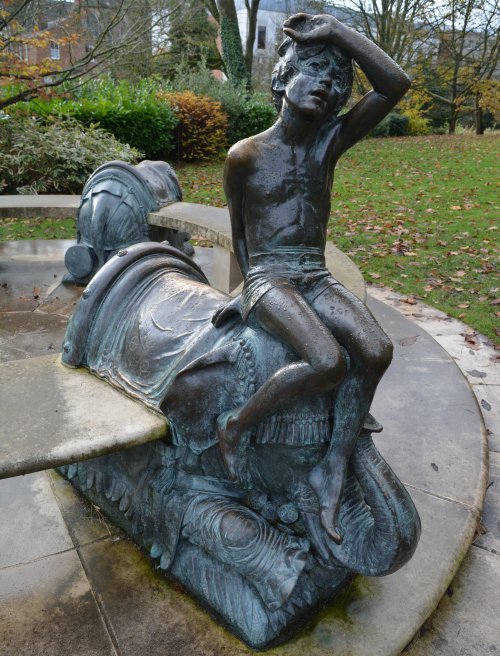
The elephant circle seat sculpture of three elephants and a boy seated on one of them, Jephson Gardens, Leamington Spa
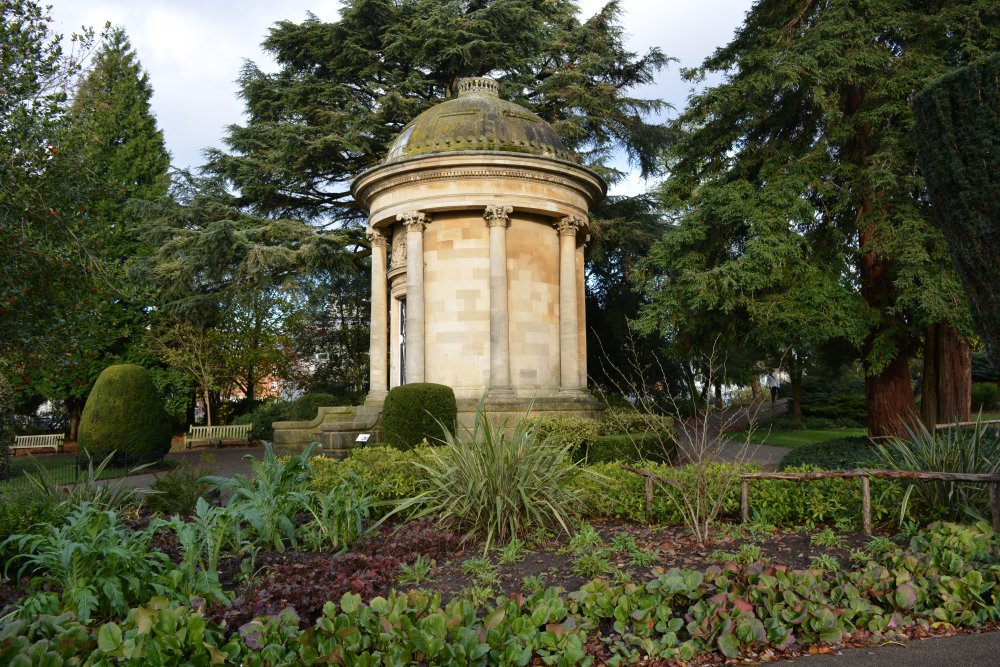
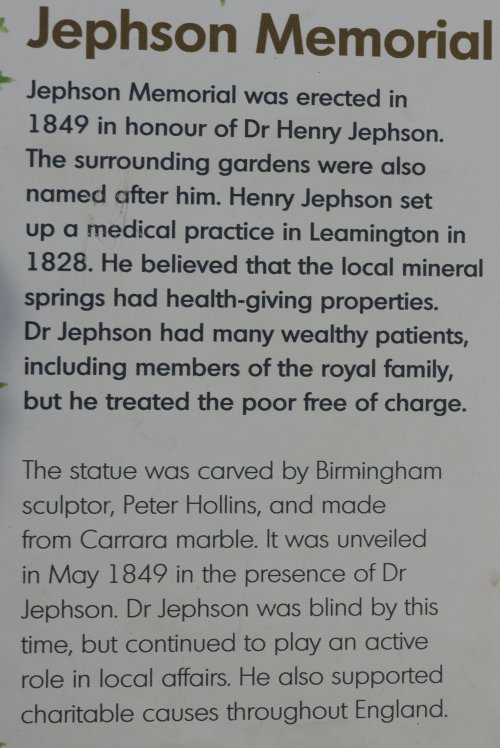
The Jephson memorial set in the Jephson Gardens, Leamington Spa
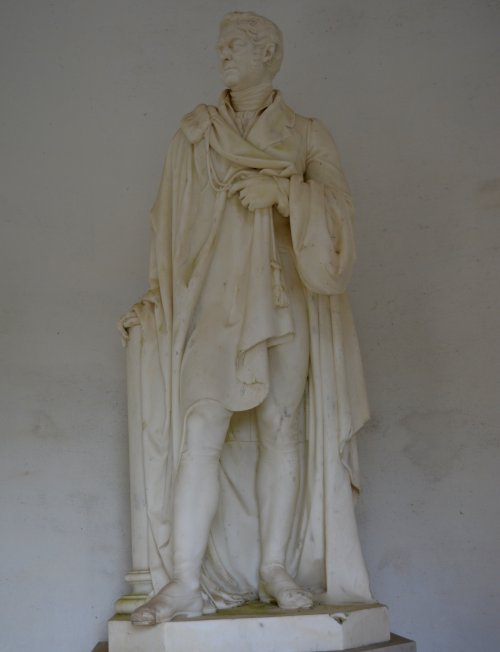
The entrance to the Jephson Memorial and the statue of Dr Henry Jephson inside it.
The entrance to 'The Glasshouse' in the Jephson Gardens, Leamington Spa
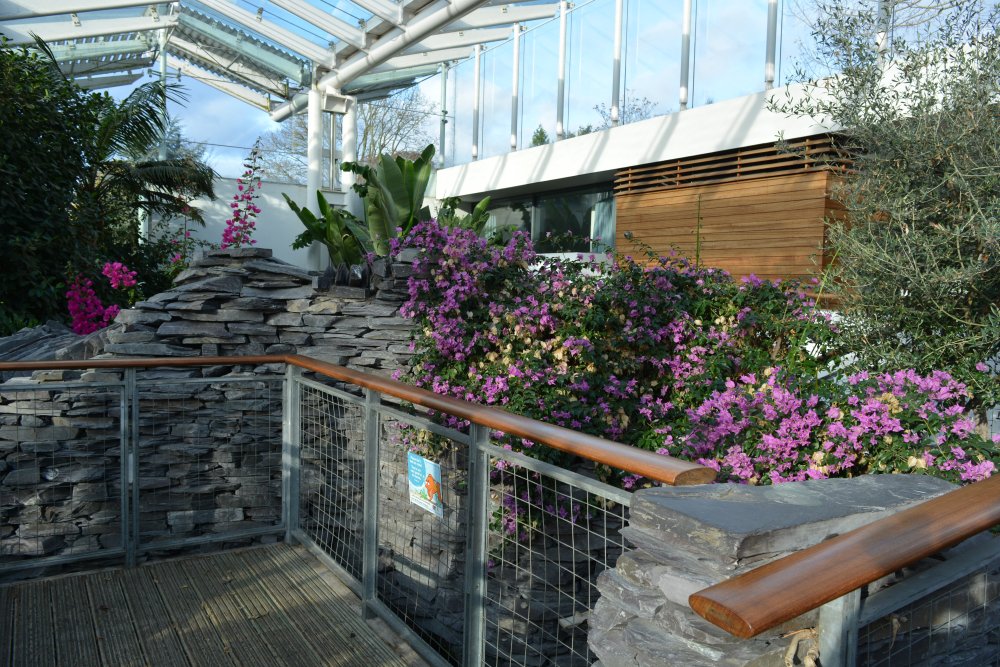
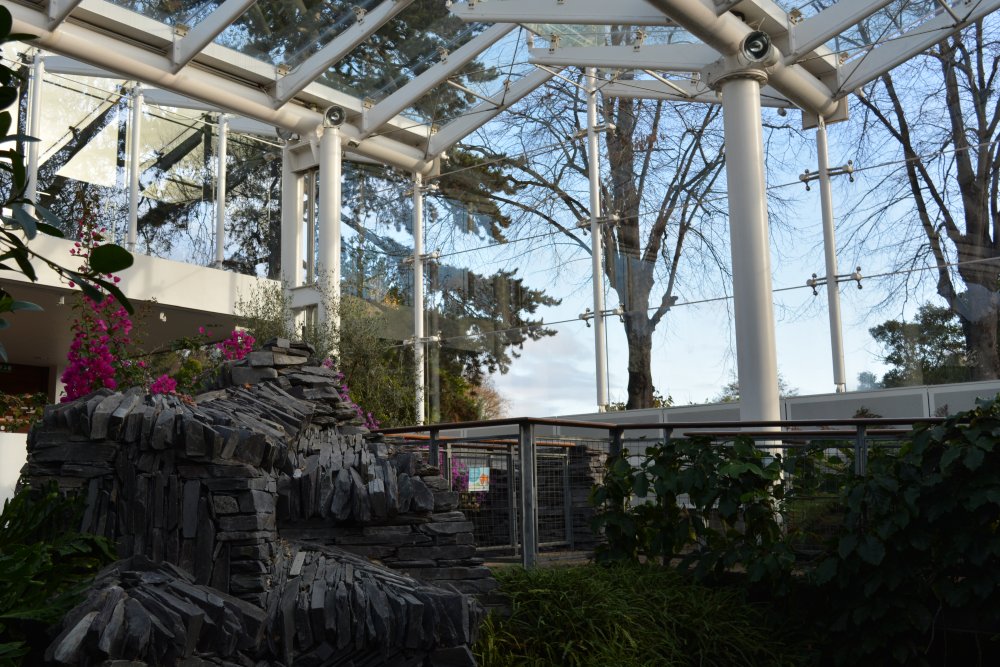
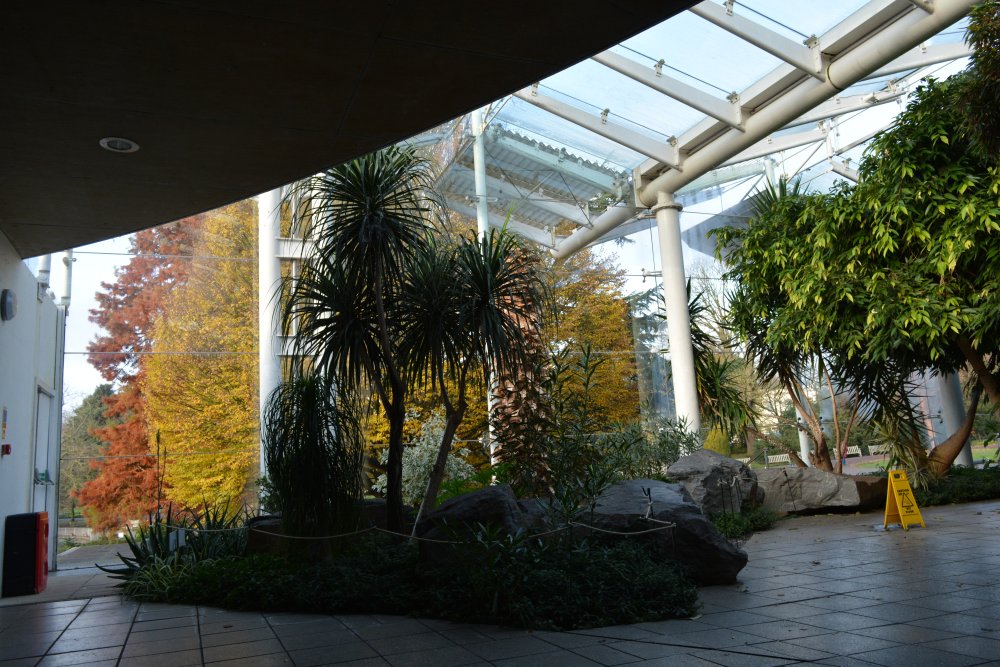
The interior of the Glasshouse, filled with tropical plants and stones.
There is an interesting collection of plants in the Glasshouse and evolutionary trail is explained.
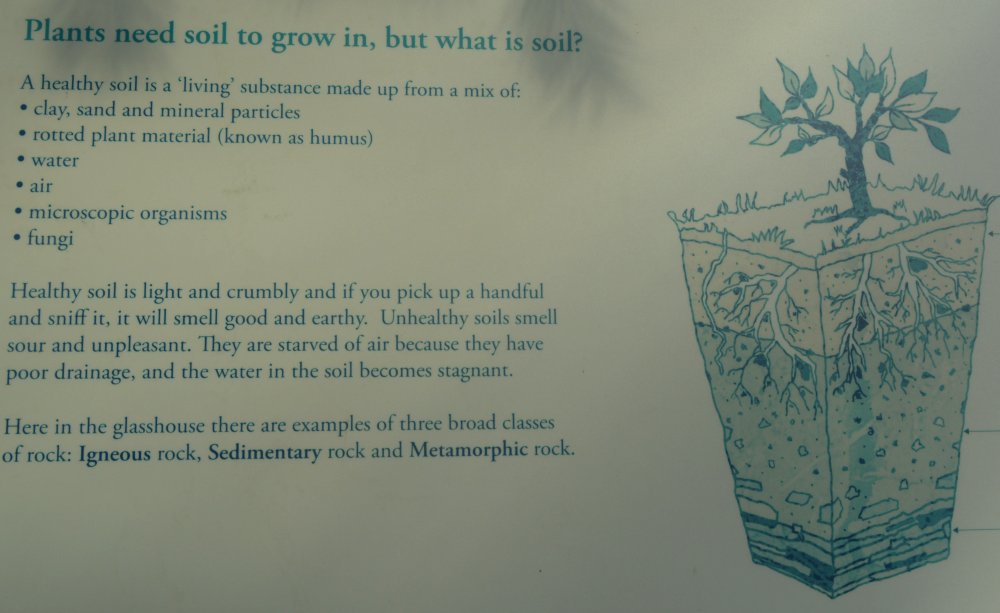
Find out what makes a good quality soil in the Glasshouse.
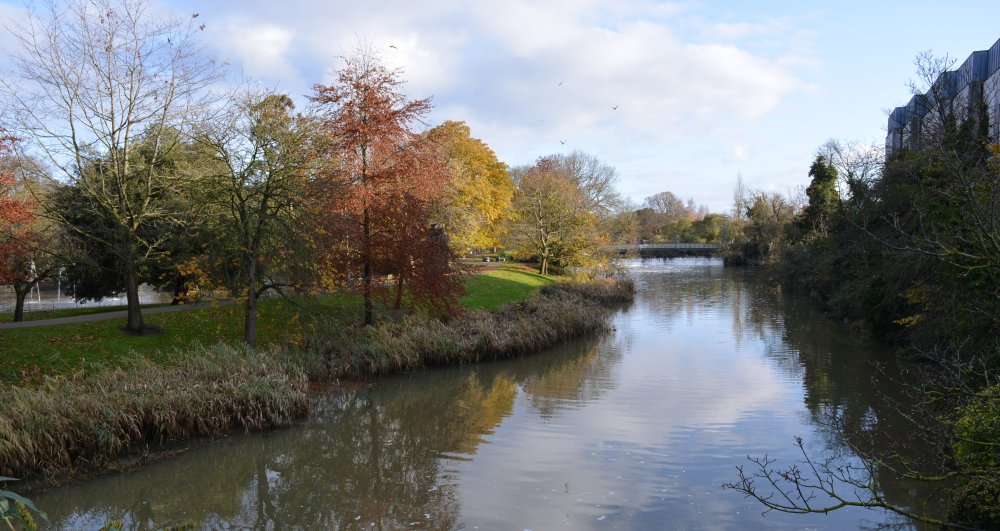
The River Leam passes by the Jephson Gardens in Leamington Spa.
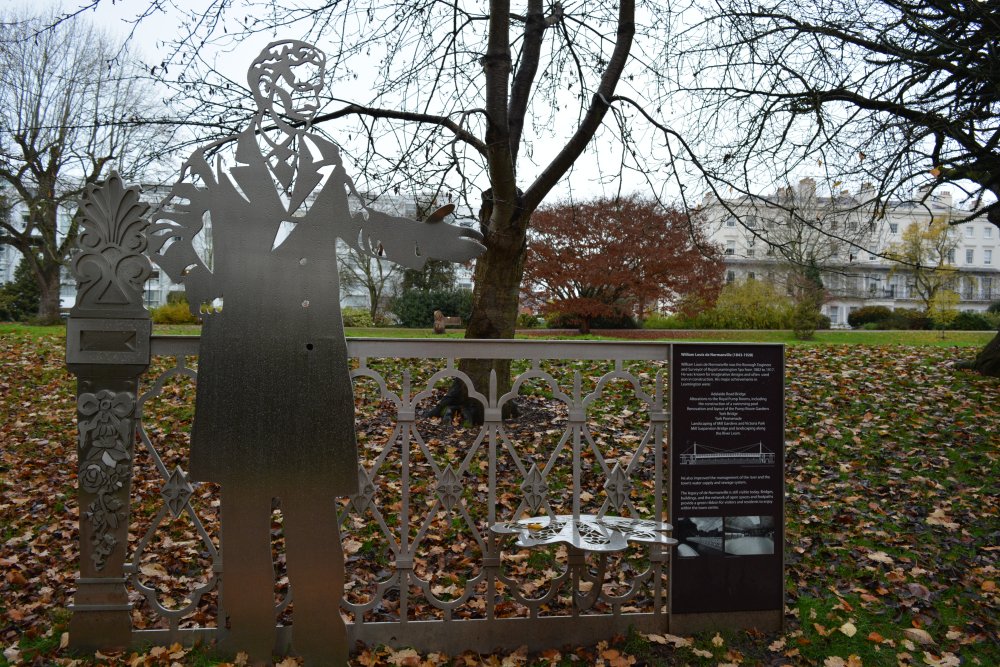
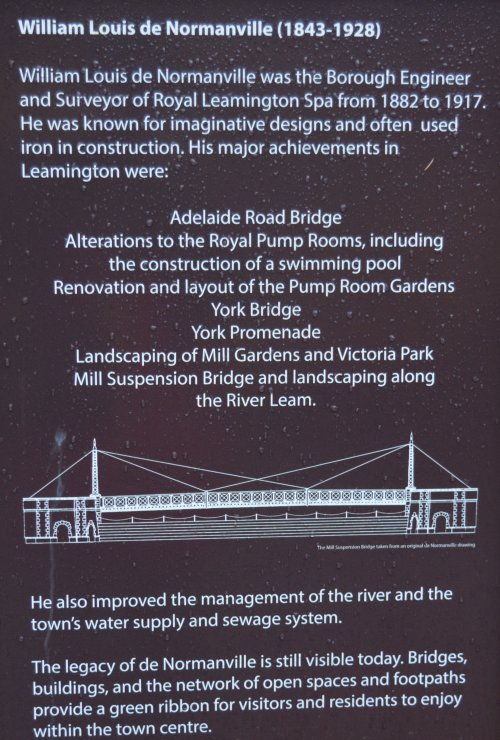
The memorial steel sculpture to William Louis de Normanville (1843-1928), a brilliant engineer with many of his works in Royal Leamington Spa itself, including the Mill Suspension Bridge, weir and hydroelectric generator (see below).
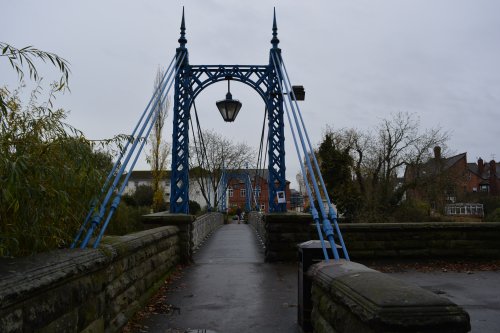
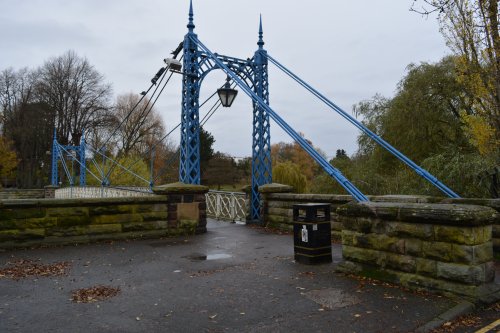
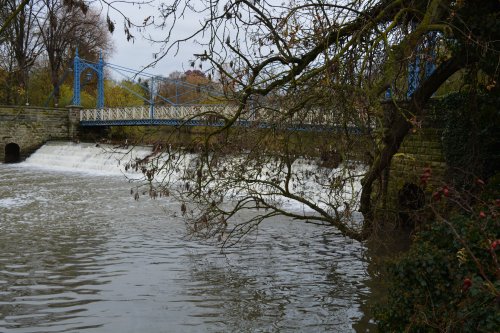
The Mill suspension bridge and weir, which backed up water to drive a dynamo - hydroelectric power scheme.
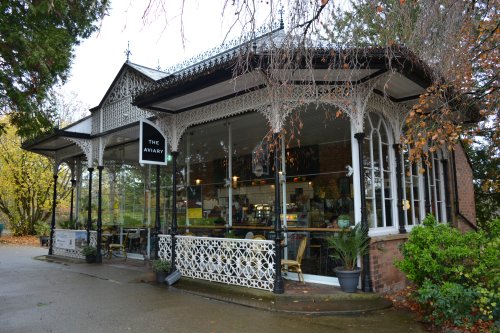
The Aviary Cafe in Jephson Gardens, Leamington Spa (f) Royal Pump Room Baths Museum, Art Gallery, Library and Cafe, Leamington Spa
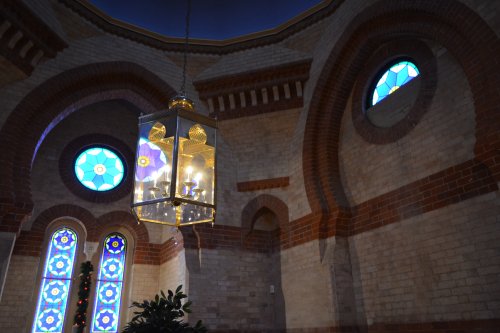
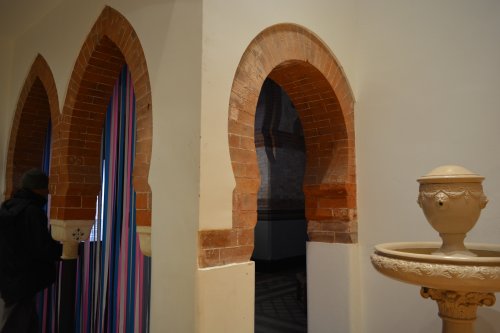
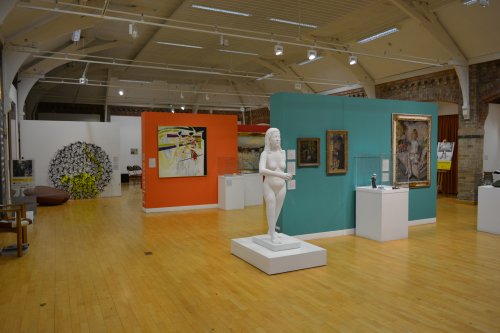
The Royal Pump Room Baths which now houses the library, museum, cafe and art gallery.
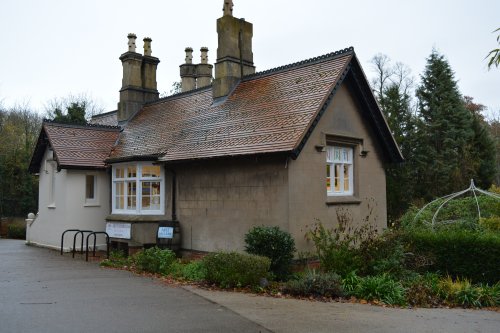
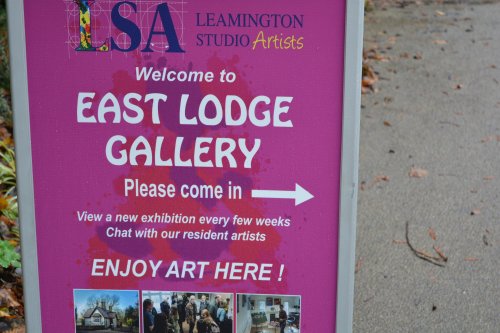
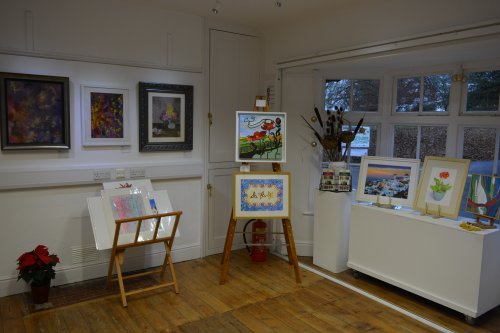
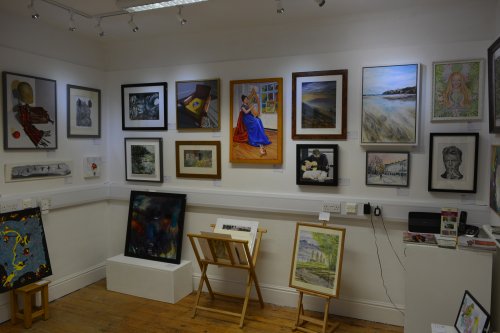
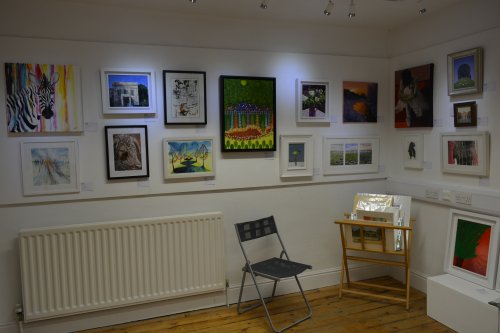
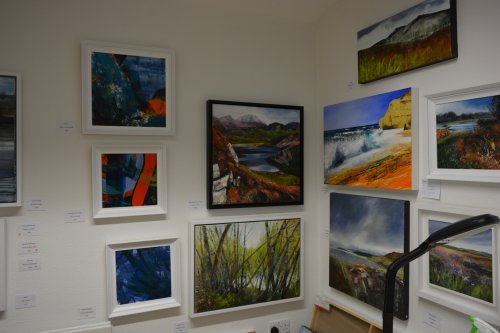
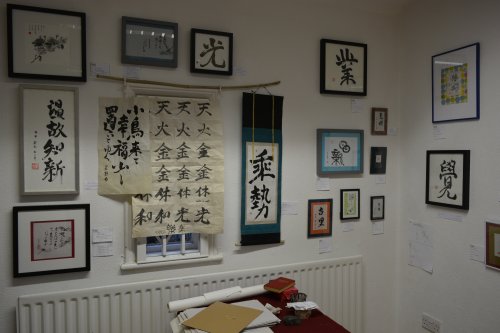
(g) The East Lodge Art Gallery
* (h) Other miscellaneous buildings including the Art Deco Railway Station
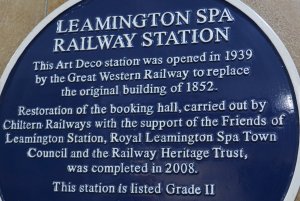
The Grade II listed Art Deco Leamington Spa Railway Station opened in 1939 by the Great Western Railway to replace the original building of 1852.
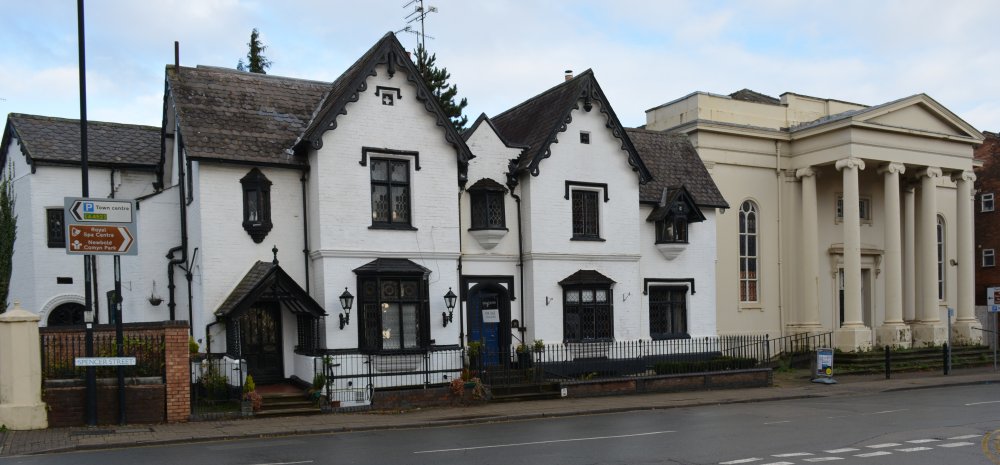
Buildings on Spencer Street. On the left 1 and 3 Spencer Street, Grade II listed buildings, a pair of semi-detached villas dating from 1842. on the right the former Congregational Church, Leamington Spa, this 'disused' chapel may be developed into a theatre? A history of Leamington Spa Royal Leamington Spa is one of the finest
Regency spa towns in England, shaped by its rise as a
fashionable health resort in the early 19th century and distinguished
today by neoclassical terraces, stucco façades, colonnades,
crescents, and civic monuments. 1. Origins & Historical DevelopmentEarly settlement (pre‑18th century)Leamington began as the small village of Leamington Priors, centred around All Saints Church. The earliest surviving buildings include 15–17 Church Street, timber‑framed houses dating to around 1700. Rise of the Spa Town (late 18th – early 19th century)The discovery and promotion of medicinal
saline springs transformed the village into a fashionable spa
resort. Regency & Victorian Expansion (1820s–1880s)Leamington grew rapidly, becoming one of the
fastest‑expanding towns in England.
By the mid‑19th century, Leamington was known for its Palladian‑influenced neoclassical architecture, symmetry, and white façades. 20th centuryThe spa declined after WWI, but the town retained its
architectural heritage.
2. Architectural Character of Leamington SpaLeamington is celebrated for its Georgian–Regency and neoclassical architecture, heavily influenced by Palladianism:
This gives the town a unified, elegant appearance, especially along The Parade. 3. Notable Buildings & Architectural HighlightsA. Royal Pump Room and Baths (1813–14)The architectural and historical centrepiece of the
spa.
B. Town Hall (1882–84)A richly ornamented civic building in
Alderman’s Renaissance style, blending Tudor and French Baroque
elements.
C. Lansdowne Crescent (begun 1834)A sweeping classical terrace of three‑storey houses with:
D. Lansdowne CircusA harmonious group of identical Regency semi‑detached houses and villas, all with cast‑iron porches and verandas. E. The Parthenon (c.1821) – Royal Assembly Rooms / Music HallDesigned by theatre architect Samuel Beazley,
originally a grand entertainment venue.
F. Bath Assembly RoomsA significant red‑brick building contrasting with the town’s usual stucco palette. G. Manor House HotelAnother important red‑brick listed building, contributing to the town’s architectural diversity. H. Leamington College (now Binswood Hall)A major Victorian Gothic/collegiate structure, now converted to residential use. I. Art Deco Railway Station (1930s)A rare example of interwar Art Deco railway architecture in the Midlands. J. Lillington Church of Our Lady & Lillington Library (1963)Modernist buildings by Henry Fedeski, both listed for their architectural significance. 4. Parks, Gardens & Urban LandscapePump Room GardensContains:
Jephson GardensFeatures:
These gardens were central to the spa experience and remain key to the town’s character. 🧭 5. Why Leamington Spa Matters
Here is a
beautifully structured, heritage‑rich walking route
through Royal Leamington Spa, designed to take
you past the town’s finest Regency terraces, crescents, civic
buildings, gardens, and historic landmarks. Royal Leamington Spa: A Full Architectural Walking RouteDistance: 2.5
miles This route forms a loop, beginning and ending at the Royal Pump Rooms, the symbolic heart of the spa. 1. Start: Royal Pump Rooms & Baths (1813–14)Why start here:
This is the building that made Leamington a spa town.
Historical note: Walk: Exit onto the Pump Room Gardens. 2. Pump Room Gardens → Victorian BandstandA classic Victorian pleasure garden.
This space was central to the spa experience: promenading, concerts, and genteel leisure. Walk: Cross the gardens toward the river. 3. Jephson Gardens (mid‑19th century)One of the finest ornamental parks in the Midlands.
Historical note: Walk: Exit onto Newbold Terrace. 4. Newbold Terrace → Victoria TerraceA line of elegant Regency houses overlooking the
gardens.
Walk: Turn toward the river and cross to the Parade. 5. The Parade (Regency boulevard)This is Leamington’s grand spine,
laid out in the 1820s–30s.
Historical note: Walk: Head north along the Parade. 6. Town Hall (1882–84)A richly decorated Victorian civic building.
Historical note: Walk: Continue north to Clarendon Avenue. 7. Clarendon Square & Surrounding TerracesA superb example of Regency town planning.
This area shows the town’s rapid expansion during the spa boom. Walk: Turn west toward Lansdowne Crescent. 8. Lansdowne Crescent (begun 1834)One of Leamington’s architectural jewels.
Historical note: Walk: Continue to Lansdowne Circus. 9. Lansdowne CircusA harmonious circular development of Regency villas.
Historical note: Walk: Head south along Warwick Street. 10. The Parthenon (Royal Assembly Rooms, c.1821)Designed by Samuel Beazley.
Historical note: Walk: Continue toward the Pump Rooms to complete the loop. Finish: Return to the Pump RoomsYou’ve now completed a full architectural circuit of Regency and Victorian Leamington. Optional ExtensionsIf you want to go deeper: A. Binswood Hall (former Leamington College)A grand Victorian Gothic complex. B. Leamington Spa Railway Station (1930s Art Deco)One of the Midlands’ best interwar stations. C. Lillington Modernist Buildings (1963)Henry Fedeski's church and library — striking mid‑century architecture. Here is a
heritage‑themed walking route through Royal Leamington
Spa — not just a list of buildings, but a story of the
spa town, told through the places where its history is still
visible in the streetscape. Royal Leamington Spa: A Heritage Walking RouteTheme: How a
small medieval village became one of England’s great Regency spa resorts This route follows the chronology of the spa story — from the discovery of the waters, to the height of Regency fashion, to Victorian civic ambition. 1. Royal Pump Rooms & Baths (1813–14)Heritage significance: What to notice:
Heritage insight: Walk: Step into the Pump Room Gardens — the town’s outdoor drawing room. 2. Pump Room Gardens (opened 1814)Heritage significance: What to notice:
Heritage insight: Walk: Cross the gardens toward the river and enter Jephson Gardens. 3. Jephson Gardens (mid‑19th century)Heritage significance: What to notice:
Heritage insight: Walk: Exit onto Newbold Terrace. 4. Newbold Terrace → Victoria TerraceHeritage significance: What to notice:
Heritage insight: Walk: Turn toward the river and cross to the Parade. 5. The Parade (1820s–30s)Heritage significance: What to notice:
Heritage insight: Walk: Continue north to the Town Hall. 6. Town Hall (1882–84)Heritage significance: What to notice:
Heritage insight: Walk: Continue north to Clarendon Square. 7. Clarendon Square & Surrounding TerracesHeritage significance: What to notice:
Heritage insight: Walk: Turn west toward Lansdowne Crescent. 8. Lansdowne Crescent (begun 1834)Heritage significance: What to notice:
Heritage insight: Walk: Continue to Lansdowne Circus. 9. Lansdowne CircusHeritage significance: What to notice:
Heritage insight: Walk: Head south along Warwick Street. 10. The Parthenon (Royal Assembly Rooms, c.1821)Heritage significance: What to notice:
Heritage insight: Walk: Return to the Pump Rooms to complete the loop. Finish: Royal Pump RoomsYou’ve now walked the heritage story of Leamington Spa — from healing waters to Regency elegance to Victorian civic pride. ⭐ Optional Heritage ExtensionsIf you want to deepen the story: A. Binswood Hall (Victorian Gothic)Tells the story of education and philanthropy. B. Leamington Railway Station (Art Deco)Reflects interwar modernity and travel culture. C. Lillington Modernist Buildings (1963)Show the post‑war reinvention of civic architecture. Key words: Leamington Spa, Parade, Regent Hotel Travelodge, All Saints Anglican Church, St Peter's RC Church, Royal Pump Room Baths, library, cafe, museum, art gallery, Pump Room Gardens, Old Library Jephson Gardens, Hothouse (tropical house), Jephson Memorial, Aviary Cafe, Mill Suspension Bridge and weir, River Leam, Bill's Breakfast Cafe West Midlands images photos pictures © Phil Brown photographs docspics * Tourist information, Walks, Holidays in English West Midlands excursions tours England, Top tourist attractions, interesting places to visit, things to do in English West Midlands, multi-cultural friendly people, luxury hotels, B&B, self-catering cottages & flats, hostels cheap bargains to suit all budgets in English West Midlands, restaurants, dining out, eating out, walking holidays, touring coach tours, historic industrial revolution towns & Cities in English West Midlands, museums, art galleries in English West Midlands, good local transport, pubs, cafes, weekend breaks in English West Midlands docspics images photos of Leamington Spa, England © Phil Brown Tourist information on Leamington Spa, England, Walks near Leamington Spa, England, Having holidays near Leamington Spa, England, England, Top tourist attractions near Leamington Spa, England, luxury hotels near Leamington Spa, England, self-catering holiday cottages near Leamington Spa, England, airbnb air B and B near Leamington Spa, England, quality B&B near Leamington Spa, England, friendly pubs near Leamington Spa, England, cafes near Leamington Spa, England, eating out in fine restaurants near Leamington Spa, England, weekend breaks near Leamington Spa, England, wining & dining weekends near Leamington Spa, England, walking holidays around Leamington Spa, England, touring coach tours including Leamington Spa, England, pretty villages near Leamington Spa, England, historic towns and pretty village near Leamington Spa, England, museums near Leamington Spa, England, local art galleries near Leamington Spa, England, guided walks from Leamington Spa, England, excellent fell hill walking around Leamington Spa, England, rambling near Leamington Spa, England, exploring the landscape near Leamington Spa, England, good places to eat near Leamington Spa, England, tourist attractions near Leamington Spa, England, tourist information for places near Leamington Spa, England, good places for wining and dining near Leamington Spa, England, good walks near Leamington Spa, England, properties for sale near Leamington Spa, England, renting a flat or house near Leamington Spa, England, property for rent near Leamington Spa, England, houses for sale near Leamington Spa, England, lettings near Leamington Spa, England, places to rent near Leamington Spa, England, holiday cottage accommodation near Leamington Spa, England docspics images photos of Leamington Spa, England northern England © Phil Brown Tourist information on Leamington Spa, England, Things to do in Leamington Spa, England, What to see in Leamington Spa, England, guided walks in Leamington Spa, England, weekend breaks in Leamington Spa, England holidays in Leamington Spa, England, Top tourist attractions in Leamington Spa, England, luxury hotels in Leamington Spa, England, self-catering holiday cottages in Leamington Spa, England, airbnb air B and B in Leamington Spa, England, B&B in Leamington Spa, England, friendly pubs in Leamington Spa, England, cafes in Leamington Spa, England, eating out in fine restaurants in Leamington Spa, England, bargain holiday breaks in Leamington Spa, England, wining & dining weekends in Leamington Spa, England, touring coach tours visiting Leamington Spa, England, pretty areas in Leamington Spa, England, historic buildings in Leamington Spa, England, visiting museums in Leamington Spa, England, local art galleries in Leamington Spa, England, guided walks in Leamington Spa, England, history of Leamington Spa, England, architecture of Leamington Spa, England, trains to Leamington Spa, England, historic houses in Leamington Spa, England, historic churches in Leamington Spa, England, information centre in Leamington Spa, England, heritage places in Leamington Spa, England, good places to eat in Leamington Spa, England, top tourist attractions in Leamington Spa, England, tourist information for things to do and see in Leamington Spa, England, good places to eat out in Leamington Spa, England, good places to walk to in Leamington Spa, England, tourist attractions properties for sale in Leamington Spa, England, renting a flat of house in Leamington Spa, England, property for rent in Leamington Spa, England, houses for sale in Leamington Spa, England, lettings in Leamington Spa, England, places to rent in Leamington Spa, England, holiday cottage accommodation in Leamington Spa, England |



















 Enter place, walk, mountain, hill, village, town. city, feature, historic site or
building, museum, anything of interest in the West Midlands!
Enter place, walk, mountain, hill, village, town. city, feature, historic site or
building, museum, anything of interest in the West Midlands!
|


