|
SCENES
from IRELAND
Notes on the town of Dungarvan *
Dungarvan Tourism Official
website
Abbeyside
Church *
Buildings of interest *
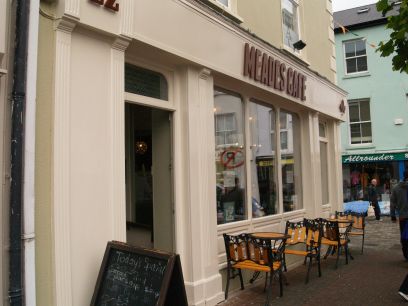
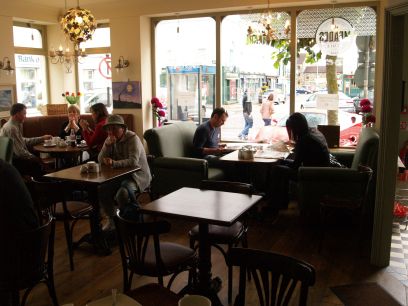
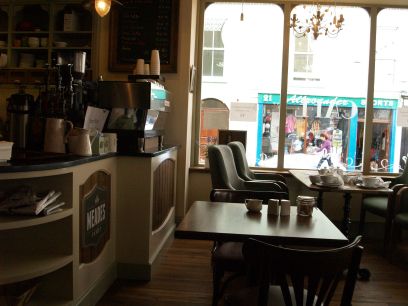
Cafes in/near
The Square *
Castle *
Museum *
Quay and marina *
Parking
Email:
chem55555@hotmail.com
Many images of the busy little town of Dungarvan. Dungarvan is a coastal town and harbour on the
south coast of Co. Waterford. Dungarvan's Irish name means "Garbhann's fort",
from Saint Garbhann who founded a church there in the seventh century. Dungarvan is located at the mouth of the Colligan
River [Author and
photographer
*
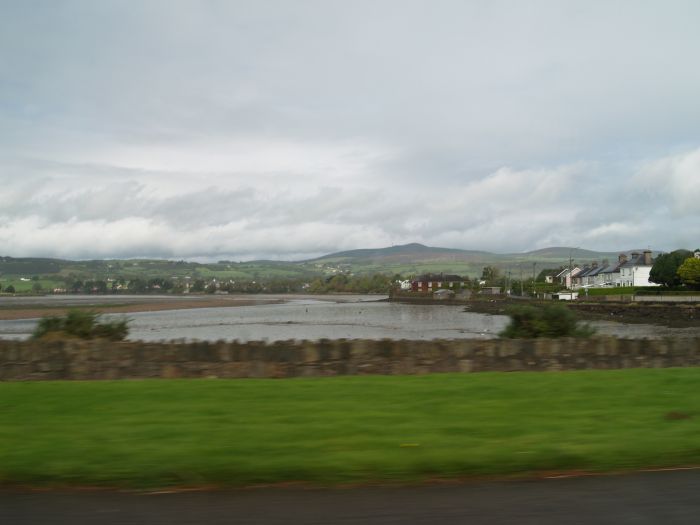
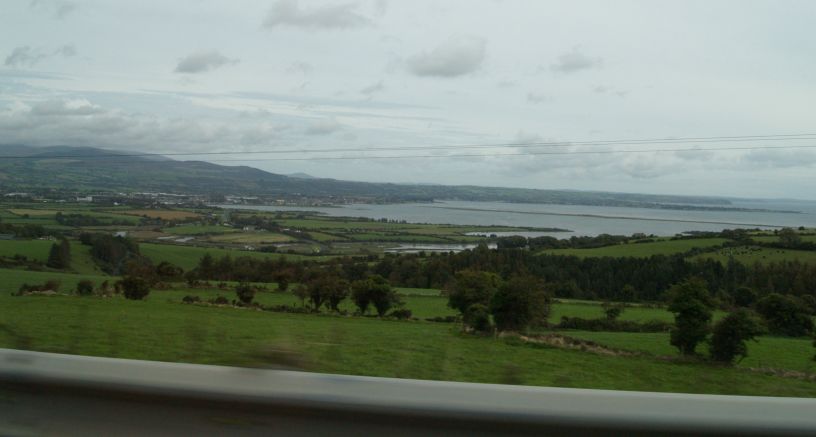
Dungarvan Bay, Colligan River estuary and Dungarvan Harbour
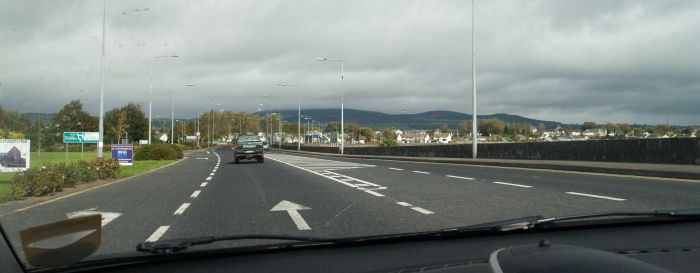
Approaching Dungarvan from the west on the N25 road.
Dungarvan Bay Parking in Dungarvan
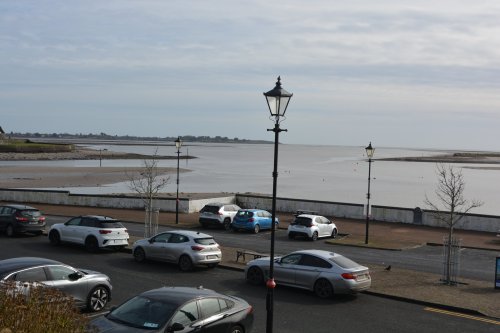
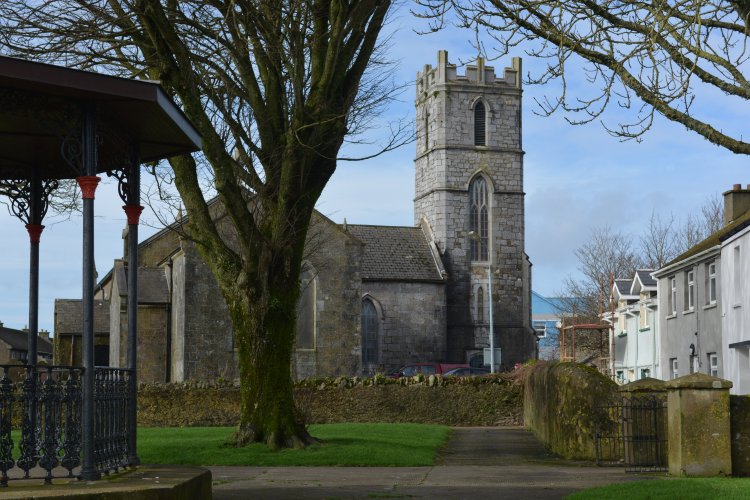
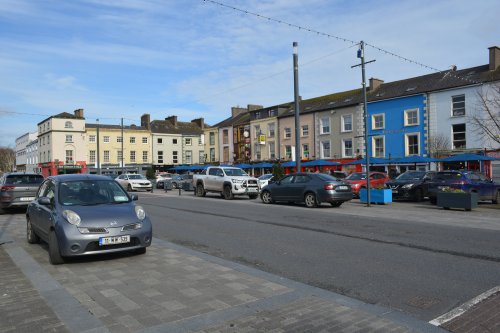
We found a good place to park in Dungarvan overlooking the estuary and below the St Mary's Church of Ireland, Dungarvan There is parking in 'The Square', Dungarvan
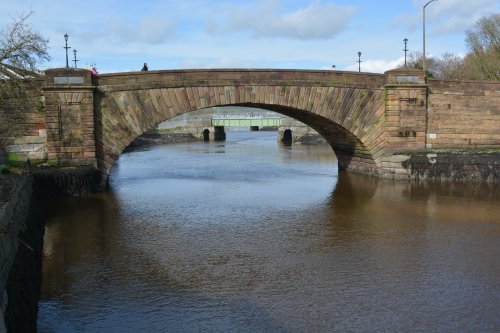
Dungarvan Marina and the main road bridge (the Devonshire Bridge) into the town from the east. Beyond the road bridge you can see the remains of the railway bridge that carried the line down from Waterford into Dungarvan - this is now the 'Greenway' for cyclists and walkers.
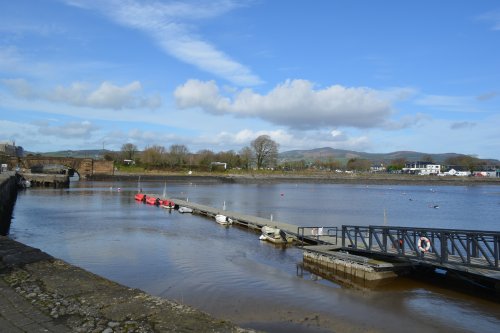
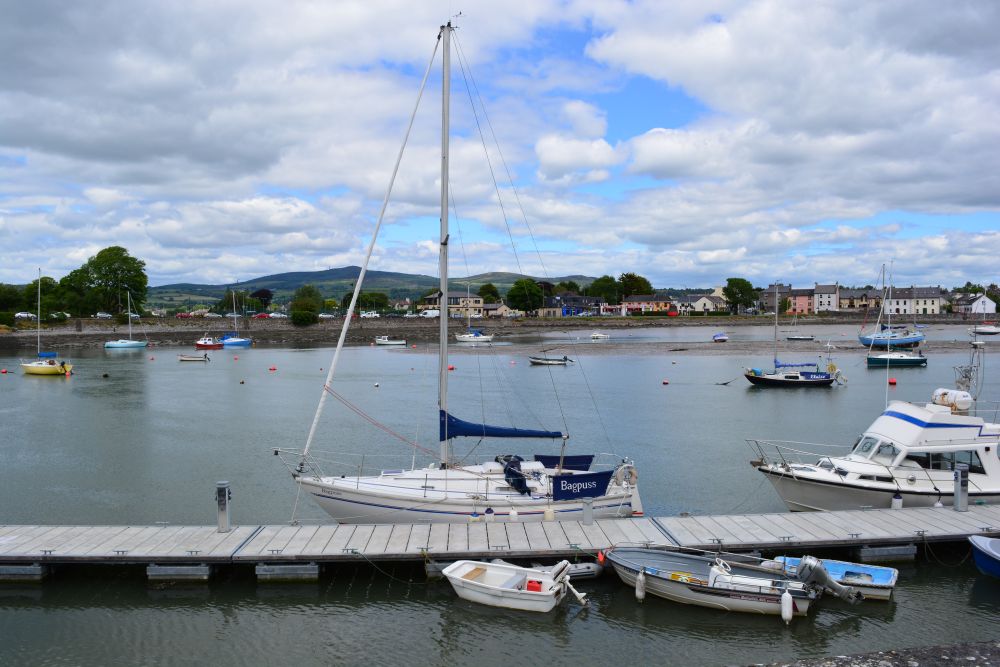
Dungarvan marina and harbour
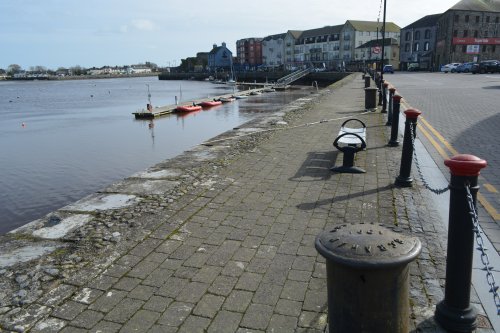
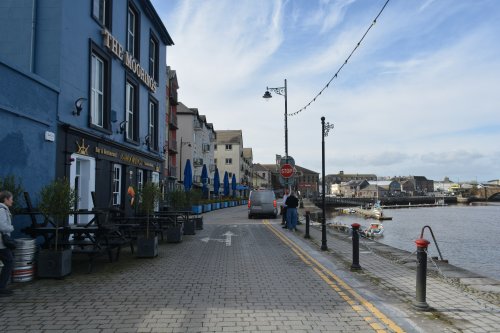
The Quay and Davitt's Quay, Dungarvan
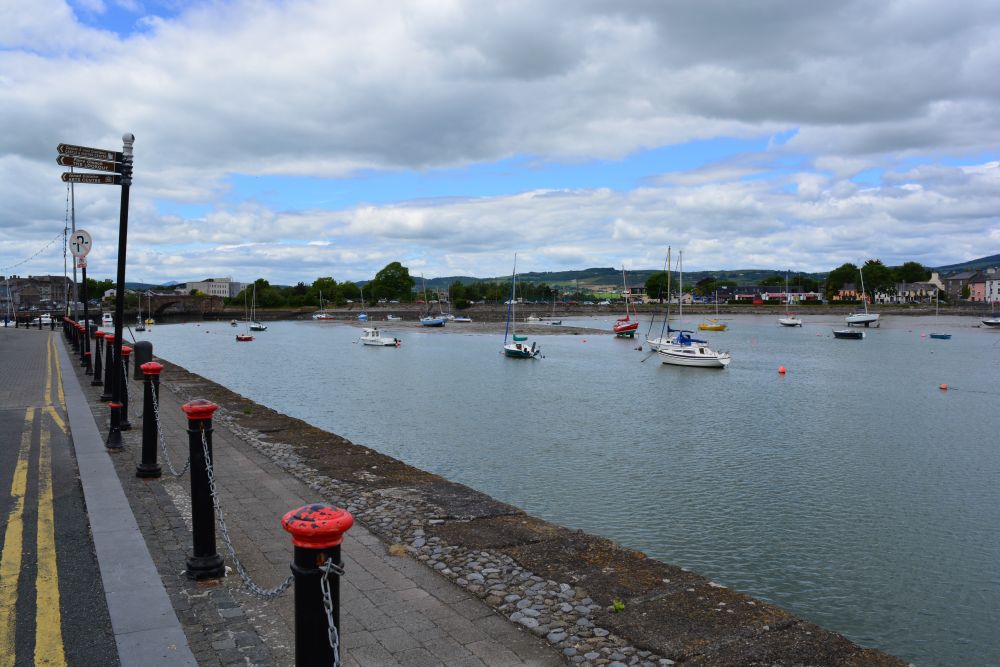
The estuary of the River Colligan at Dungarvan beyond the quayside.
The Quay and Davitt's Quay on the River Colligan in Dungarvan
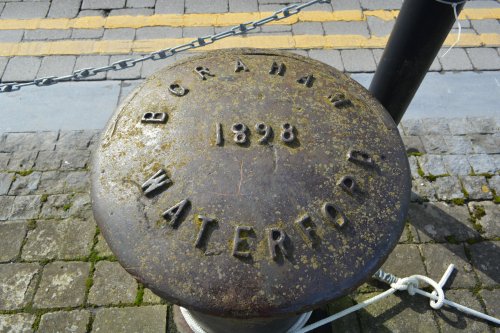
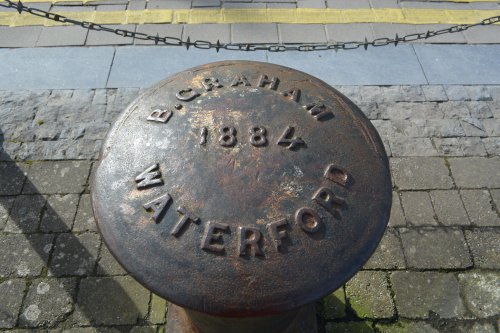
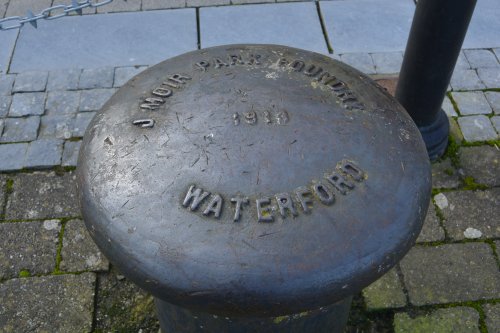
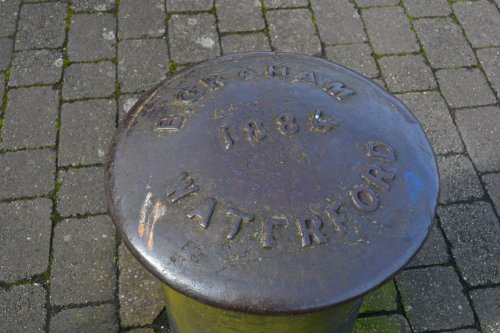
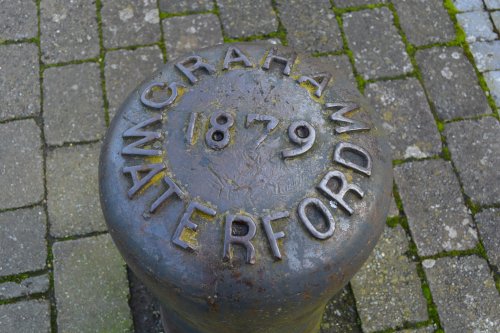
The metal mooring bollards on the quayside of Dungarvan, which were all manufactured in Waterford.
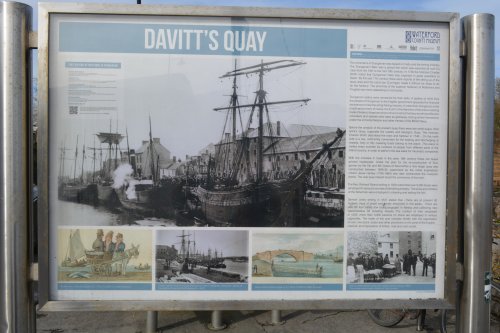
Davitt’s Quay in Dungarvan has a layered history stretching from the medieval origins of the town’s harbour to its 19th‑century redevelopment and even into the 20th century with unexpected wartime connections. The quay you see today is largely an early‑19th‑century structure, but excavations show that its story begins centuries earlier. Early origins: medieval harbour activity (12th–13th century)Archaeological monitoring in 1999 revealed that beneath the present quay surface lies evidence of much earlier waterfront use.
These findings show that Davitt’s Quay occupies a waterfront that has been in continuous maritime use since the Anglo‑Norman foundation of the town. The 17th–18th century quay and town defencesFurther excavations uncovered a late‑17th‑century town wall, 1.3 m thick, built close to the high‑water mark and overlooking the estuary.
This phase marks Dungarvan’s transition from a medieval harbour to a more structured commercial port. The 19th‑century quay: the structure we see todayThe present Davitt’s Quay dates from c.1810–1830, built in high‑quality coursed squared limestone with a gentle crescent plan and a jetty to the north.
This redevelopment corresponds with wider improvements in Irish coastal infrastructure during the early 19th century. Connection to Dungarvan CastleDavitt’s Quay is inseparable from the history of Dungarvan Castle, which overlooks it.
A 20th‑century layer: the World War II mineA striking modern feature on Davitt’s Quay is the deactivated WWII sea mine displayed on the jetty.
This gives the quay an unexpected but poignant link to global conflict. Summary timeline
The Moorings pub on Davitt's Quay in Dungarvan.
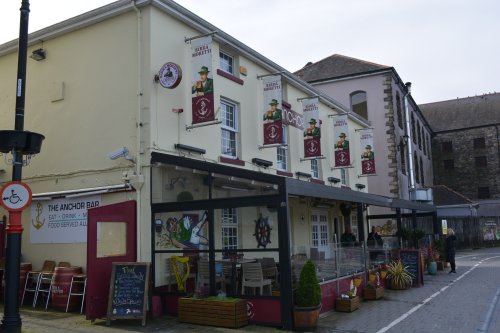
The Anchor Bar on Davitt's Quay, Dungarvan Dungarvan Castle
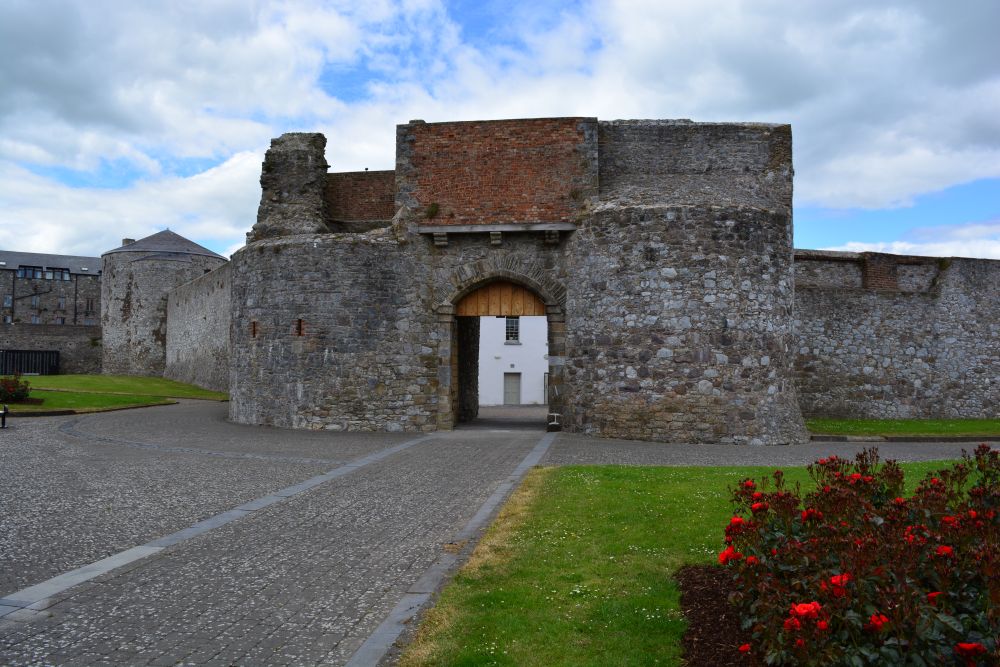
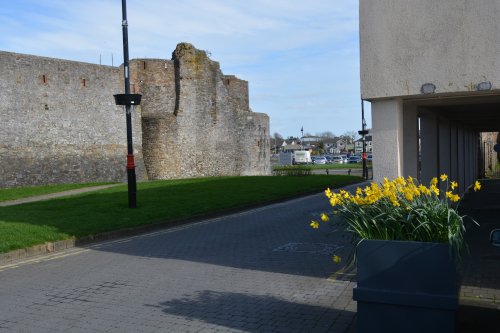
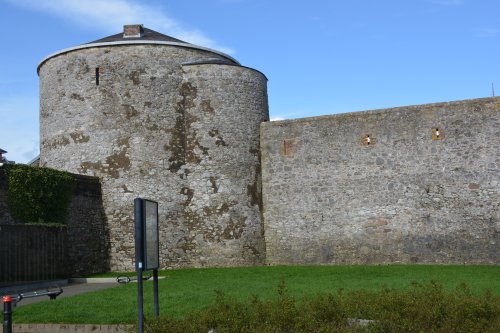
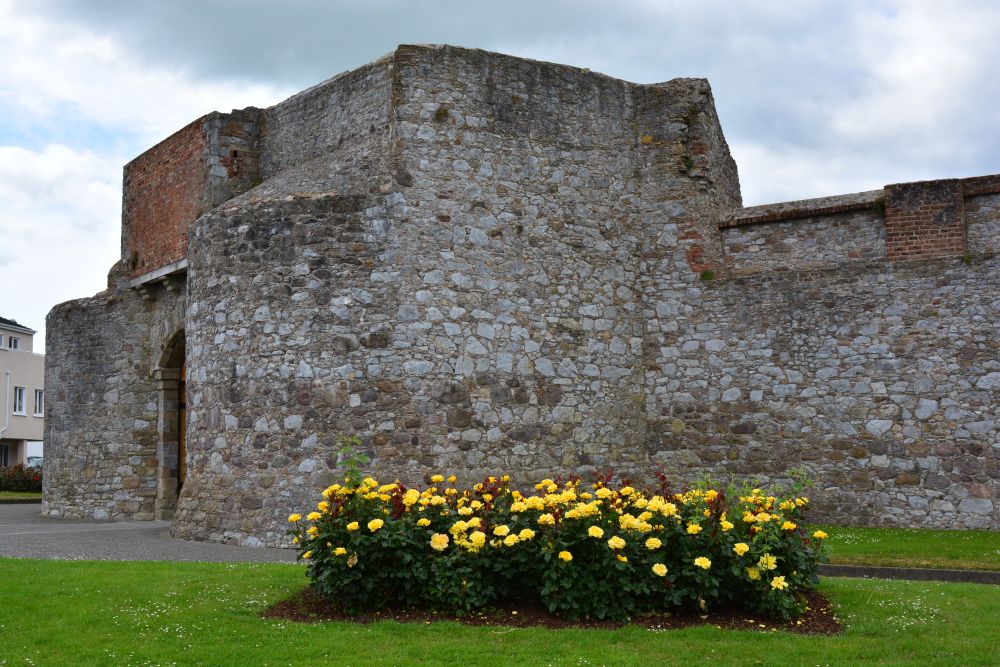
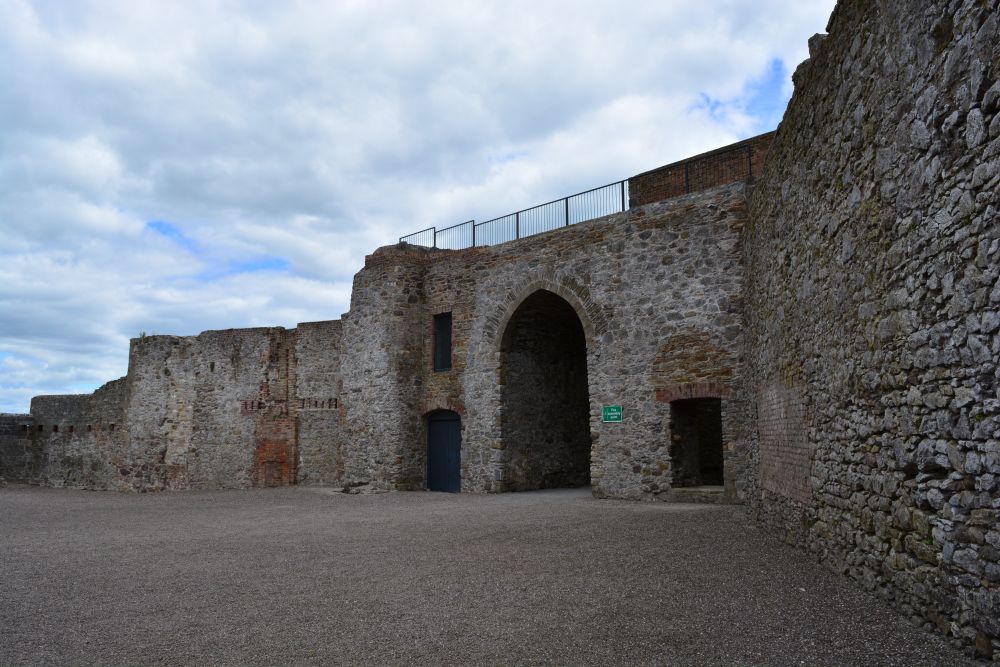
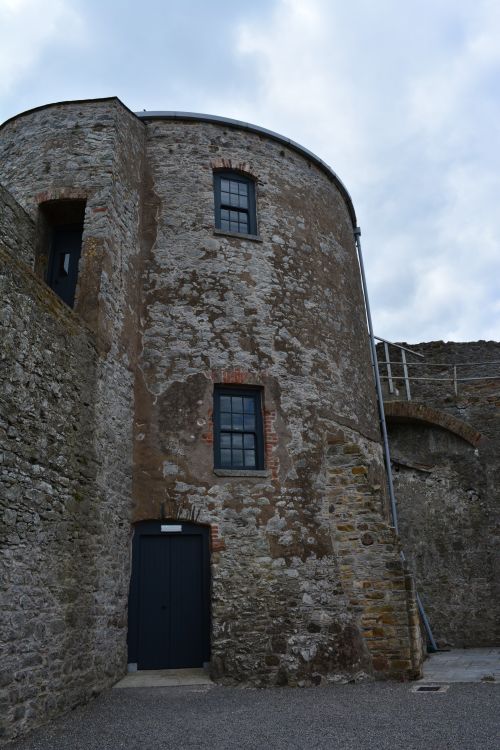
The entrance to Dungarvan Castle, commissioned by the English King John late 12th or early 13th century.
Dungarvan
Castle—also known as King John’s Castle—is one
of the most historically layered Anglo‑Norman fortifications in
south‑east Ireland. Its story spans more than 800 years,
from the first wave of Norman settlement to its modern role as a
restored heritage site. 1. Foundation and early Anglo‑Norman period (1185–c.1230)The castle was founded in 1185 by Prince John during the early Anglo‑Norman consolidation of Waterford and the Déise region. It occupies a strategic position at the mouth of the Colligan River, controlling access between east and west Waterford. Key early features:
2. Expansion and major works (13th century)The 13th century saw extensive building campaigns under royal administration:
This period establishes the castle as a significant administrative centre for the Anglo‑Norman lordship of Dungarvan. 3. Later medieval and Tudor era (14th–16th centuries)The castle continued to shift between powerful families and the Crown:
The castle’s strategic value meant it was repeatedly contested. 4. Seizure, warfare, and Cromwell (17th century)Dungarvan Castle changed hands four times during the
Confederate Wars (1640s) before being captured by
Oliver Cromwell in 1649.
5. 18th‑century barracks and military useInside the curtain wall stands a two‑storey military barracks built in the early 18th century.
6. Civil War destruction and Garda era (1922–1987)During the Irish Civil War, the IRA seized the
barracks and burned the castle before withdrawing in
August 1922.
7. Archaeology and restoration (late 20th century)Excavations in the 1990s revealed:
The OPW restored the castle after 1987, adding exhibitions, interpretation, and visitor facilities. 8. Architecture: what makes Dungarvan Castle unique?
These layers make it an exceptional example of a continuously adapted defensive site. 9. Summary timeline
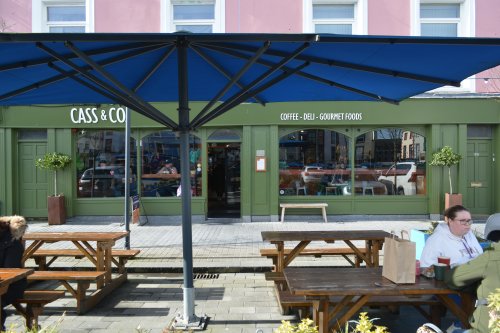
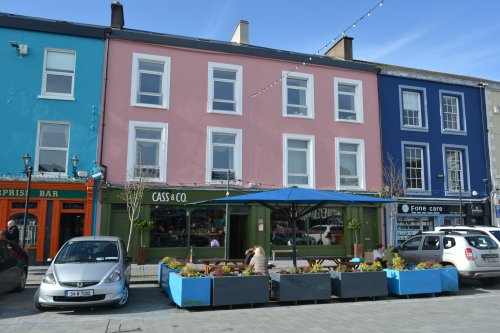
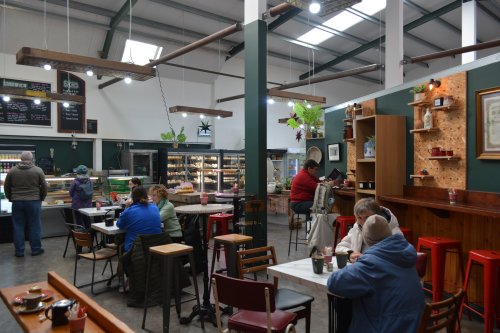
The Grattan Square area and Cafes
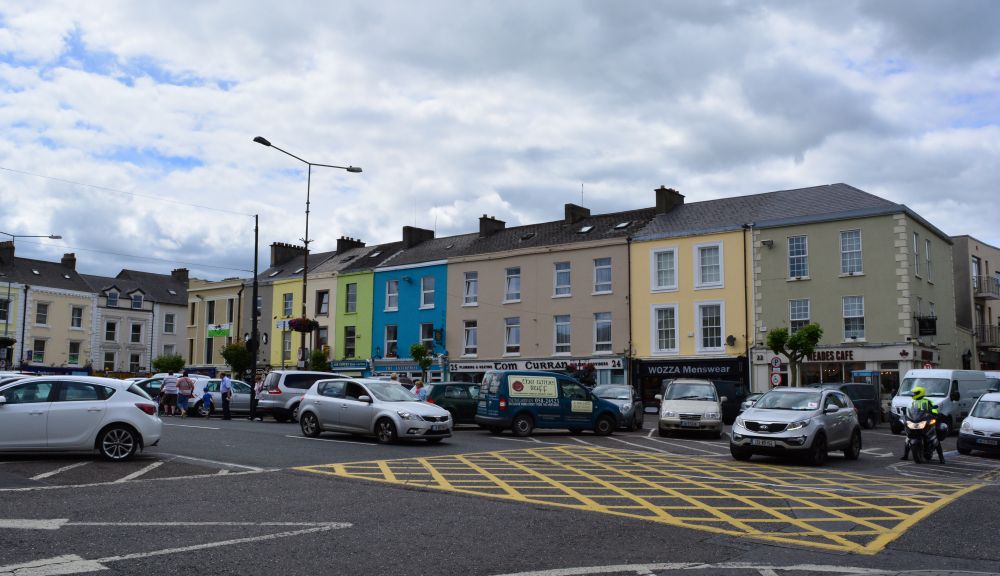
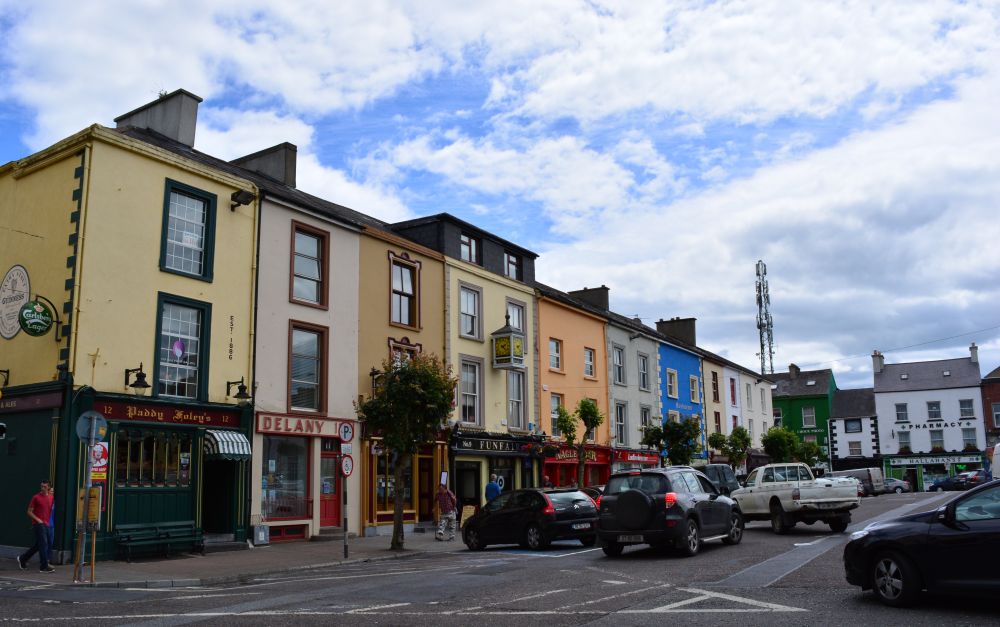
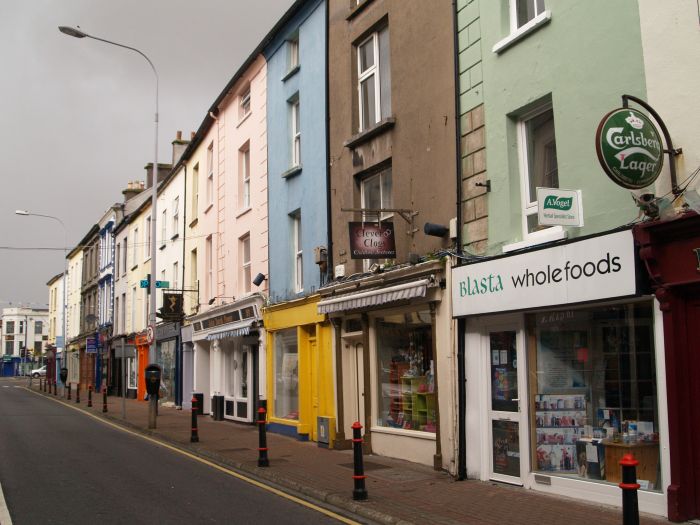
The Grattan Square in Dungarvan with lots of shops and cafes and bars
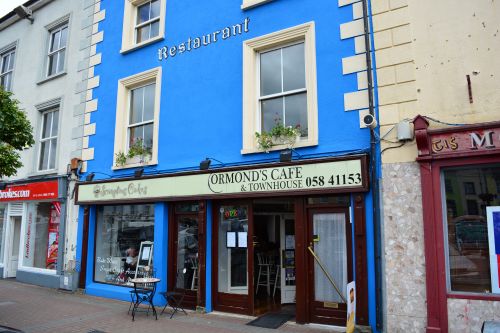
Ormond's Cafe and Townhouse and Restaurant, Grattan Square in Dungarvan.
Notable buildings in Dungarvan
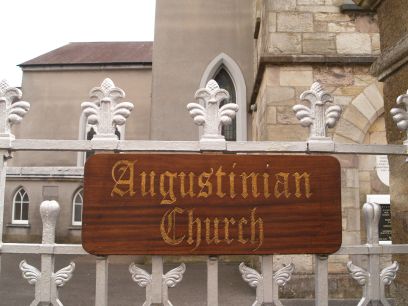
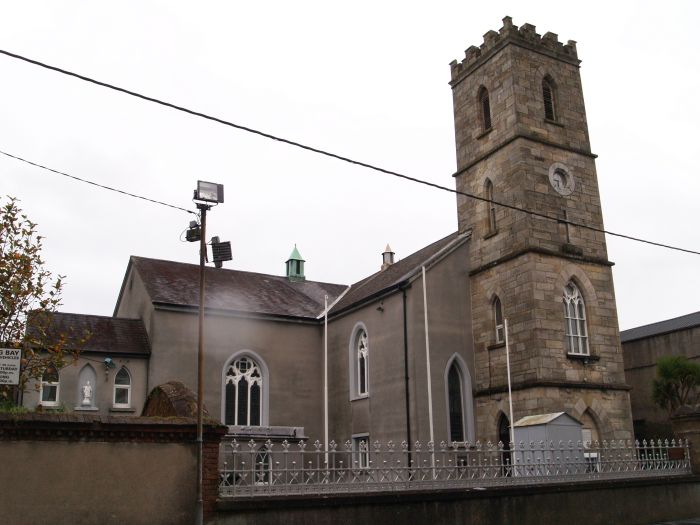
The Augustinian Church, Dungarvan
The Augustinian Church in Dungarvan.
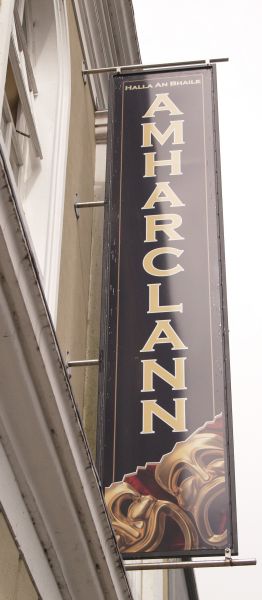
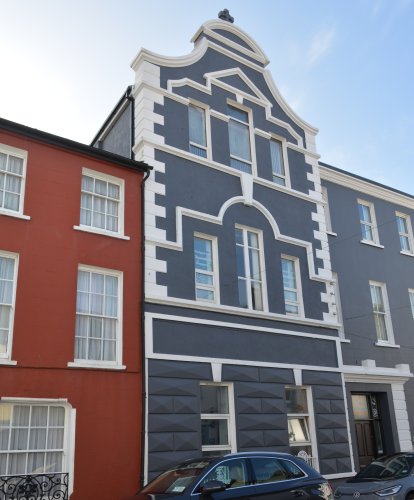
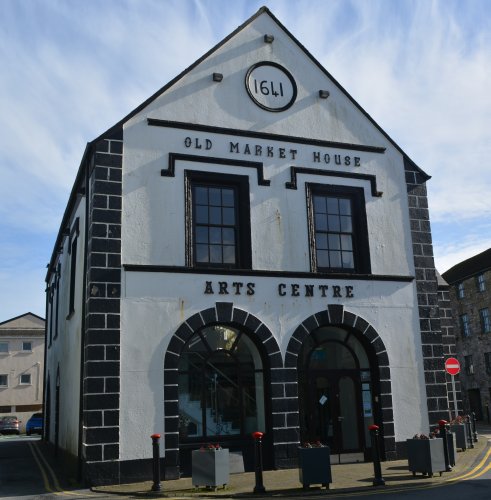
Dungarvan Arts Centre in the Old Harbour House dated 1641
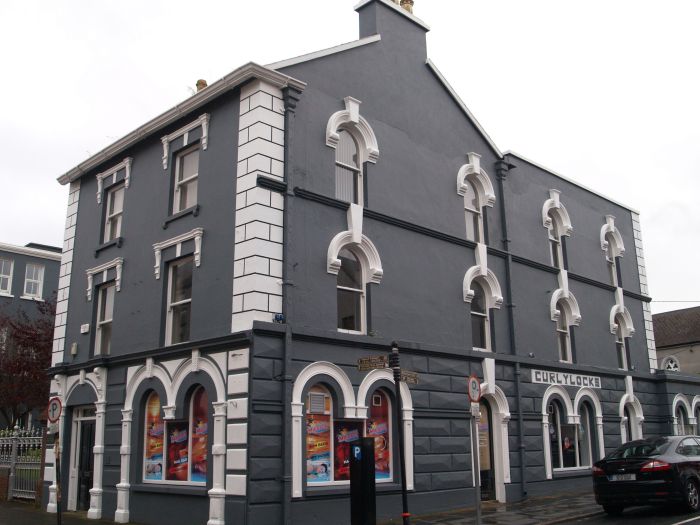
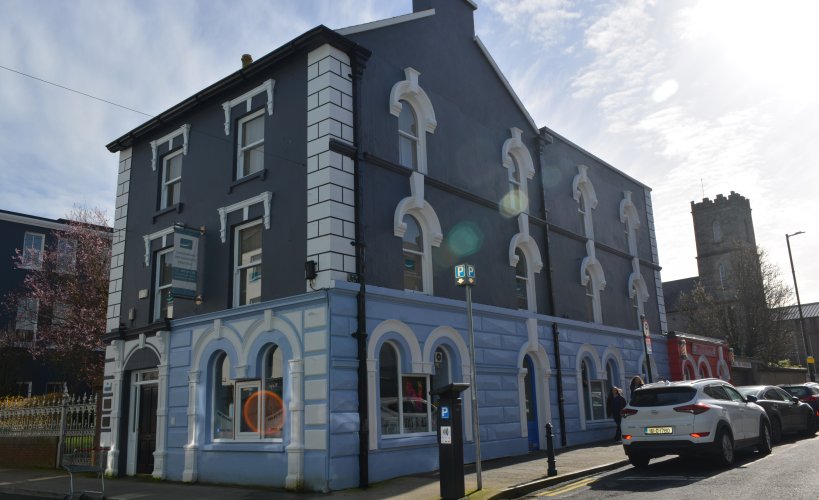
A fine building with Curly Locks hairdressers on the right!
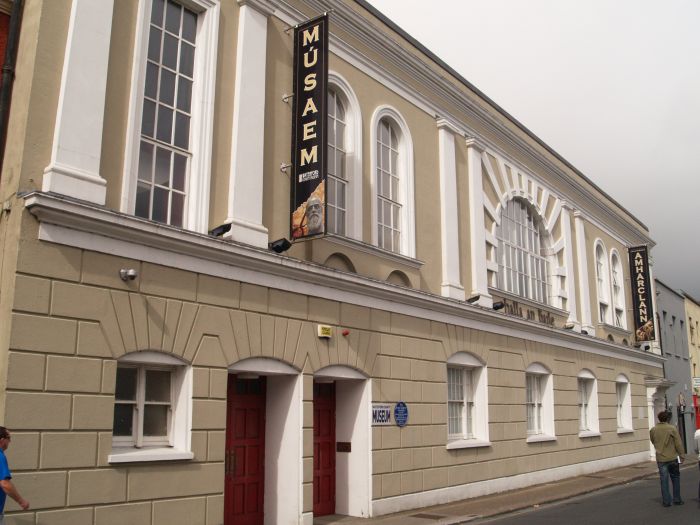
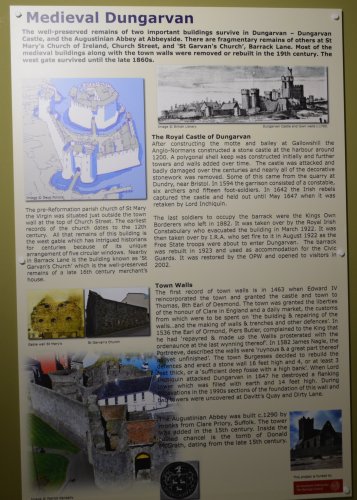
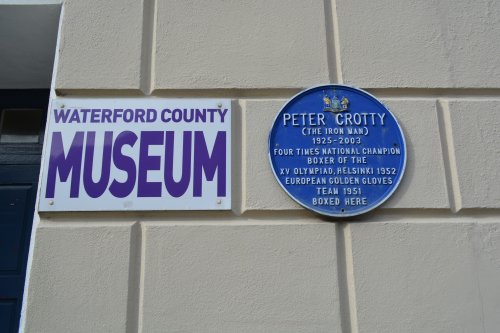
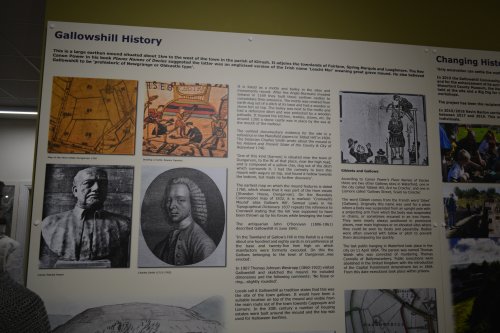
Dungarvan Museum
Dungarvan Museum
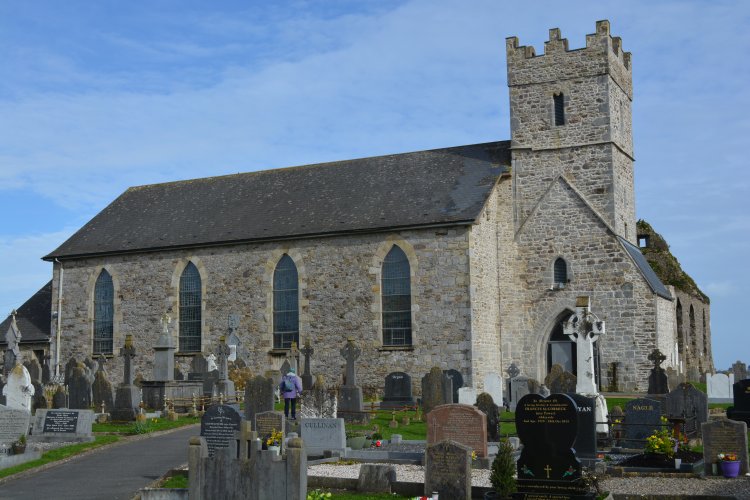
The Abbeyside 'modern' Church and medieval church ruins St Augustine's Church, Friar's Walk, Abbeyside, Dungarvan, County Waterford
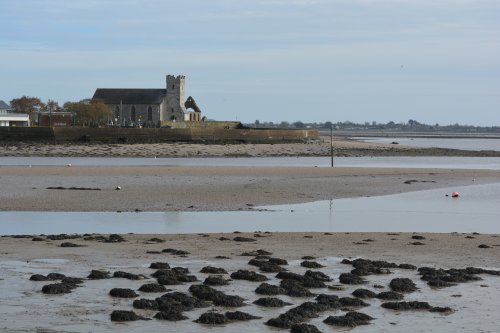
View from Dungarvan across the Colligan River estuary to the church and ruin of St Augustine at Abbeyside
The
'modern' St Augustine’s Church and the Abbeyside
Augustinian Abbey
ruins form one of the most
historically layered ecclesiastical sites in County Waterford. What you
see today is a 19th‑century Catholic church physically fused
with the surviving medieval tower and chancel of a
13th‑century Augustinian friary on the foreshore of Dungarvan
Bay at the mouth of the Colligan Estuary. Below is a full, structured account grounded in the most authoritative sources available. 1. The Medieval Augustinian Abbey (c.1290–1541)Foundation
Original LayoutSurviving archaeology shows the friary originally included:
Architectural Features Still Visible
Later Medieval Patronage
2. Dissolution, Decline, and Ruin (1541–1654)Dissolution of the Monasteries
Post‑Dissolution Use
Ruination
3. The Modern St Augustine’s Church (1820s–present)Construction of the New Church
Architectural DescriptionAccording to the survey:
19th‑century Augustinian Revival
4. The Foreshore Setting: Abbeyside on Dungarvan BayThe abbey and church occupy a dramatic position:
This setting explains the friary’s original strategic and pastoral importance: it served a maritime community and controlled a key crossing point. 5. Summary Timeline
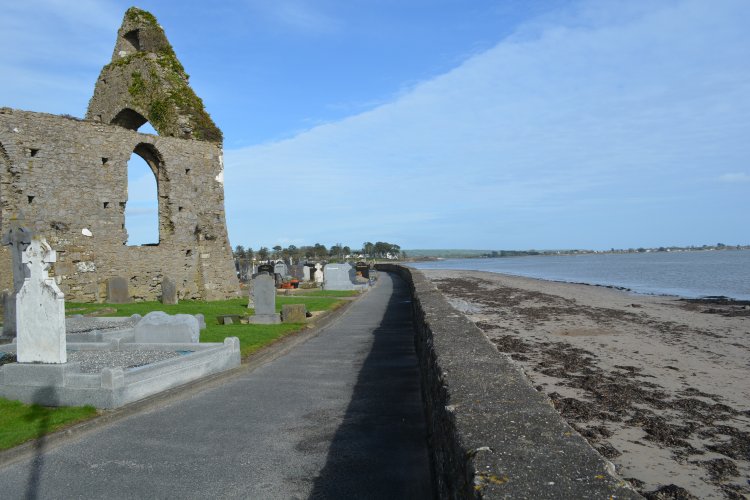
The medieval St Augustine Abbey ruins of the Augustinian community church
The beach below the abbey ruins
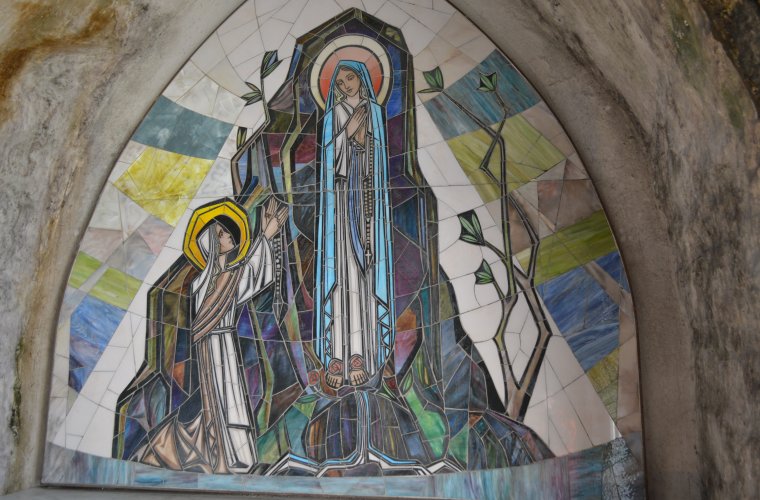
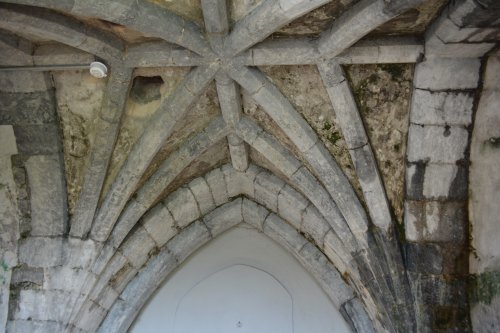
Image of ? in the entrance to St Augustine's Church, above is medieval vaulting (see image below)
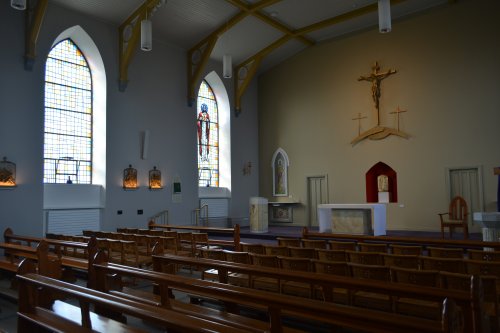
Some of the original ceiling vaulting of the medieval St Augustine's church and the interior of the 'modern' St Augustine church.
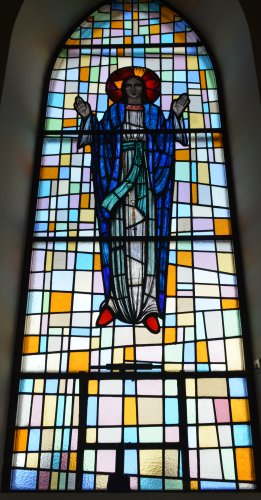
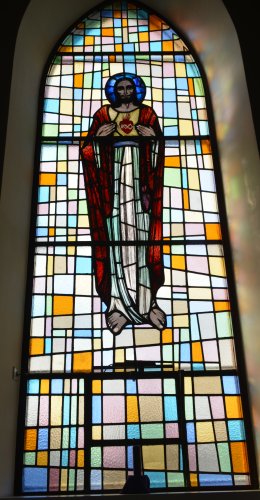
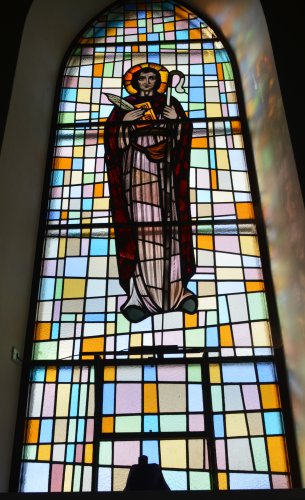
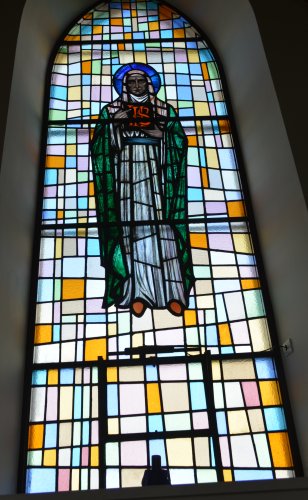
The stained glass window panels of the 'modern' St Augustine Church. Notes on the town of Dungarvan, Co. Waterford Dungarvan (Dún Garbhán) is one of Ireland’s most rewarding small towns for a curious visitor — a place where early Christian settlement, Norman power, Georgian planning, 19th‑century seaside leisure, and 21st‑century culture and food all overlap. Set at the mouth of the River Colligan, with the Comeragh Mountains behind and the sea in front, it is both a historic town and a modern holiday base. Below is a deep, structured, visitor‑friendly guide, fully grounded in the search results. Origins & Early DevelopmentEarly settlement (3rd–7th century)
Norman & medieval era (12th–15th century)
Turbulent centuries (16th–17th century)Dungarvan changed hands repeatedly:
Georgian & Victorian Dungarvan18th–19th century improvements
Key Historic Buildings & SitesKing John’s CastleA 13th‑century Anglo‑Norman fortress guarding the harbour. Today it is a major visitor attraction with exhibitions and courtyard access. Augustinian Priory, AbbeysideFounded in the 13th century; its tower and arches remain a striking landmark. Old Market House / Arts CentreBuilt in the late 1690s as a butter market; later council chambers; now an arts centre. Waterford County MuseumLocated in the old Town Hall (early 19th century), formerly a grain store, theatre, dance hall, and library. Exhibits include:
Natural Setting & Outdoor Activities
Beaches & viewpoints
Modern Dungarvan: A Vibrant Seaside TownDungarvan today is a lively administrative centre with cafés, pubs, restaurants, arts venues, and waterfront walks. It is widely promoted as an ideal base for exploring West Waterford. Cafés & Coffee SpotsDungarvan has an unusually rich café culture for a town of its size. Highly rated options include:
Pubs & NightlifeDungarvan is known for its friendly, traditional pubs and live music. Notable venues include:
Museums & Cultural Attractions
Notable People
As a retired science teacher, an extra special note on a scientist from Dungarvan Ernest Walton — Ireland’s Nobel‑Winning PhysicistWho he was
Why he won the Nobel Prize
His reputationWalton was known not only as a brilliant scientist but also as a deeply decent, modest, and humane man — a rare combination in the world of high‑stakes physics. Walton Park, DungarvanDungarvan honours its most famous son with Walton Park, a peaceful green space on the waterfront near the bridge.
Why Dungarvan Appeals to VisitorsDungarvan offers:
It is one of the most complete and enjoyable small towns in Ireland for a visitor who loves history, scenery, and good food.
Heading west from Dungarvan on the N25 towards the mountains of Kerry.
next page
Notes on the town of Dungarvan
Email:
chem55555@hotmail.com
Irish holiday tour docspics photos images pics photographs pictures © Phil Brown * Irish holiday tours, touring in Ireland, top tourist attractions, tourism information, luxury hotels, self-catering holiday cottages, airbnb air b and b air B&B accommodation, historic towns & cities in Ireland archaeological sites, museums, cheap flights, get there by flying of Ferry, Irish Ferries, Stena Line, Ryanair Travel, dining out in Ireland, good food guide to Ireland, top Irish restaurants, Irish coach tours, weekend breaks trips to Ireland docspics images photos of Dungarvan, Co. Waterford © Phil Brown Tourist information on Dungarvan, Co. Waterford, Walks near Dungarvan, Co. Waterford, Having holidays near Dungarvan, Co. Waterford, Ireland, Top tourist attractions near Dungarvan, Co. Waterford, luxury hotels near Dungarvan, Co. Waterford, self-catering holiday cottages near Dungarvan, Co. Waterford, airbnb air B and B near Dungarvan, Co. Waterford, good B&B near Dungarvan, Co. Waterford, friendly pubs near Dungarvan, Co. Waterford, cafes near Dungarvan, Co. Waterford, eating out in fine restaurants near Dungarvan, Co. Waterford, weekend breaks near Dungarvan, Co. Waterford, wining & dining weekends near Dungarvan, Co. Waterford, walking holidays around Dungarvan, Co. Waterford, touring coach tours including Dungarvan, Co. Waterford, pretty villages near Dungarvan, Co. Waterford, historic towns and pretty village near Dungarvan, Co. Waterford, museums near Dungarvan, Co. Waterford, local art galleries near Dungarvan, Co. Waterford, guided walks from Dungarvan, Co. Waterford, excellent fell hill walking around Dungarvan, Co. Waterford, rambling near Dungarvan, Co. Waterford, exploring the landscape near Dungarvan, Co. Waterford, good places to eat near Dungarvan, Co. Waterford, tourist attractions near Dungarvan, Co. Waterford, tourist information for places near Dungarvan, Co. Waterford, good places for wining and dining near Dungarvan, Co. Waterford, good walks near Dungarvan, Co. Waterford, properties for sale near Dungarvan, Co. Waterford, renting a flat or house near Dungarvan, Co. Waterford, property for rent near Dungarvan, Co. Waterford, houses for sale near Dungarvan, Co. Waterford, lettings near Dungarvan, Co. Waterford, places to rent near Dungarvan, Co. Waterford, holiday cottage accommodation near Dungarvan, Co. Waterford docspics images photos of Dungarvan, Co. Waterford Ireland © Phil Brown Tourist information on Dungarvan, Co. Waterford, Things to do in Dungarvan, Co. Waterford, What to see in Dungarvan, Co. Waterford, guided walks in Dungarvan, Co. Waterford, weekend breaks in Dungarvan, Co. Waterford holidays in Dungarvan, Co. Waterford, Top tourist attractions in Dungarvan, Co. Waterford, luxury hotels in Dungarvan, Co. Waterford, self-catering holiday cottages in Dungarvan, Co. Waterford, airbnb air B and B in Dungarvan, Co. Waterford, good B&B in Dungarvan, Co. Waterford, friendly pubs in Dungarvan, Co. Waterford, cafes in Dungarvan, Co. Waterford, eating out in fine restaurants in Dungarvan, Co. Waterford, bargain holiday breaks in Dungarvan, Co. Waterford, wining & dining weekends in Dungarvan, Co. Waterford, touring coach tours visiting Dungarvan, Co. Waterford, pretty areas in Dungarvan, Co. Waterford, historic buildings in Dungarvan, Co. Waterford, visiting museums in Dungarvan, Co. Waterford, local art galleries in Dungarvan, Co. Waterford, guided walks in Dungarvan, Co. Waterford, history of Dungarvan, Co. Waterford, architecture of Dungarvan, Co. Waterford, historic houses in Dungarvan, Co. Waterford, historic churches in Dungarvan, Co. Waterford, information centre in Dungarvan, Co. Waterford, heritage places in Dungarvan, Co. Waterford, good places to eat in Dungarvan, Co. Waterford, top tourist attractions in Dungarvan, Co. Waterford, tourist information for things to do and see in Dungarvan, Co. Waterford, good places to eat out in Dungarvan, Co. Waterford, good places to walk to in Dungarvan, Co. Waterford, tourist attractions properties for sale in Dungarvan, Co. Waterford, renting a flat of house in Dungarvan, Co. Waterford, property for rent in Dungarvan, Co. Waterford, houses for sale in Dungarvan, Co. Waterford, lettings in Dungarvan, Co. Waterford, places to rent in Dungarvan, Co. Waterford, holiday cottage accommodation in Dungarvan, Co. Waterford |







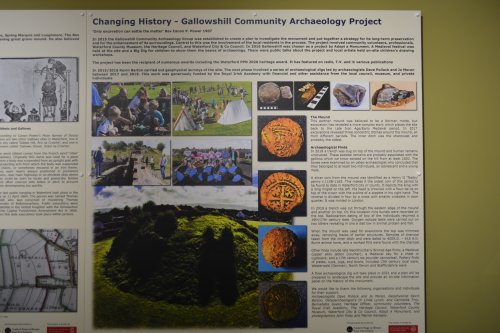
 The history of Davitt's Quay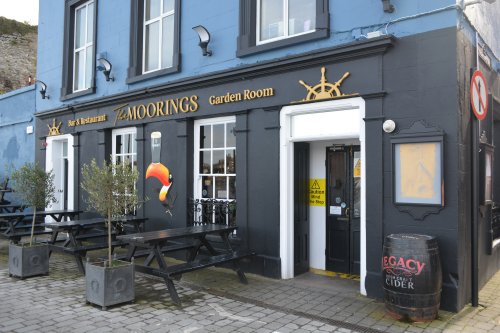





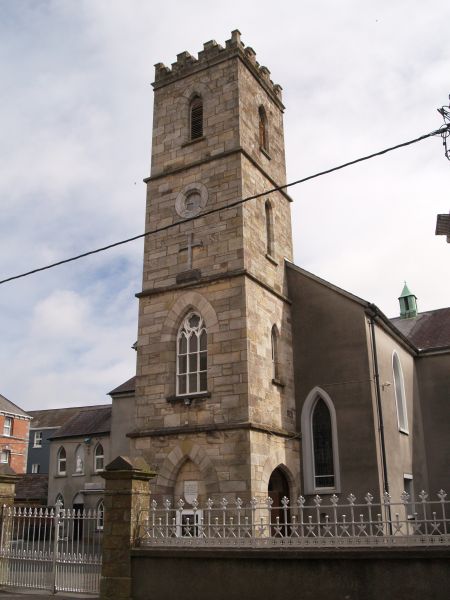
 The later St Augustine's Church, Abbeyside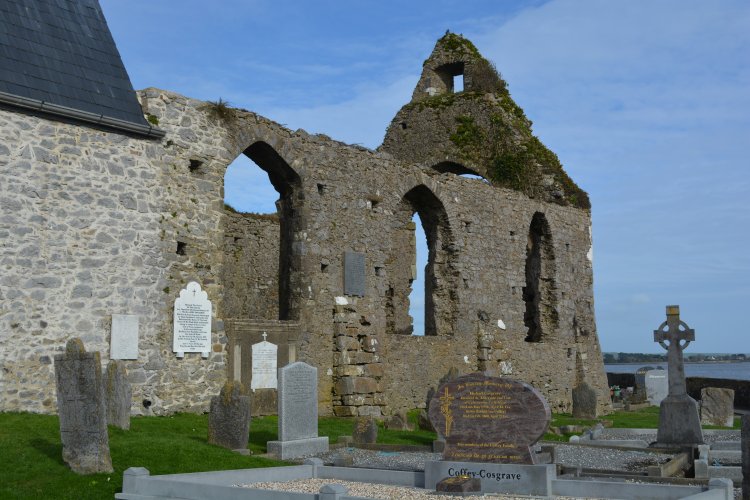

 |
 |
 |
 |
 |
 |
 |
 |
 |
 |
 |
 |
 |
 |
 |
 |
 |
 |
 Enter place, heritage site, feature, walk, town, village, city, museum, historic building,
mountain, island, anything of interest in Ireland!
Enter place, heritage site, feature, walk, town, village, city, museum, historic building,
mountain, island, anything of interest in Ireland! |
||||||||