|
43a. A stroll on Ventry Harbour (Bay) and Ventry Beach and the Fahan prehistoric beehive huts, Rahinnane Castle, Dingle Peninsula, County Kerry
SCENES
from IRELAND [Author
&
photographer
©
Dr Phil Brown PhD
+ help from AI,
page re-edit April 12th 2026] Ventry Bay and Beach * Rahinnane Castle * The western? beehive huts of the Fahan Group * Eastern? beehive huts
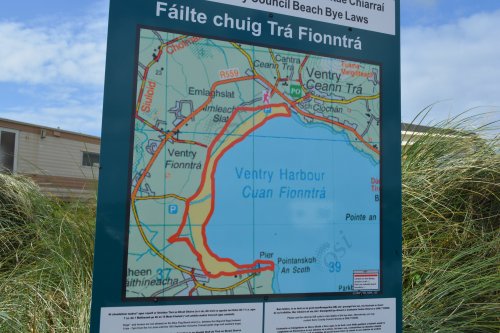
Ventry Harbour (Bay) and Beach
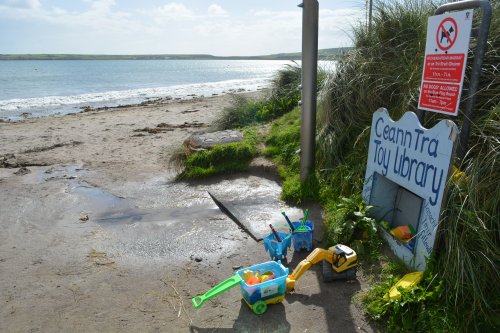
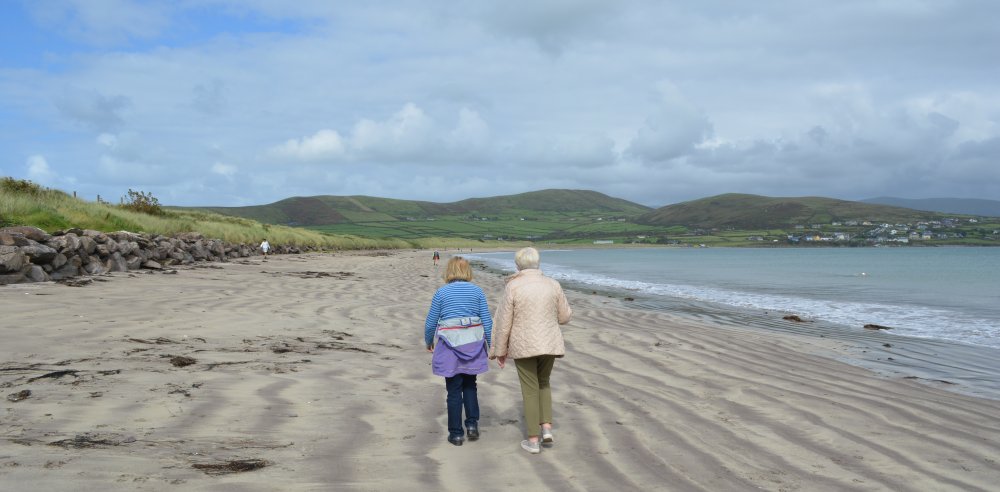
What a lovely idea! The toy library at the entrance to Ventry beach. Ventry Beach — Trá Ceann Trá — is one of the most beautiful,
sheltered, and culturally rich beaches on the Dingle Peninsula. It sits
just 10 minutes west of Dingle town and forms the first major coastal
stop on the Slea Head Drive. Below is a structured, comprehensive guide
that integrates the most authoritative, up‑to‑date information
available, grounded in recent sources.
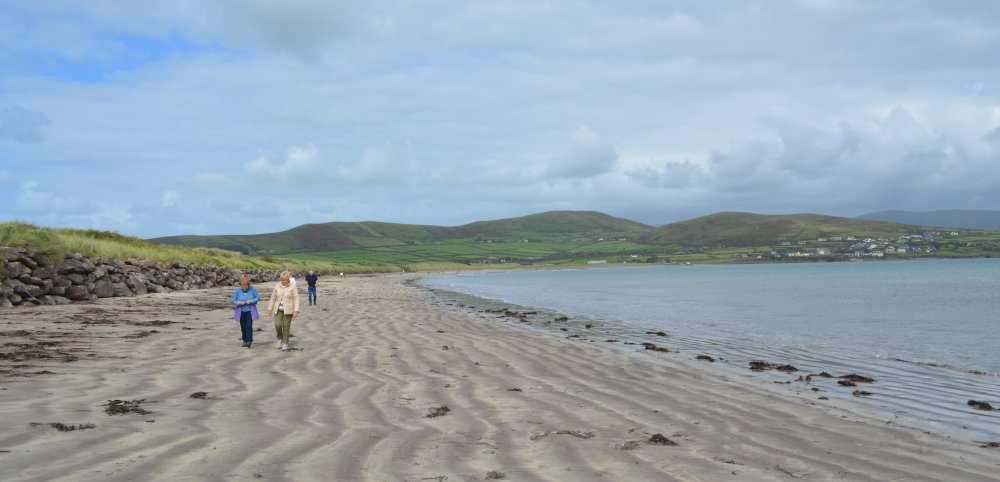
Ventry Beach (Ceann Trá) is a long,
sweeping, Blue Flag sandy beach curving around the
sheltered waters of Ventry Harbour. It is known for: Calm, safe swimming conditions Excellent water quality Beautiful walks Rich wildlife habitats Its location in the Gaeltacht
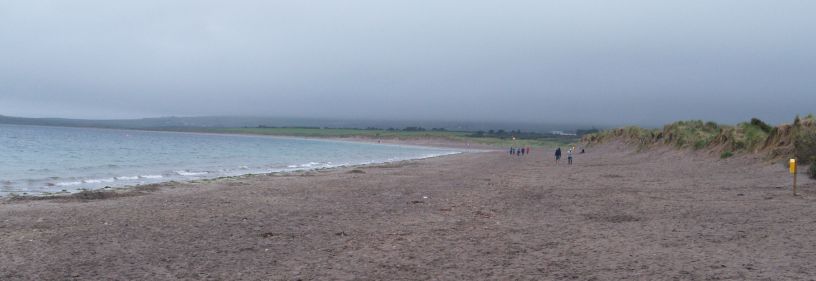
(Irish‑speaking region) It is also one of the longest beaches in Ireland,
stretching roughly 3 miles.
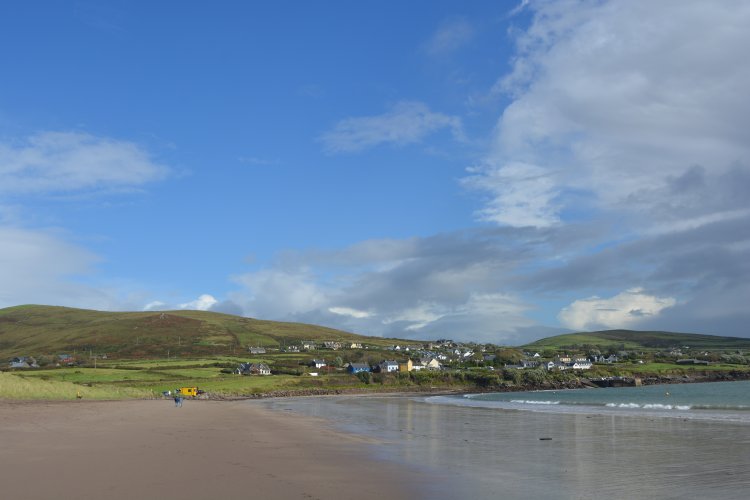
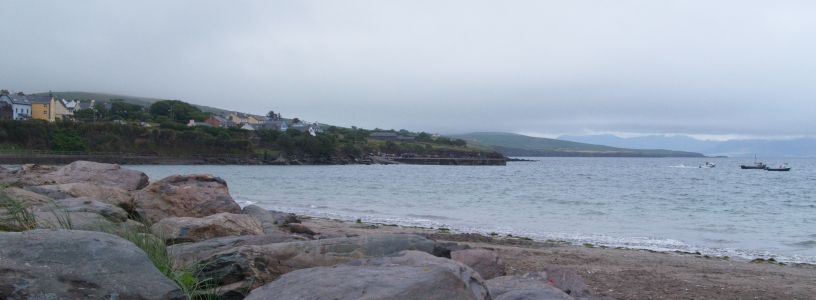
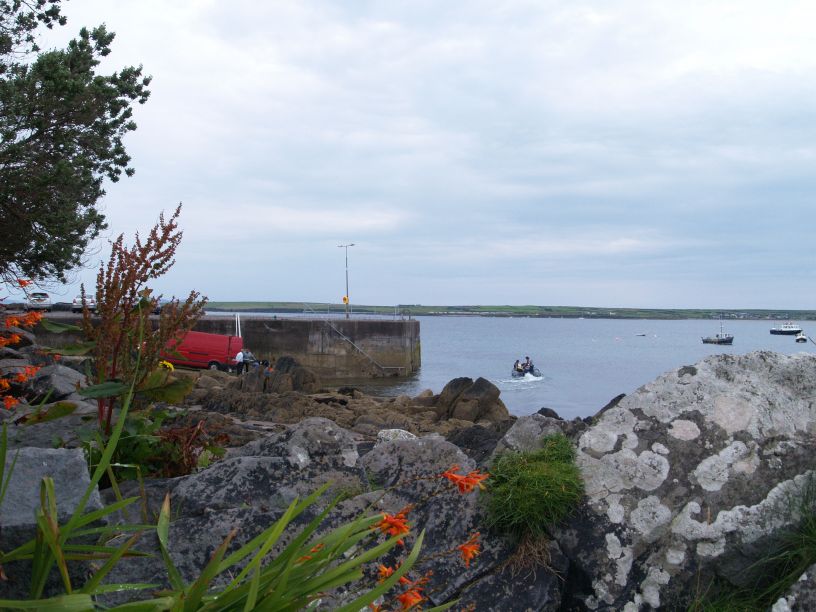
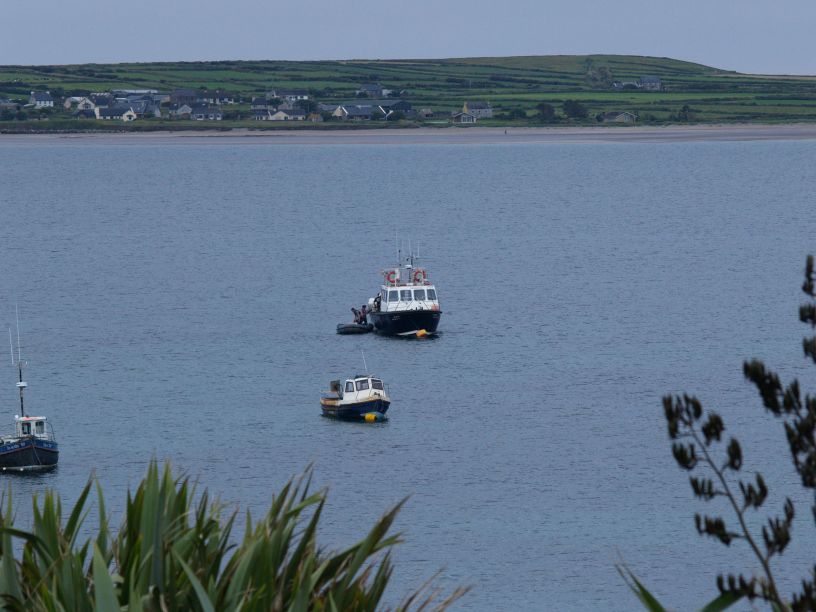
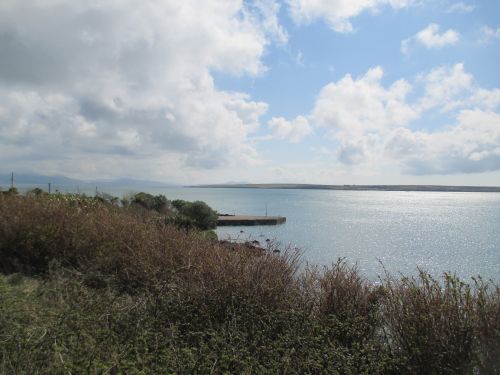
Ventry village above Ventry beach and Ventry Pier on Ventry Bay
(lifeguard hut too). Situated just southwest of
Ventry village 10 minutes from
Dingle On the Slea Head Drive loop Access via a small road just beyond the village Parking can be limited in summer — the main car park
holds only 15–20 cars, and village parking is scarce.
Ventry is one of the best swimming beaches on the
peninsula because: The bay is naturally sheltered Waters are calm Lifeguards are on duty during the
summer bathing season It holds Blue Flag status for water
quality The beach is ideal for: Long shoreline walks Looping back through dunes and wetlands Birdwatching Photography The hinterland includes: Sand dunes A small lake Marshlands Extensive reed beds
Ventry Beach sits within a Natural Heritage Area,
making it a hotspot for: Wading birds Reed‑bed species Rare plants Coastal dune ecosystems The combination of dunes, wetlands, and sheltered bay
creates one of the most ecologically diverse corners of the peninsula. Calm waters Lifeguards in summer Excellent water quality The sheltered bay is ideal for: Windsurfing Stand‑up paddleboarding Kayaking Long beach walks Dune and wetland loops Nearby Mount Eagle hike for
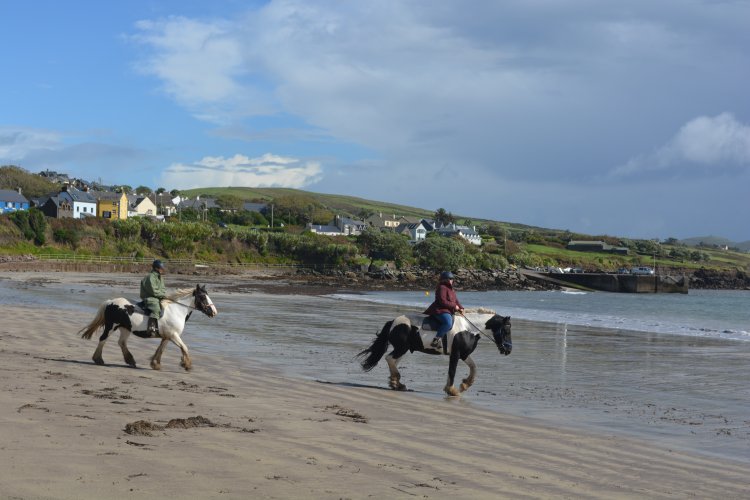
panoramic views and horse riding too!
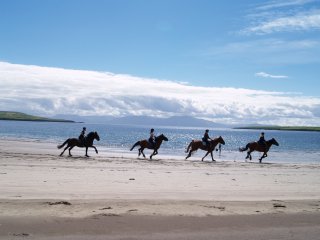
Horse riding near the pier on the beach of Ventry bay A small Gaeltacht village with: Quinn’s Pub Paidi Ó Sé’s Pub Local shops Penny’s Pottery Access to marine tours It’s a peaceful, culturally rich base for exploring West
Kerry. Ventry is the first major coastal stop
on the Slea Head Drive when travelling clockwise. A gentle introduction to the Atlantic coastline A safe swimming spot before the wilder beaches
further west A perfect place to stretch your legs before Dunbeg
Fort, the Beehive Huts, and Slea Head itself Safer for swimming than Coumeenoole More sheltered than Inch Beach Longer and more diverse than many
smaller coves Family‑friendly with calm waters
and lifeguards Ventry Beach is: One of Ireland’s longest and most beautiful beaches A Blue Flag, safe swimming location A wildlife‑rich natural heritage area A perfect stop on the Slea Head Drive A peaceful Gaeltacht community with strong cultural
identity It’s a place where the Atlantic softens, the dunes
shelter rare wildlife, and the landscape invites long, contemplative
walks.
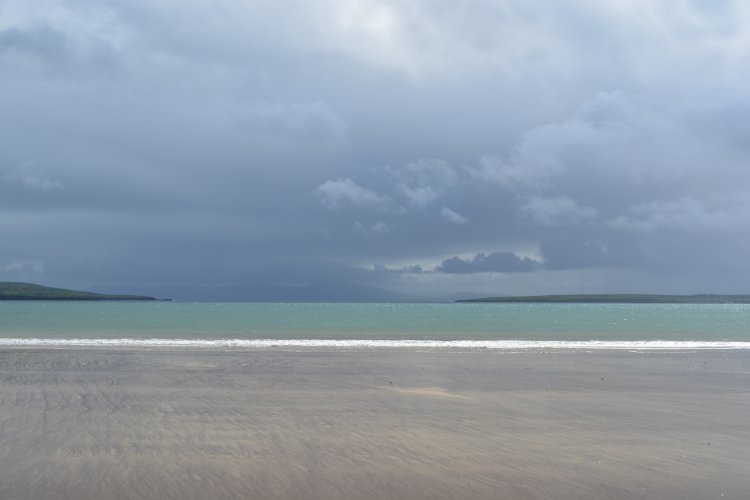
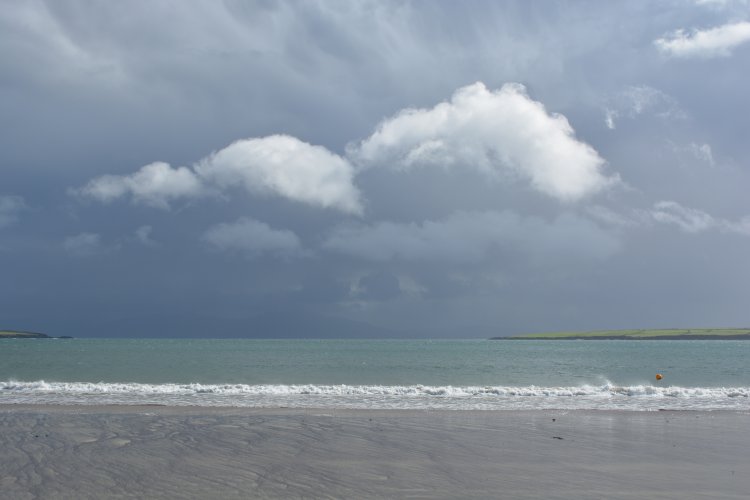
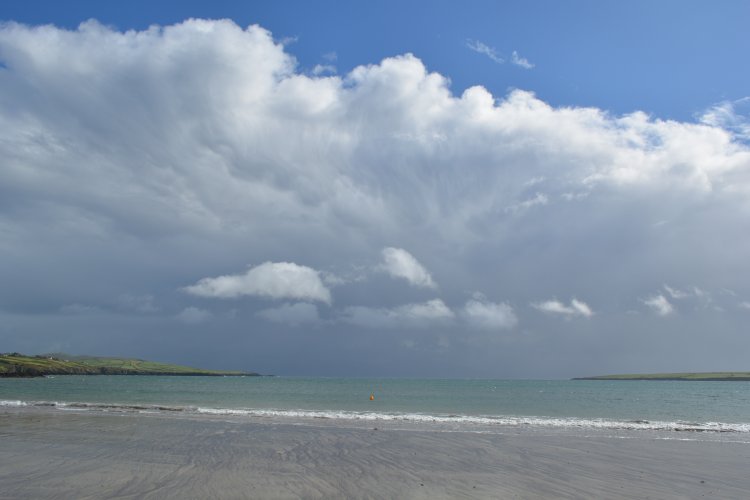
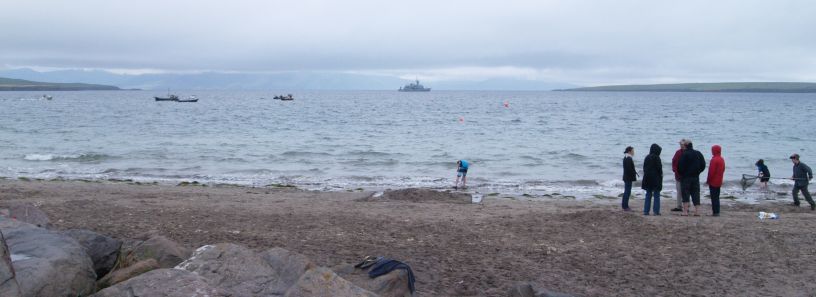
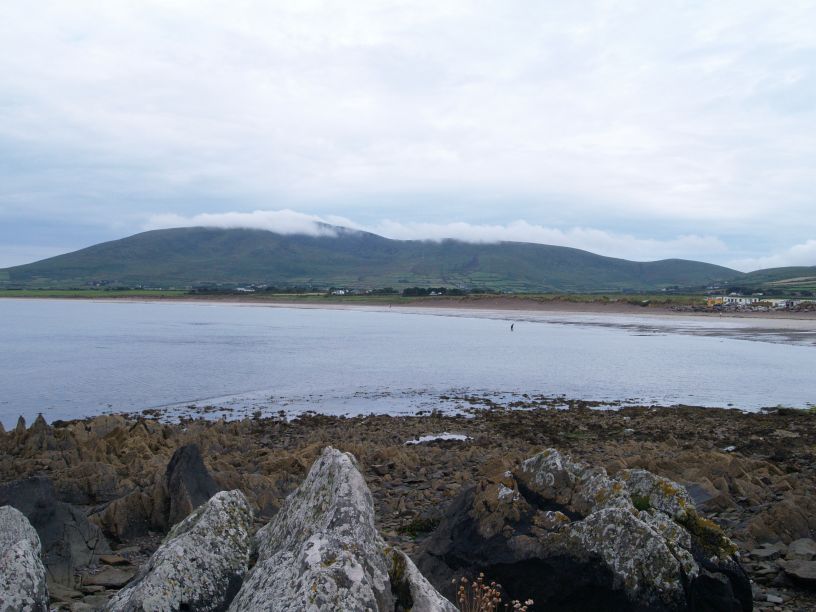
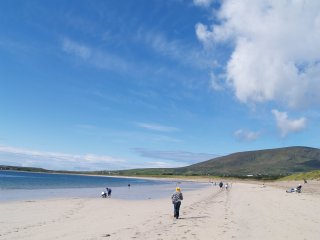
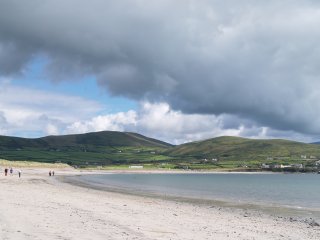
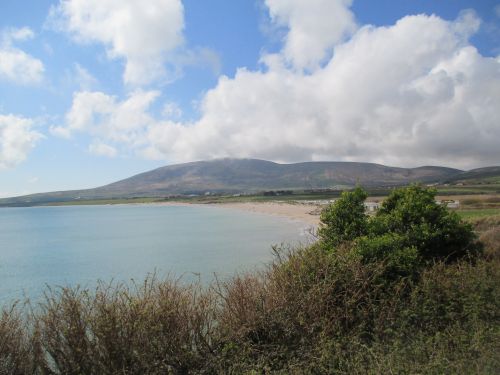
Ventry village has an absolutely super expansive beach-strand (Ceann Trá), popular, but lots of space for everyone by the beautiful bay and seascape and mountain scenery all around in background!
Solitude or lots of activity! Horse riding is popular on Ventry beach.
A tiny harbour and quay at the 'road' end of Ventry Beach
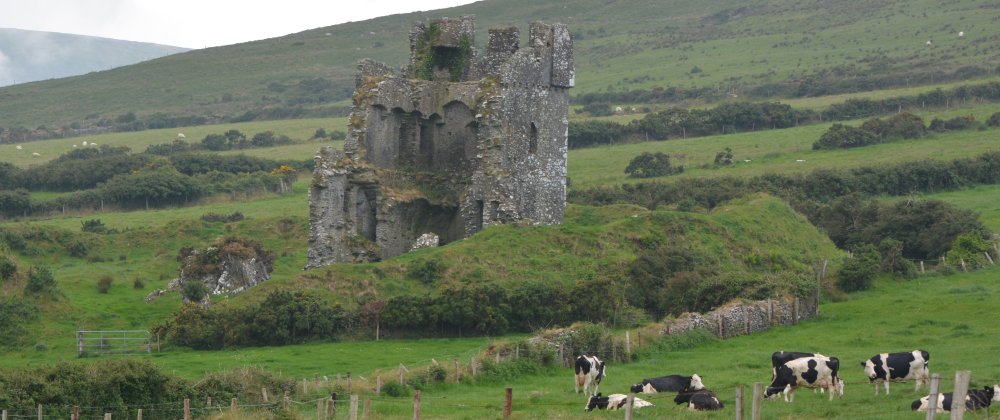
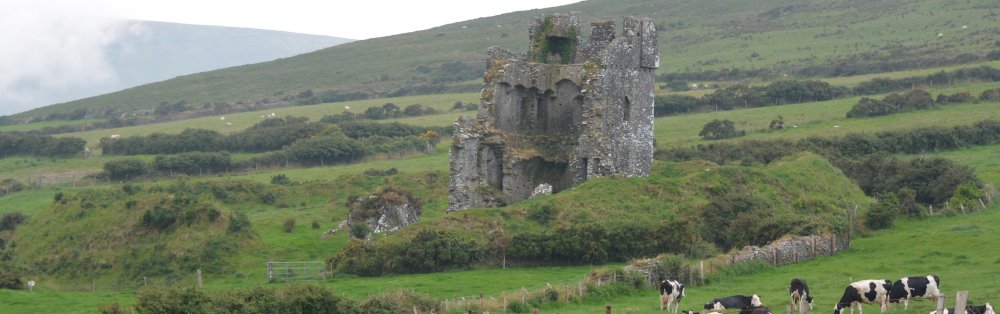
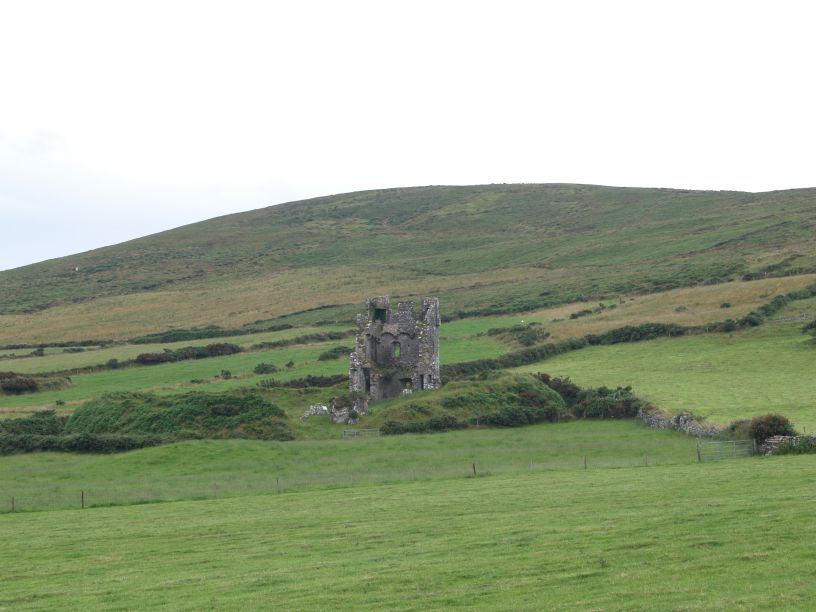
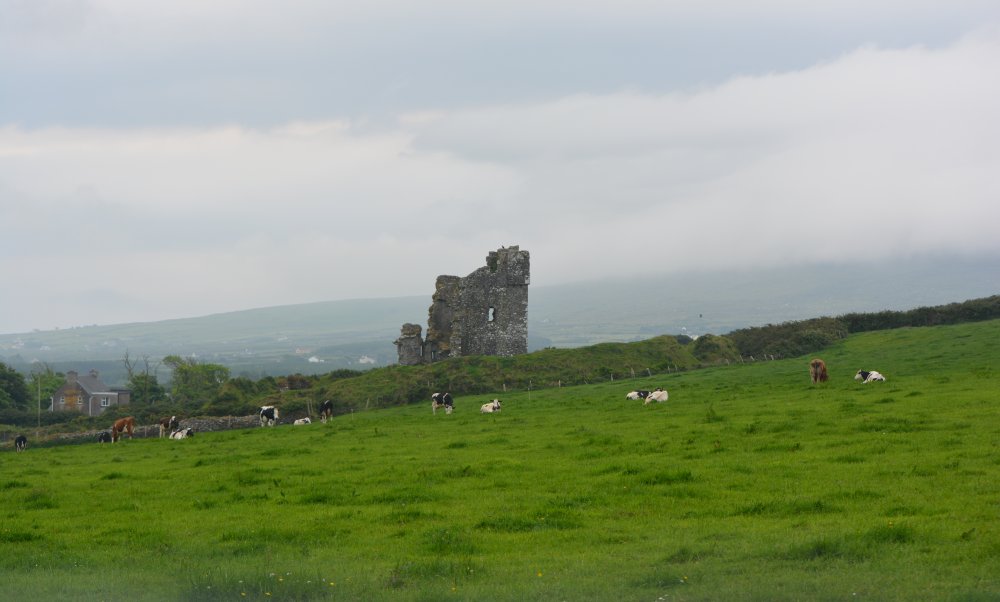
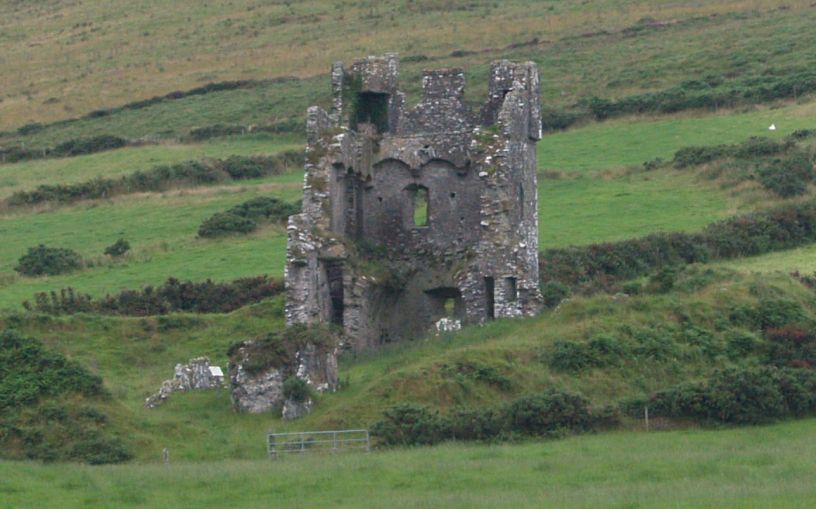
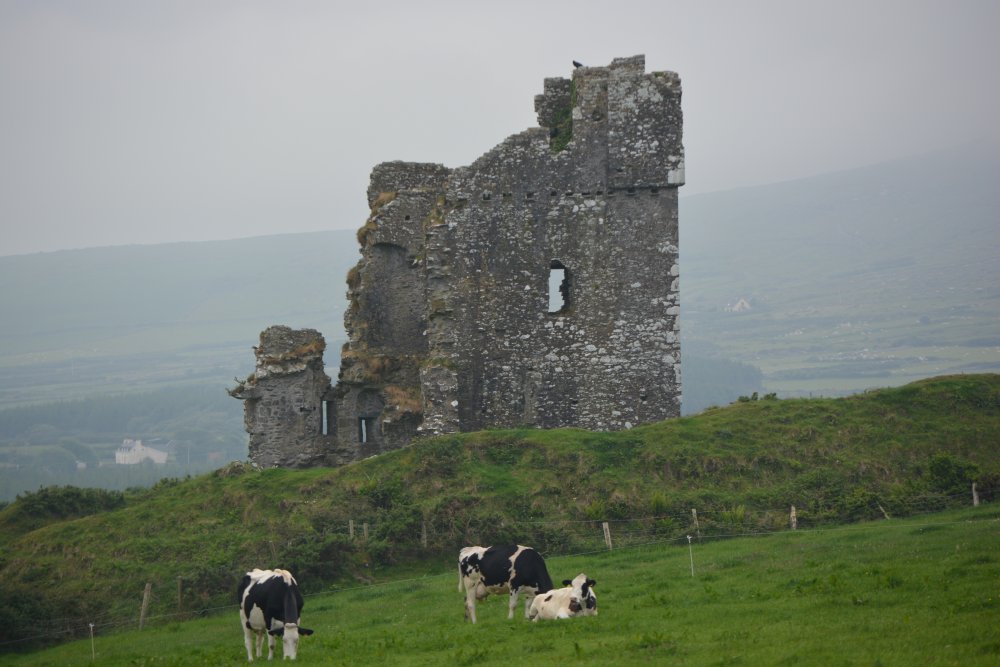
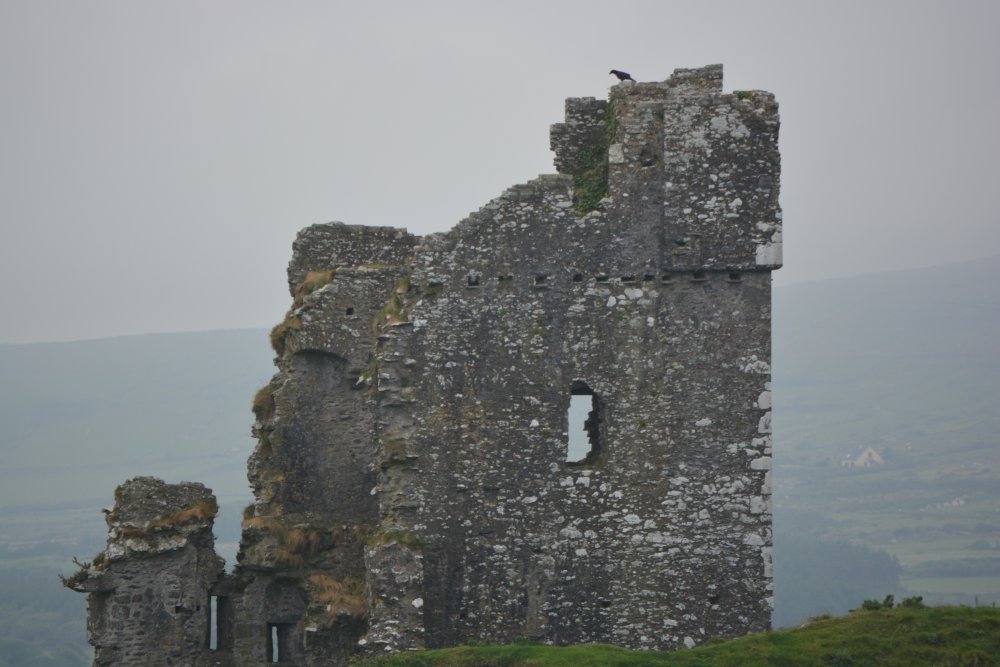
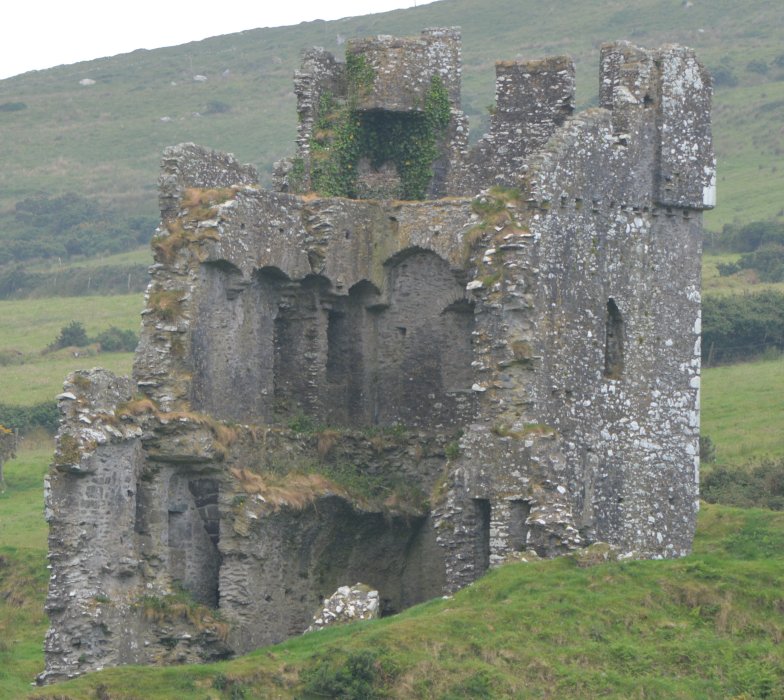
Rahinnane Castle (Caisleán Ráthanáin) — History & ArchaeologyRahinnane Castle is one of the most fascinating multi‑period archaeological sites on the Dingle Peninsula — a 7th–8th‑century ringfort transformed in the 15th–16th century into a FitzGerald tower house, later besieged, captured, and ruined in the wars of the 1600s. It is a National Monument and one of the best places on the peninsula to see early medieval, late medieval, and early modern layers in one landscape. Below is a structured, deeply detailed synthesis grounded in authoritative sources. 1. Origins: The Early Medieval Ringfort (7th–8th century)Rahinnane began as a large
defended ringfort, originally called Rath Fhionnáin
(“Finan’s ringfort”).
The scale of the earthworks suggests a high‑status farmstead, with houses, sheds, workshops, and animal pens inside the enclosure. FolkloreLocal tradition once claimed this was the last piece of land held by Vikings in Ireland due to its defensibility — a story not supported by evidence but reflecting the site’s reputation. 2. The Tower House: FitzGerald / Knights of Kerry (15th–16th century)In the late medieval period, the powerful FitzGeralds (Knights of Kerry) built a rectangular three‑storey tower house directly inside the ringfort. Architectural FeaturesFrom archaeological descriptions:
Associated BuildingsArchaeological traces south of the tower show foundations of a large rectangular domestic building (22 m × 12 m), likely containing fireplaces, garderobes, and storage — amenities absent from the tower itself. 3. Warfare & Decline (1602–1650s)Rahinnane’s later history is tied to Ireland’s turbulent early modern conflicts. 1602 — Nine Years’ WarThe castle was captured by Sir Charles Wilmot, part of the English Crown’s campaign against Gaelic and Hiberno‑Norman lords. 1649–1653 — Cromwellian ConquestRahinnane was ruined by Cromwellian forces, like many tower houses in Munster. After this period, it was never rebuilt and gradually fell into the romantic ruin seen today. 4. Construction TechniquesThe surviving masonry reveals:
These details make Rahinnane a valuable teaching site for medieval building methods. 5. What You See TodayVisitors can still observe:
The site also commands superb views over Ventry Harbour. 6. Visiting Notes
SummaryRahinnane Castle is a layered archaeological palimpsest:
It is one of the most atmospheric and instructive heritage sites on the Dingle Peninsula, combining landscape, archaeology, and history in a single dramatic setting.
Rahinnane Castle sits on farmland just above Ventry on the Dingle Peninsula
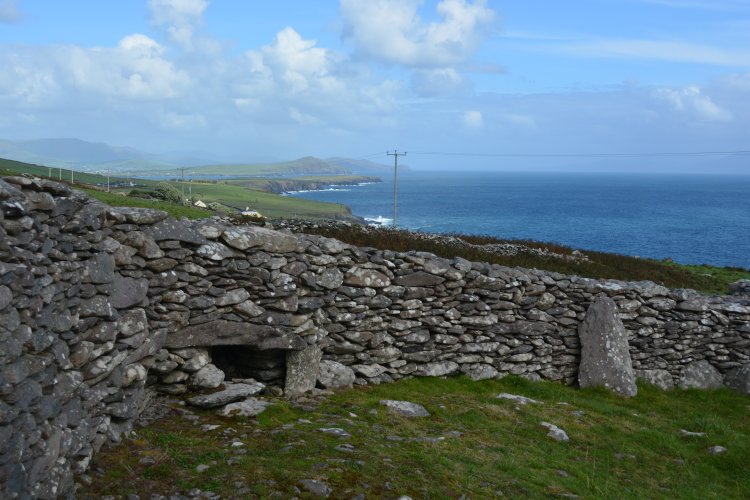
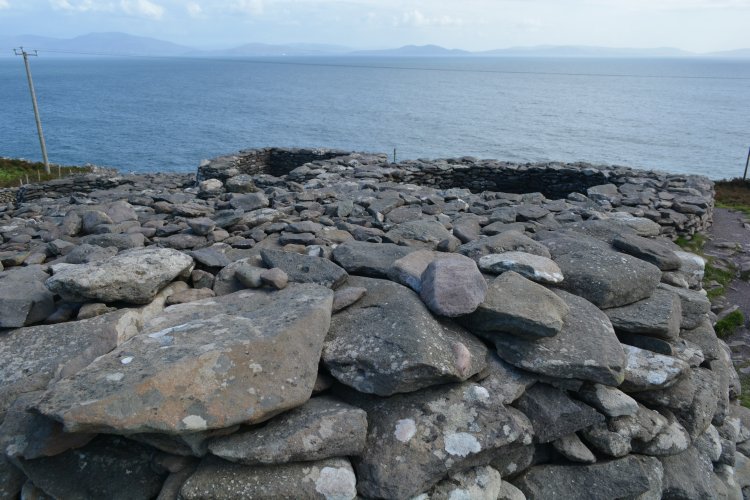
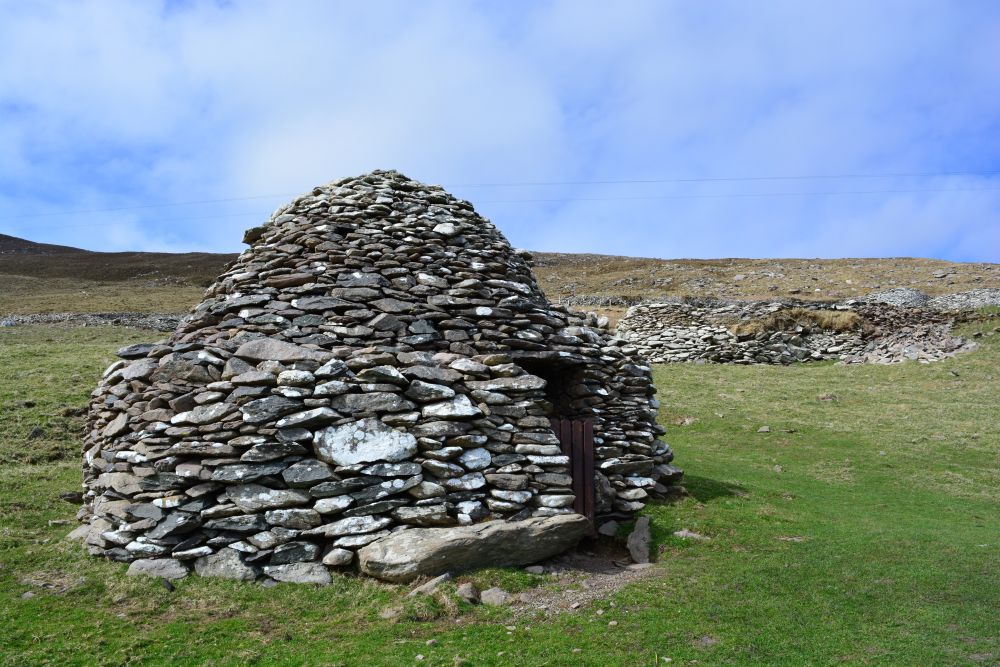
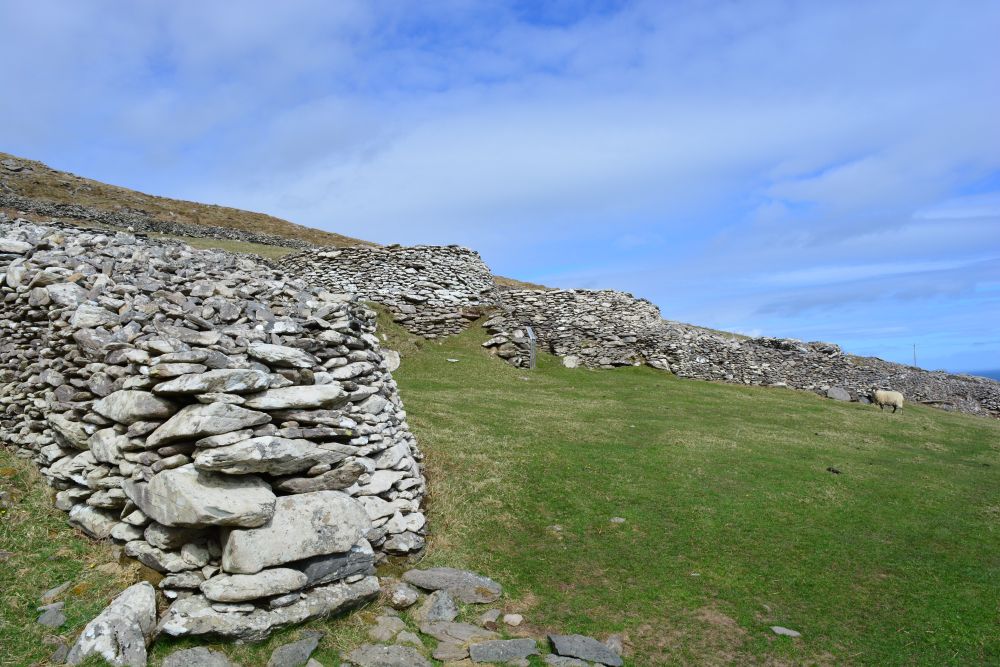
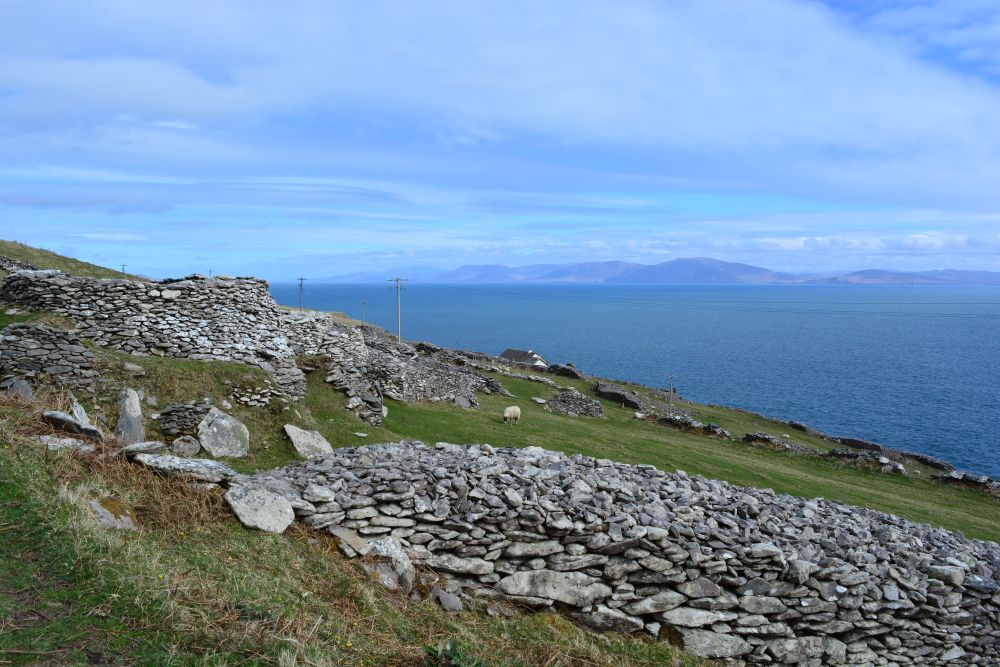
The western? beehive huts of the Fahan Group
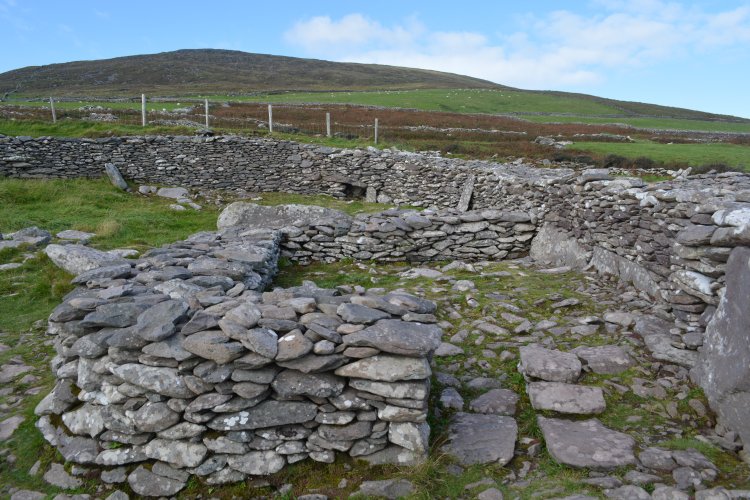
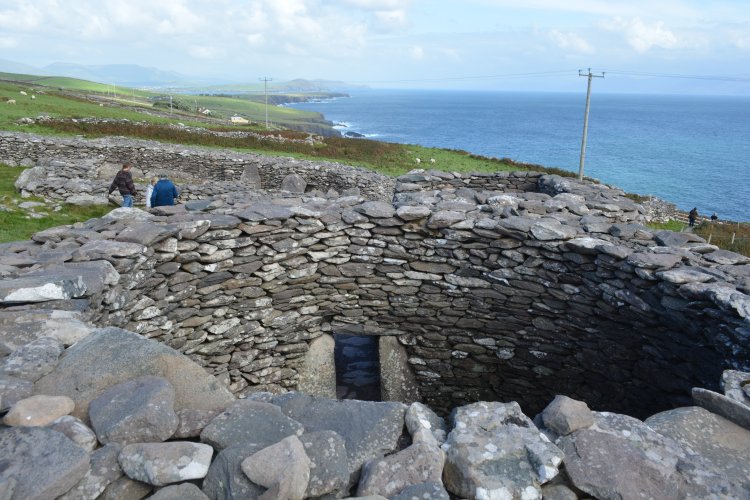
The Fahan Beehive Huts (Clocháin Fhathain) form one of Ireland’s most important early‑medieval settlement landscapes — a dense constellation of drystone corbelled huts, ringforts, caves, and associated features spread across the slopes beneath Mount Eagle on the Dingle Peninsula. What survives today is only a fragment of what was once a vast settlement system, but the archaeology and historical testimony allow us to reconstruct its long, layered story. Below is a structured, comprehensive synthesis of the history, archaeology, architecture, and interpretation of the Fahan group, integrating the most authoritative recent sources. Core Historical TakeawayThe Fahan huts represent a multi‑period settlement tradition spanning from at least the early medieval period (possibly earlier) to the 19th century, with the densest construction phase likely in the 12th century, when displaced Gaelic farmers sought refuge on the marginal lands of the Dingle Peninsula. Their corbelled architecture makes them difficult to date precisely, but the cluster — once numbering over 400 structures — is considered the most remarkable in Ireland. 1. Landscape & Setting
2. Chronology: What We Know (and Don’t Know)Dating the Fahan huts is notoriously difficult because corbelling has been used in Ireland from the Neolithic to the 20th century. Still, several chronological anchors exist: Possible Early Phase (6th–8th century)
Major Construction Phase (12th century)
Later Additions (19th century)
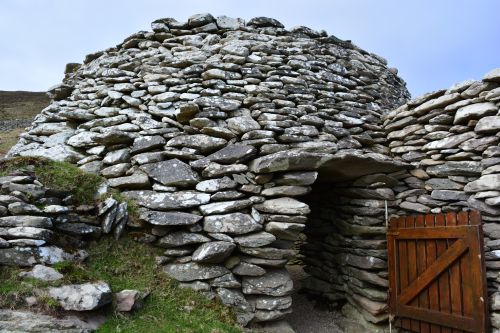
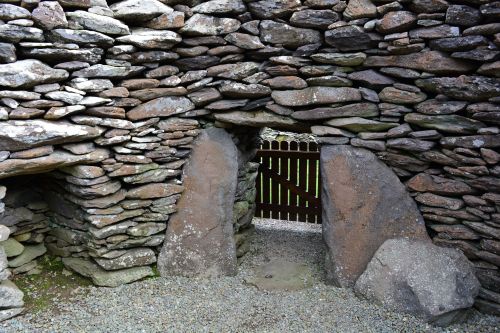
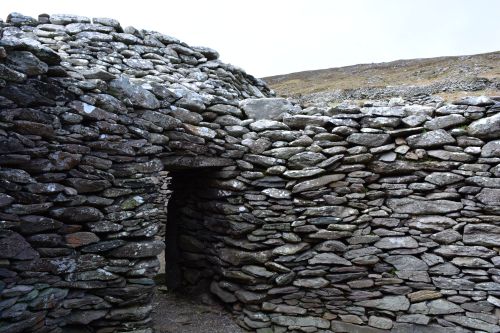
3. Architecture & ConstructionClochán Form
Settlement Structure
Comparative Architecture
4. Function & Daily LifeDomestic Use
Monastic or Hermitic Use
Agricultural & Storage Use
Defensive Context
5. Archaeological InterpretationWhy So Many Huts?
Preservation Challenges
19th‑Century Documentation
6. The Fahan Group in Wider ContextConnections to Skellig Michael
Comparisons with Other Irish Clocháin
7. Modern Visitor Experience
8. Why the Fahan Huts MatterThe Fahan clocháin are a rare survival of:
They are both humble and monumental — a testament to endurance, adaptation, and the ingenuity of dry‑stone construction.
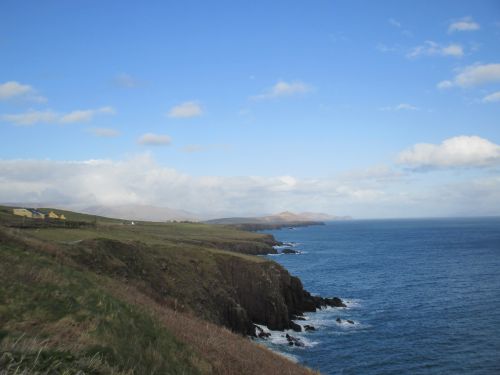
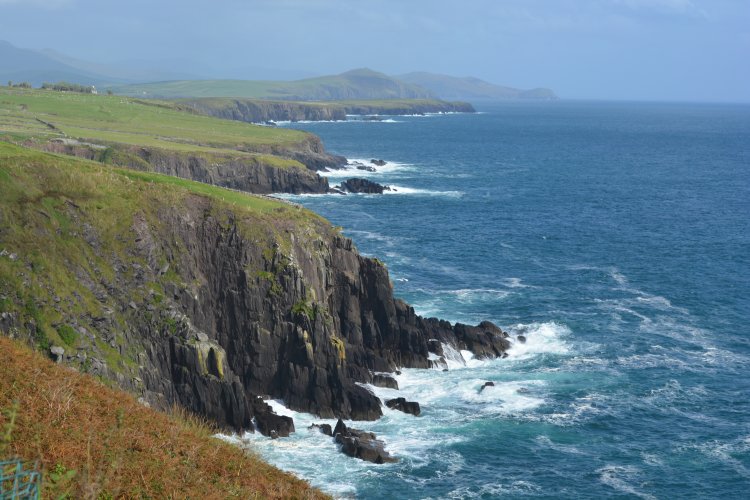
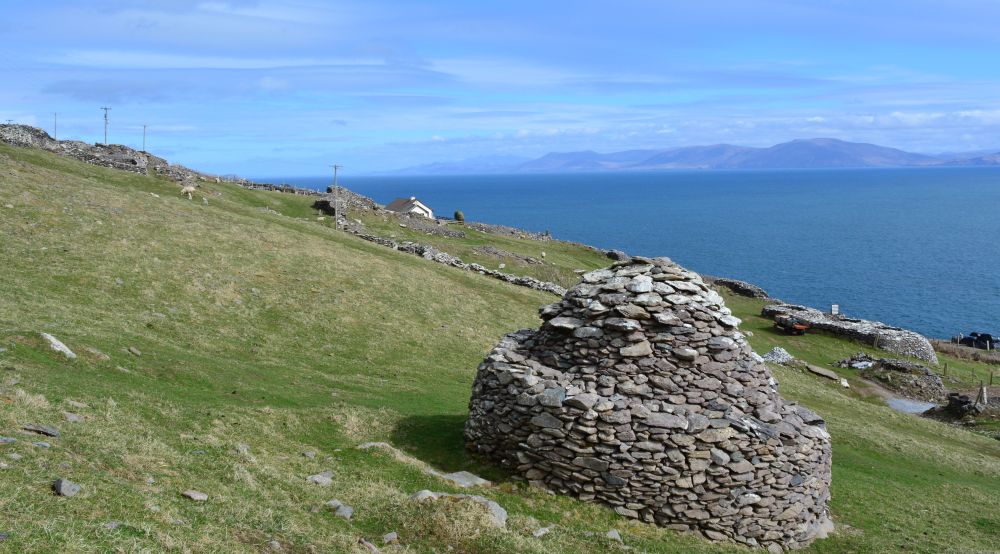
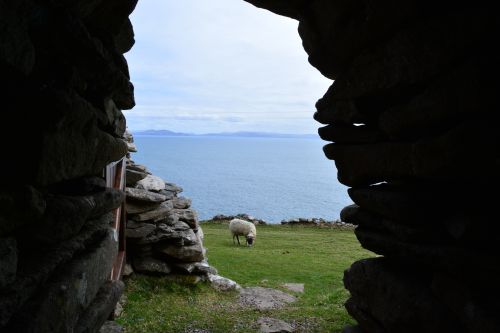
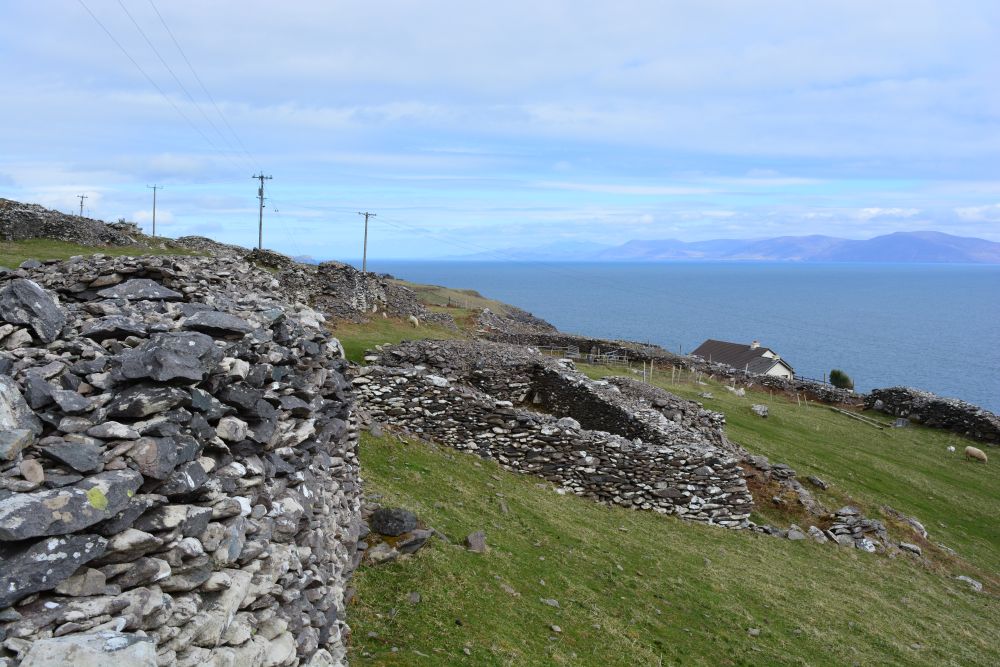
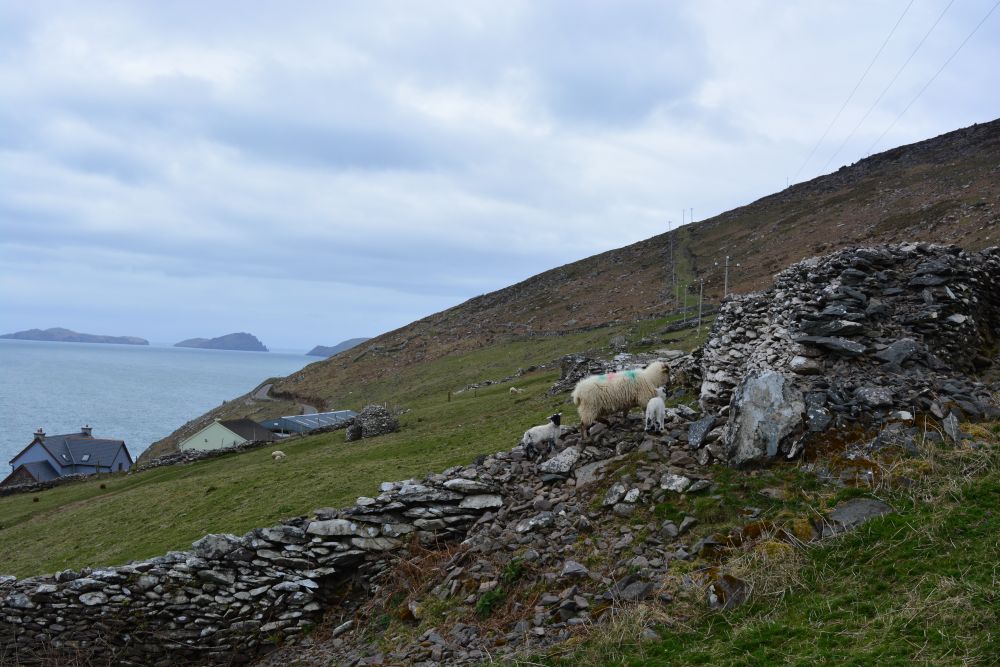
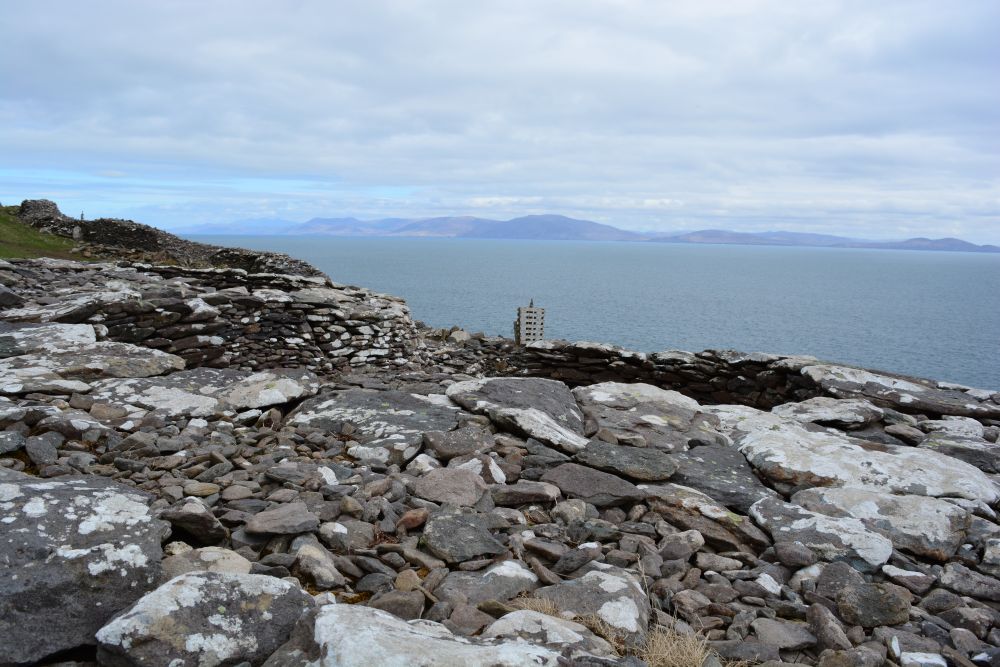
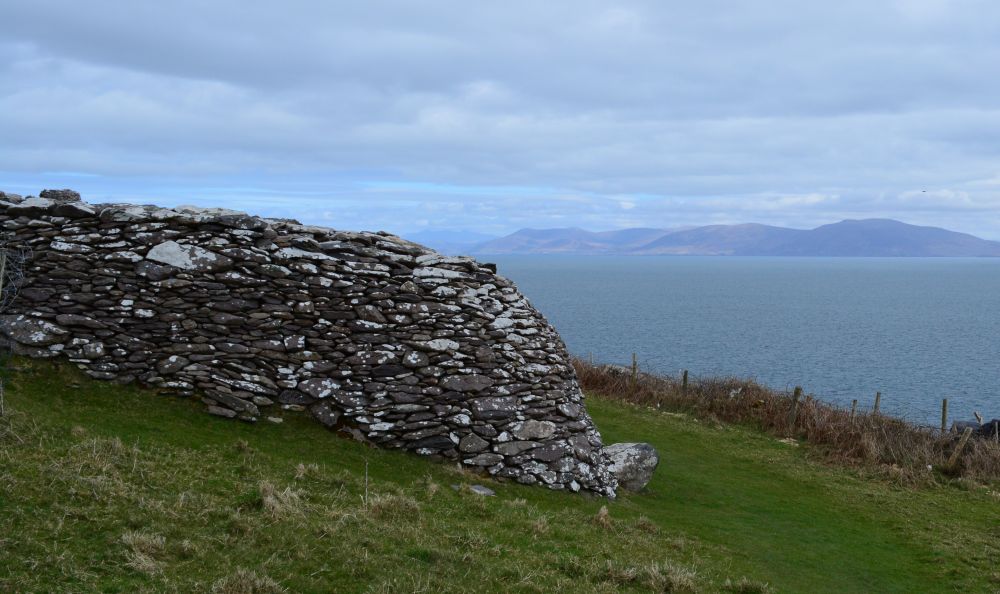
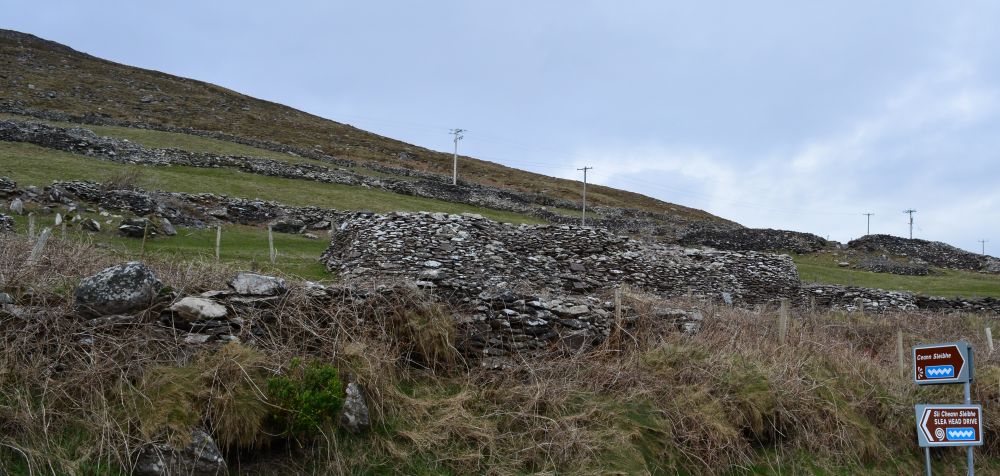
View of the coast from below the Fahan beehive huts.
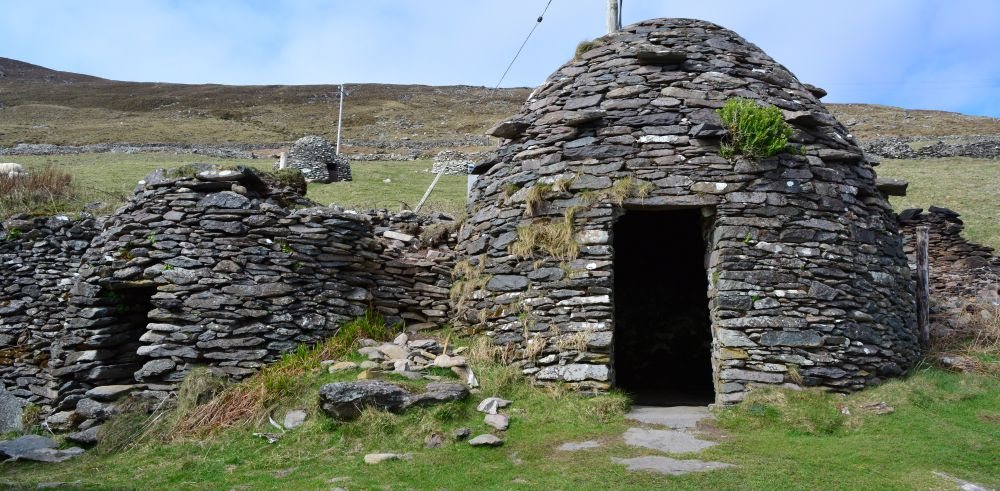
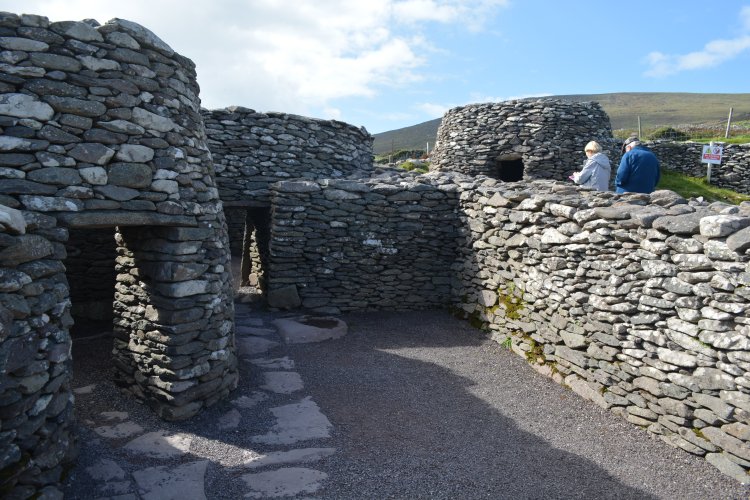
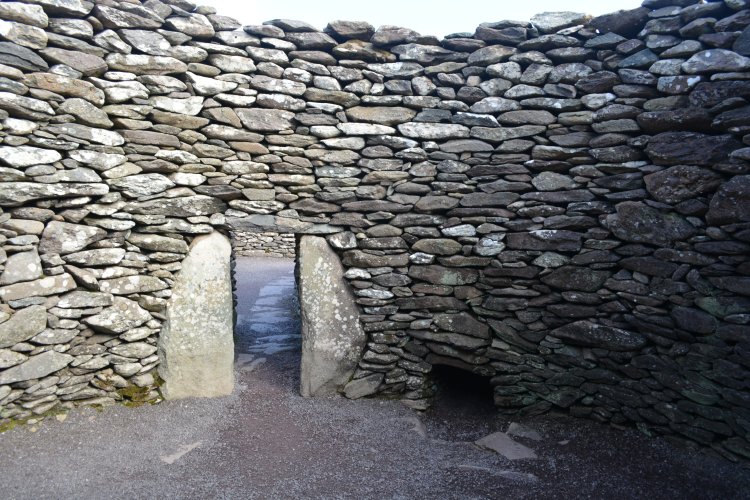
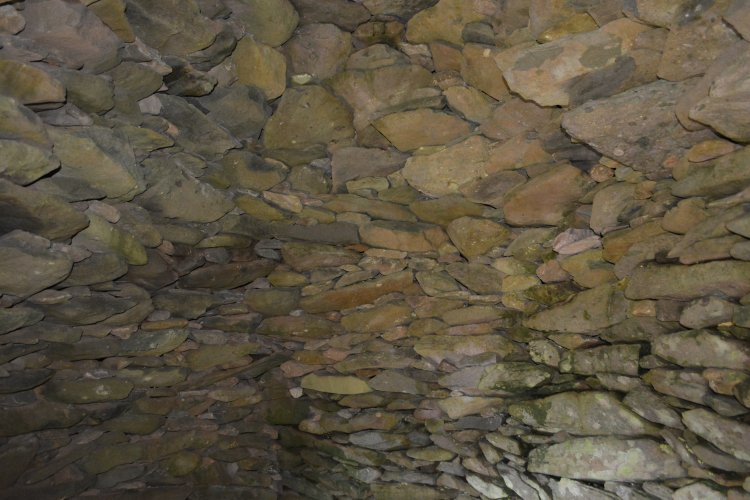
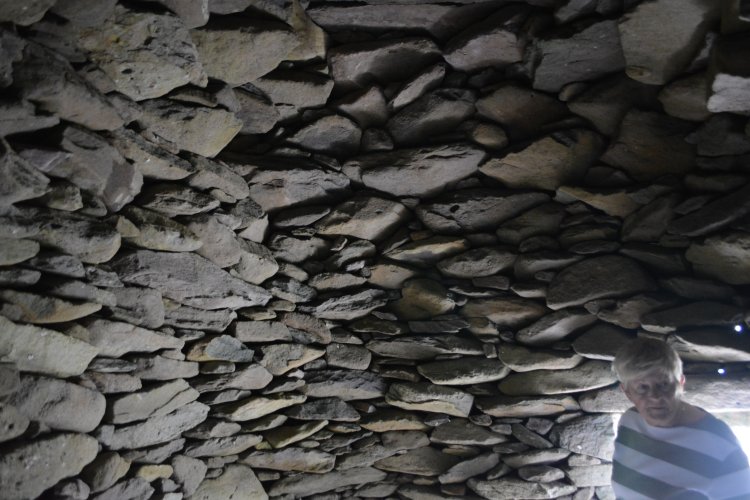
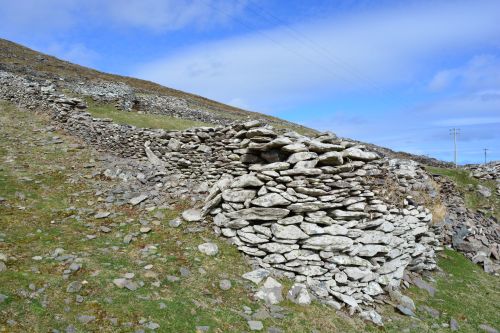
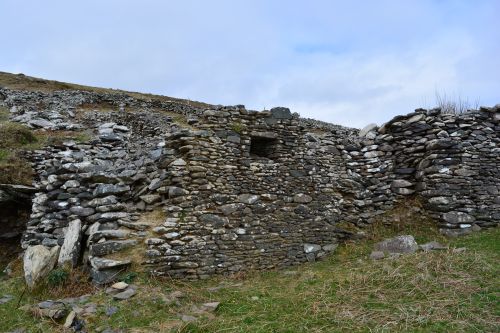
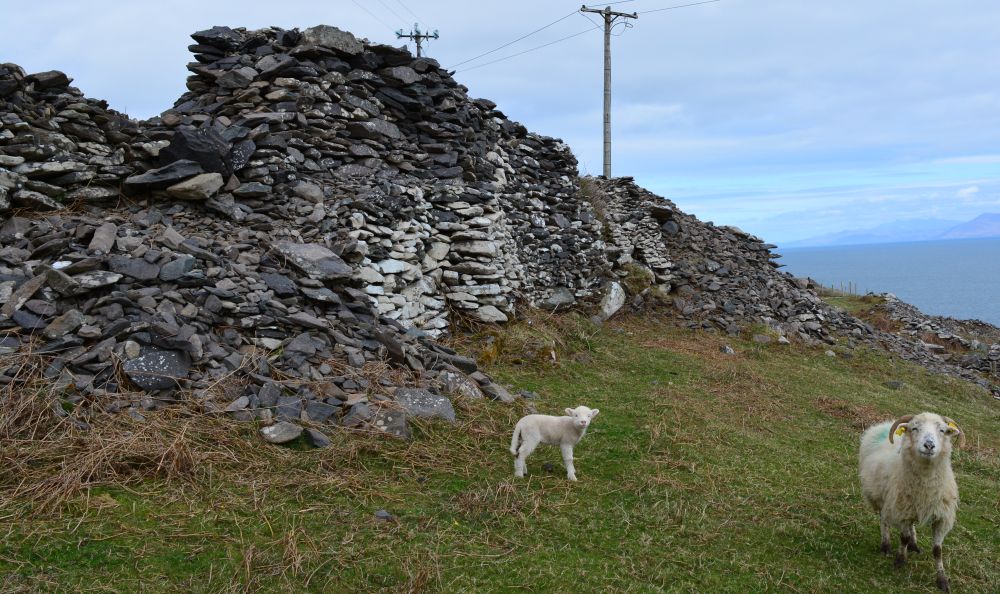
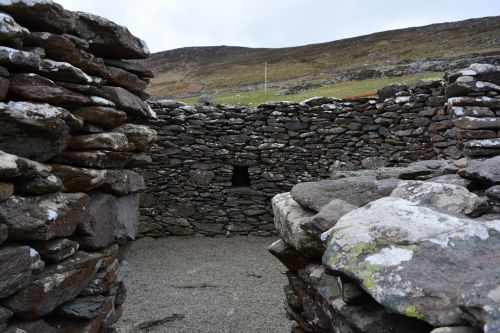
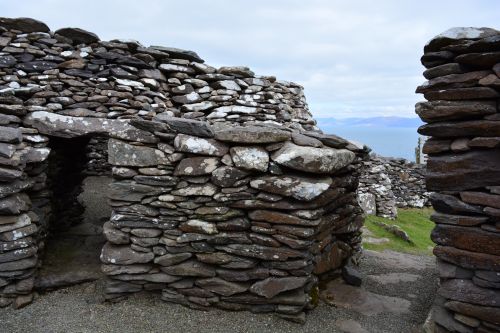
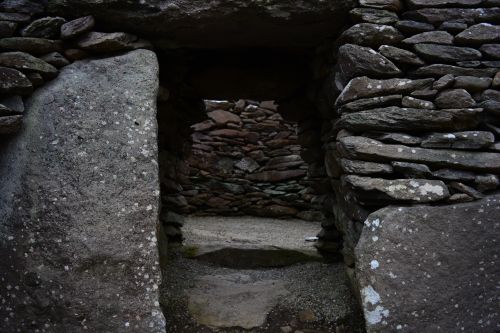
Examples of the corbelling of the
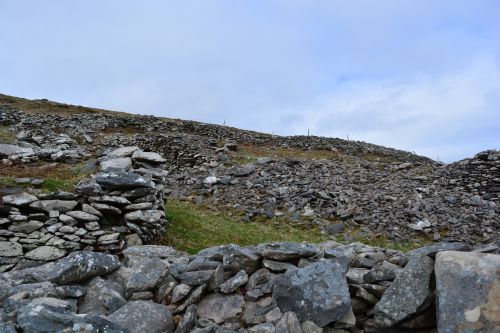
The eastern? beehive huts of the Fahan Group
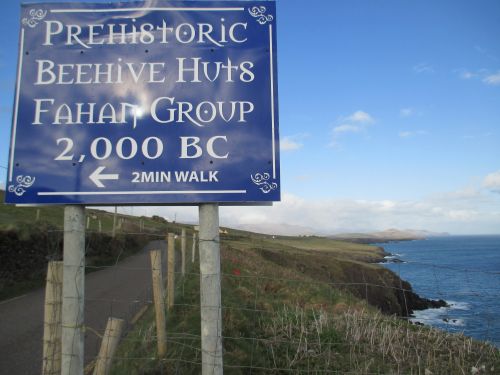
Just further along west of Ventry are the famous prehistoric beehive huts at Fahan.
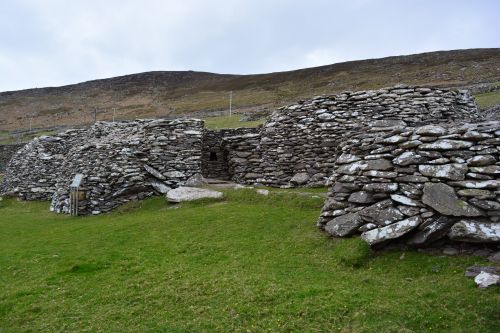
The beehive huts at the Fahan settlement date from the 5th century AD.
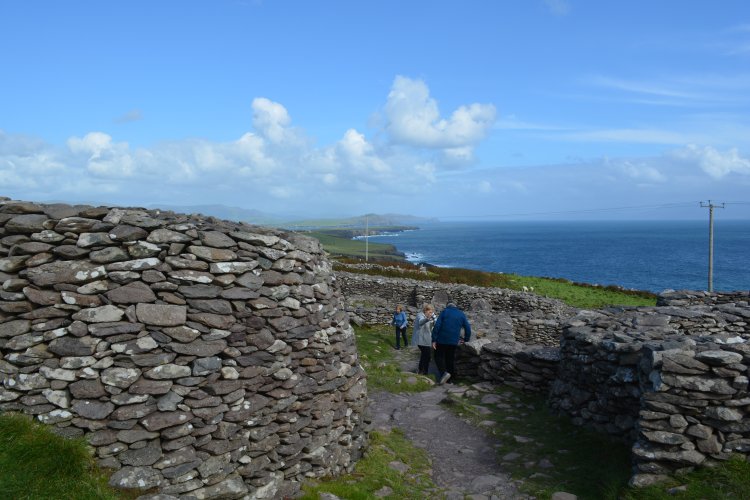
The corbelled structure of the dry stone walls.
Irish holiday tour docspics photos images pics photographs pictures © Phil Brown * Irish holiday tours, touring in Ireland, top tourist attractions, tourism information, luxury hotels, self-catering holiday cottages, airbnb air b and b air B&B accommodation, historic towns & cities in Ireland archaeological sites, museums, cheap flights, get there by flying of Ferry, Irish Ferries, Stena Line, Ryanair Travel, dining out in Ireland, good food guide to Ireland, top Irish restaurants, Irish coach tours, weekend breaks trips to Ireland docspics images photos of Ventry Beach © Phil Brown Tourist information on Ventry Beach, Walks near Ventry Beach, Having holidays near Ventry Beach, Ireland, Top tourist attractions near Ventry Beach, luxury hotels near Ventry Beach, self-catering holiday cottages near Ventry Beach, airbnb air B and B near Ventry Beach, good B&B near Ventry Beach, friendly pubs near Ventry Beach, cafes near Ventry Beach, eating out in fine restaurants near Ventry Beach, weekend breaks near Ventry Beach, wining & dining weekends near Ventry Beach, walking holidays around Ventry Beach, touring coach tours including Ventry Beach, pretty villages near Ventry Beach, historic towns and pretty village near Ventry Beach, museums near Ventry Beach, local art galleries near Ventry Beach, guided walks from Ventry Beach, excellent fell hill walking around Ventry Beach, rambling near Ventry Beach, exploring the landscape near Ventry Beach, good places to eat near Ventry Beach, tourist attractions near Ventry Beach, tourist information for places near Ventry Beach, good places for wining and dining near Ventry Beach, good walks near Ventry Beach, properties for sale near Ventry Beach, renting a flat or house near Ventry Beach, property for rent near Ventry Beach, houses for sale near Ventry Beach, lettings near Ventry Beach, places to rent near Ventry Beach, holiday cottage accommodation near Ventry Beach docspics images photos of Fahan beehive huts, Dingle Peninsula © Phil Brown Tourist information on Fahan beehive huts, Dingle Peninsula, Walks near Fahan beehive huts, Dingle Peninsula, Having holidays near Fahan beehive huts, Dingle Peninsula, Ireland, Top tourist attractions near Fahan beehive huts, Dingle Peninsula, luxury hotels near Fahan beehive huts, Dingle Peninsula, self-catering holiday cottages near Fahan beehive huts, Dingle Peninsula, airbnb air B and B near Fahan beehive huts, Dingle Peninsula, good B&B near Fahan beehive huts, Dingle Peninsula, friendly pubs near Fahan beehive huts, Dingle Peninsula, cafes near Fahan beehive huts, Dingle Peninsula, eating out in fine restaurants near Fahan beehive huts, Dingle Peninsula, weekend breaks near Fahan beehive huts, Dingle Peninsula, wining & dining weekends near Fahan beehive huts, Dingle Peninsula, walking holidays around Fahan beehive huts, Dingle Peninsula, touring coach tours including Fahan beehive huts, Dingle Peninsula, pretty villages near Fahan beehive huts, Dingle Peninsula, historic towns and pretty village near Fahan beehive huts, Dingle Peninsula, museums near Fahan beehive huts, Dingle Peninsula, local art galleries near Fahan beehive huts, Dingle Peninsula, guided walks from Fahan beehive huts, Dingle Peninsula, excellent fell hill walking around Fahan beehive huts, Dingle Peninsula, rambling near Fahan beehive huts, Dingle Peninsula, exploring the landscape near Fahan beehive huts, Dingle Peninsula, good places to eat near Fahan beehive huts, Dingle Peninsula, tourist attractions near Fahan beehive huts, Dingle Peninsula, tourist information for places near Fahan beehive huts, Dingle Peninsula, good places for wining and dining near Fahan beehive huts, Dingle Peninsula, good walks near Fahan beehive huts, Dingle Peninsula, properties for sale near Fahan beehive huts, Dingle Peninsula, renting a flat or house near Fahan beehive huts, Dingle Peninsula, property for rent near Fahan beehive huts, Dingle Peninsula, houses for sale near Fahan beehive huts, Dingle Peninsula, lettings near Fahan beehive huts, Dingle Peninsula, places to rent near Fahan beehive huts, Dingle Peninsula, holiday cottage accommodation near Fahan beehive huts, Dingle Peninsula |









 |
 |
 |
 |
 |
 |
 |
 |
 |
 |
 |
 |
 |
 |
 |
 |
 |
 |
|
 Enter place, heritage site, feature, walk, town, village, city, museum, historic building,
mountain, island, anything of interest in Ireland!
Enter place, heritage site, feature, walk, town, village, city, museum, historic building,
mountain, island, anything of interest in Ireland! |