SEARCH Doc's Pic's IRISH picture pages

29b. Waterford (3) The Two Cathedrals of Waterford and the Franciscan Friary Church

SCENES from IRELAND - County Waterford

[Author and photographer © Dr Phil Brown PhD plus notes help from AI these days, page updated May 20th 2026]

Has two great cathedrals, the Anglican Christ Church dates back to Strongbow and the Norman times of Waterford Town, the RC Holy Trinity church dates from much more recent times.

Email: chem55555@hotmail.com

Christ Church Cathedral  *  Holy Trinity Cathedral  *  Franciscan Friary Church


Church of Ireland CHRIST CHURCH CATHEDRAL

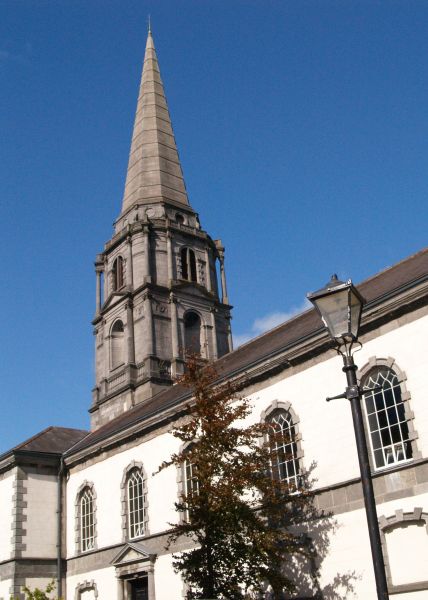
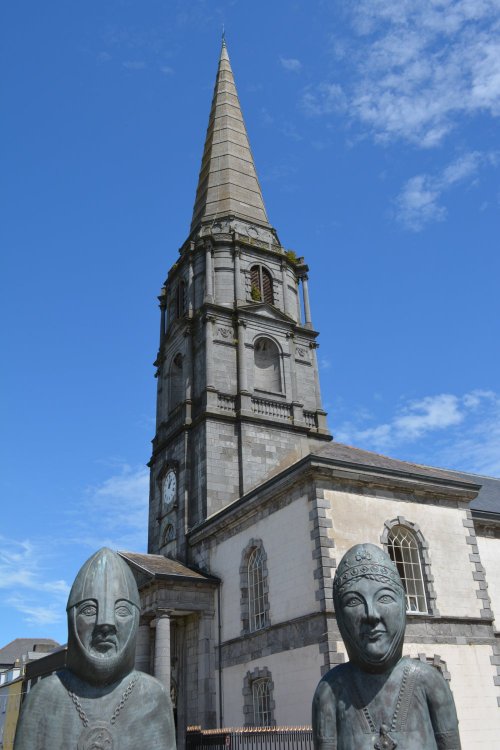
The might tower and spire of Christ Church Cathedral, Waterford - Scenes around Waterford Town, County Waterford, Ireland 

The tower and spire of Christ Church Cathedral

* Doc Brown's Science Website biology chemistry physics *

Christ Church Cathedral has been a place of Christian worship for over a 1000 years.

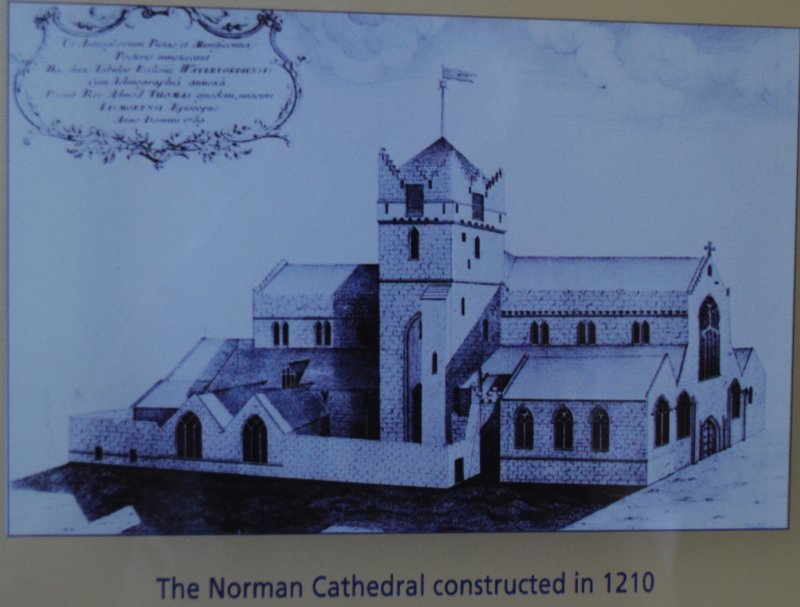
An old print of the original medieval Christ Church Cathedral Waterford

An old print of the original medieval Christ Church Cathedral Waterford

Christ Church Waterford

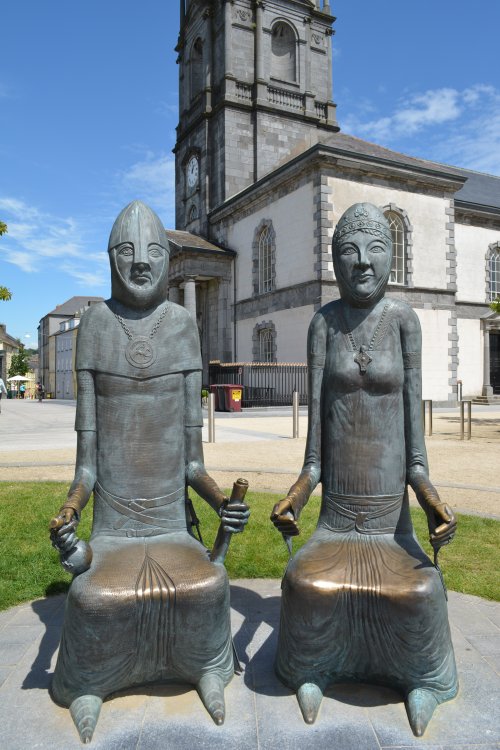
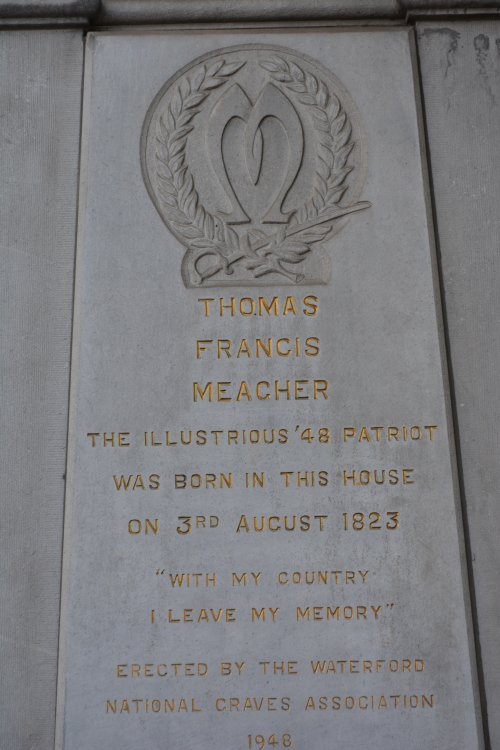
The sculpture of Strongbow (Earl of Pembroke) and Aoife (married in Christ Church Cathedral in August 1170), Waterford Ireland Memorial plaque to Thomas Meagher on a house near Christ Church Cathedral, Waterford, Ireland

Left: The sculpture of Strongbow (Earl of Pembroke) and Aoife (married in Christ Church Cathedral in August 1170)

Right: Memorial plaque to Thomas Meagher on a house near Christ Church Cathedral, Waterford

The story of Strongbow (Earl of Pembroke) and Aoife in the history of Waterford, Ireland

The story of Strongbow (Earl of Pembroke) and Aoife in the history of Waterford, Ireland


Christ Church Cathedral in Waterford is one of Ireland’s most historically significant churches, with origins in the Viking era (c.1050), the famous 1170 marriage of Strongbow and Aoife, a Gothic cathedral built by the Normans in 1210, and the current Georgian building completed in 1779. It has been the spiritual and civic heart of Waterford for nearly a millennium.


Viking & Early Christian Foundations

  • The site was first used for Christian worship around 1050, when the Vikings of Waterford—originally pagan settlers—had converted to Christianity.
  • The cathedral’s proper name is the Cathedral of the Holy and Undivided Trinity, though “Christ Church” derives from a Scandinavian term meaning “head church”.
  • In 1096, Waterford became a diocese when Malchus, a Benedictine monk, was consecrated bishop in Canterbury. Christ Church became the cathedral of this new diocese.

The Strongbow and Aoife Marriage (1170)

  • One of the most famous events in Irish history occurred here: the marriage of Richard de Clare (Strongbow), the Anglo-Norman knight, to Aoife MacMurrough, daughter of Diarmait Mac Murchada, King of Leinster.
  • This marriage symbolized the Anglo-Norman conquest of Ireland and marked the end of the Viking era in Waterford.

The original Norman Gothic Christ Church Cathedral, Waterford (1210)

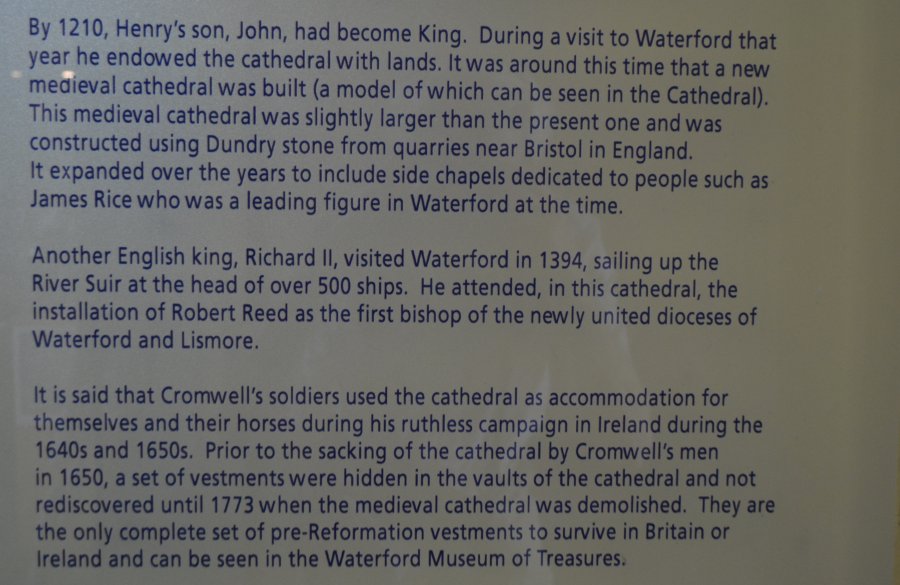
  • After the Norman takeover, a Gothic-style cathedral was built on the site in 1210.
  • This medieval cathedral stood for centuries, serving as the religious and civic centre of Waterford.
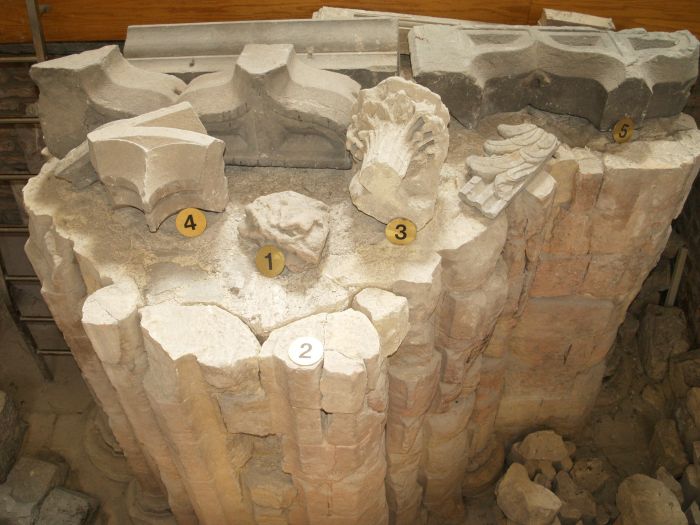
  • Elements of the Gothic building, including a pillar, survive within the current cathedral.

Georgian Rebuilding of Christ Church Cathedral, Waterford(18th Century)

  • By the 18th century, the Gothic cathedral was considered outdated. The Waterford Corporation recommended a new building.
  • The current cathedral was designed by John Roberts, Waterford’s most famous architect, who also designed the nearby Catholic Cathedral of the Most Holy Trinity.
  • Construction began in 1773 and was completed in 1779 (some sources say 1792).
  • The style is Georgian, with a light-filled interior, stucco plaster ceiling, and elegant proportions.

The Modern Christ Church Cathedral, Waterford

  • Today, Christ Church Cathedral remains part of the Church of Ireland, within the Diocese of Cashel and Ossory.
  • It hosts services, concerts, and cultural events throughout the year.
  • Highlights include:
    • Stucco plaster ceiling
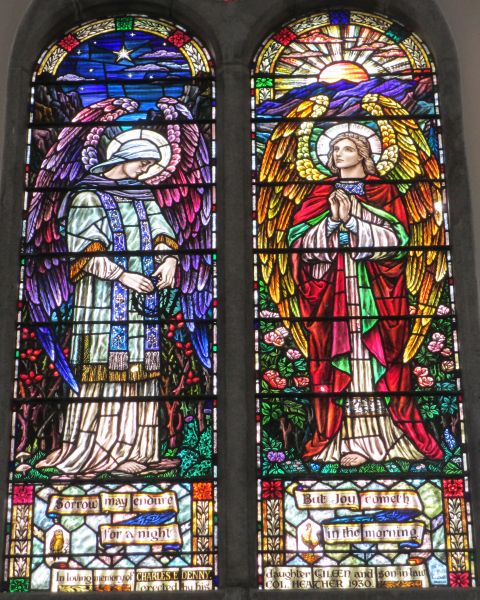
    • Elaborate stained glass window
    • Surviving pillar from the medieval cathedral

Timeline Summary of Christ Church Cathedral, Waterford

Year Event
~1050 Viking church dedicated to the Holy Trinity built
1096 Waterford becomes a diocese; Christ Church named cathedral
1170 Marriage of Strongbow & Aoife
1210 Gothic cathedral constructed by Normans
1773–1779 Georgian cathedral built by John Roberts
Present Active Church of Ireland cathedral, cultural venue

In summary: Christ Church Cathedral is a living monument to Waterford’s layered history—Viking settlement, Norman conquest, Georgian elegance, and modern worship. Its role in the Strongbow–Aoife marriage makes it one of the most important historic sites in Ireland.


Waterford Cathedrals  Looking west down the nave to the entrance to Christ Church Cathedral

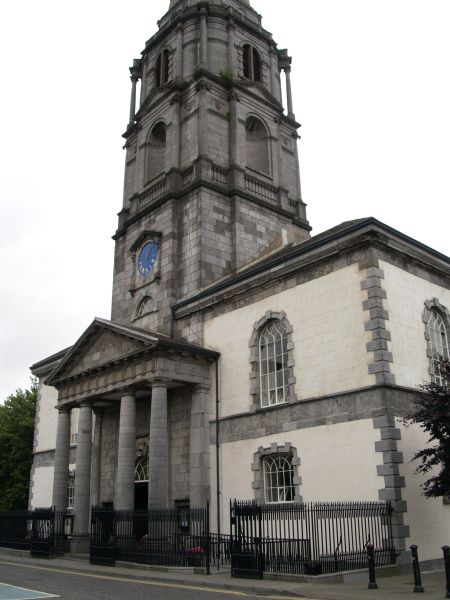
The tower and grand west entrance to Christ Church Cathedral, Waterford.

Looking west down the nave to the entrance to Christ Church Cathedral


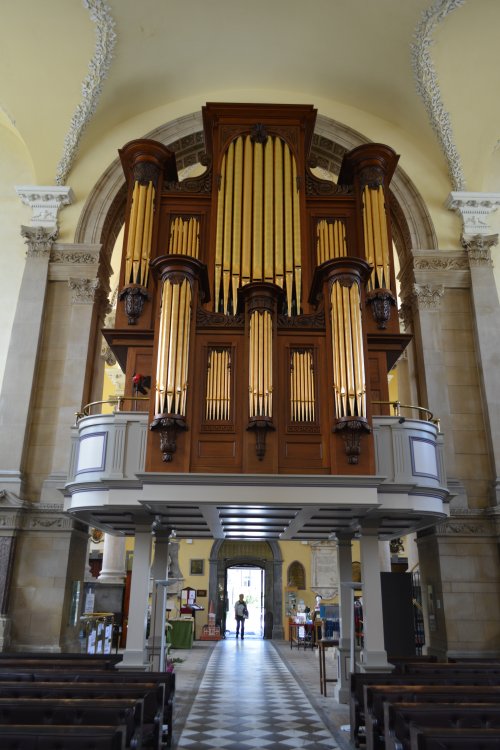
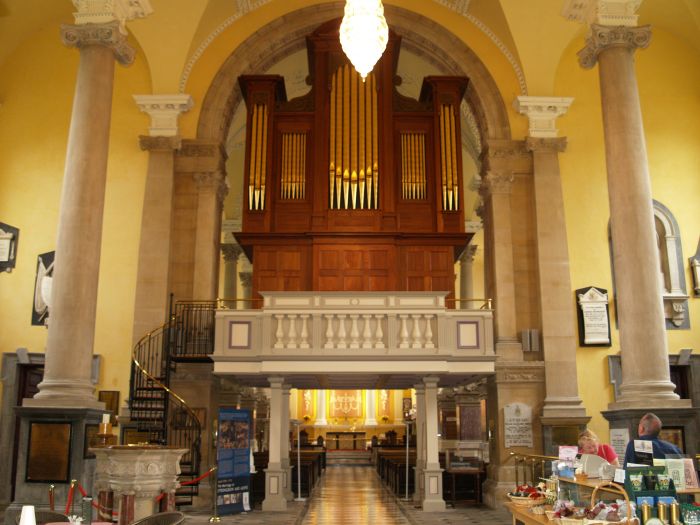
Looking east into the 'nave' and high altar beyond with the organ above the entrance to the main scene of worship, Chist Church Cathedral, Waterford, Ireland

Looking east into the 'nave' and high altar beyond with the organ above the entrance to the main scene of worship.

The current building is the third church on this site. The first was built by the Vikings in 1096 and was later the venue for the wedding of the English knight Strongbow (the Anglo-Norman Richard de Clare, Earl of Pembroke) and the Irish Princess, Aoife (daughter of the King of Leinster), in 1170. This union would change the course of Irish history for ever and ended the Viking era in Ireland. This was not a love match, this was a shrewd political and military alliance!

By 1210 the Normans had taken over Waterford and built a new medieval cathedral which expanded with side chapels over the next few hundred years. Unfortunately by the 18th century it was in quite a state of disrepair and in 1773 the Norman Gothic Cathedral was demolished and the present cathedral began. This 'Georgian' church was completed in 1779 from a design by local architect John Roberts

 PLEASE LEAVE A DONATION TO HELP WITH THE UPKEEP OF THIS BUILDING


Waterford Cathedrals

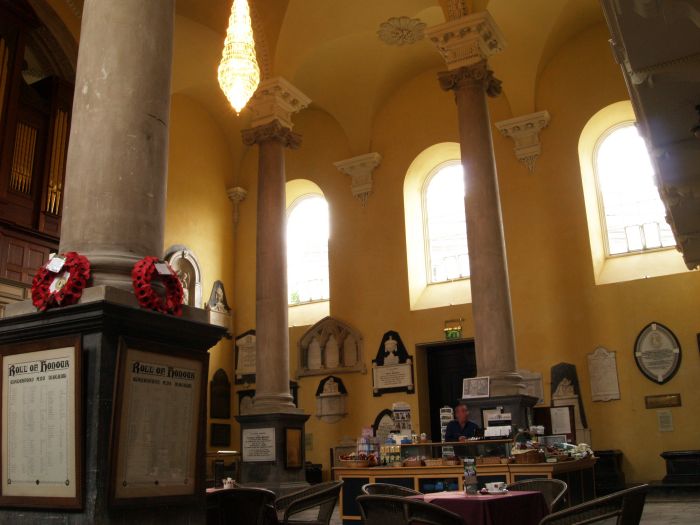
The west entrance area, via the main west door entrance is full of memorials and a place to have a quiet cup of tea, coffee and snack! This is the first impressive part you see of this fine Neo-Classical Georgian building of the late 18th century.


The Fitzgerald memorial monument Christ Church Waterford Christ Church Waterford

The Fitzgerald memorial monument

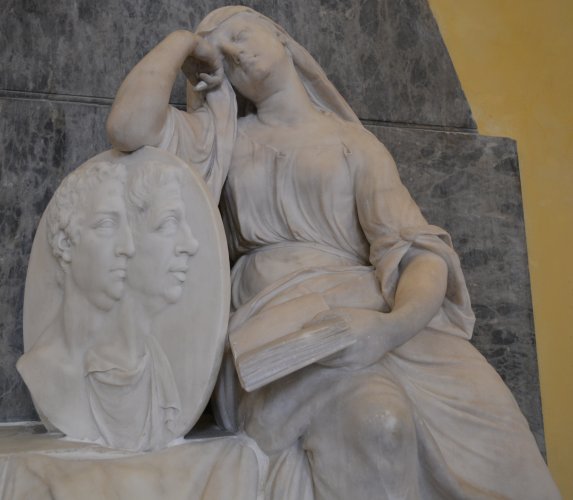
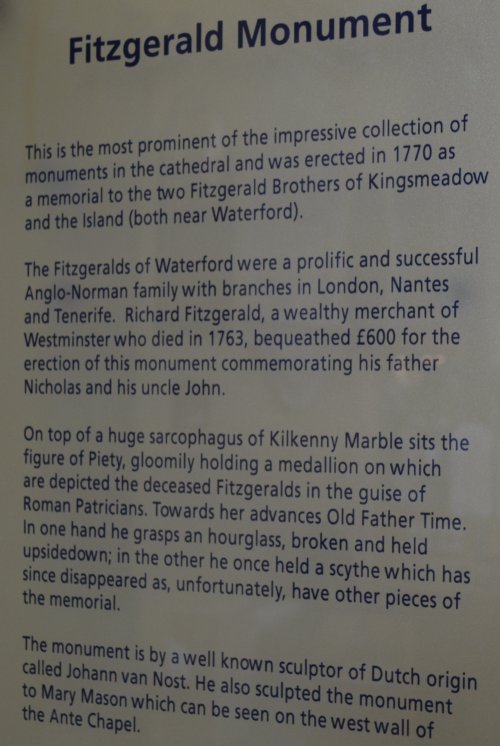
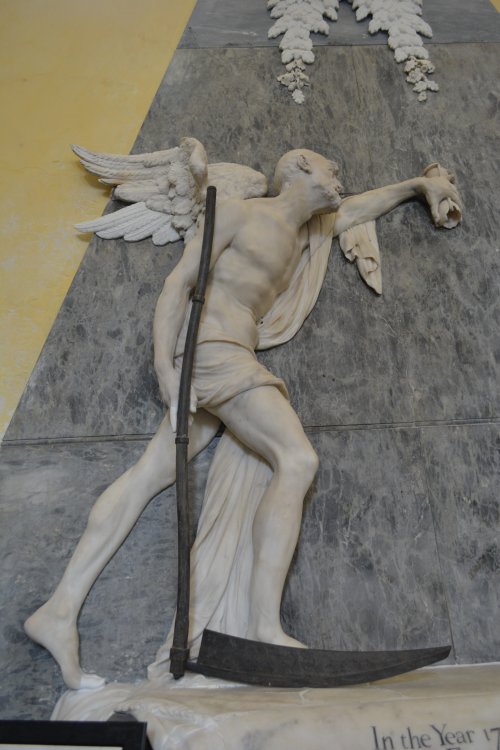
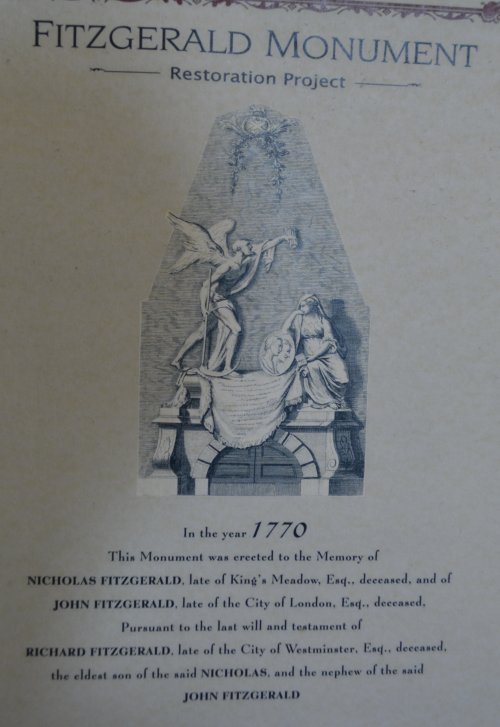
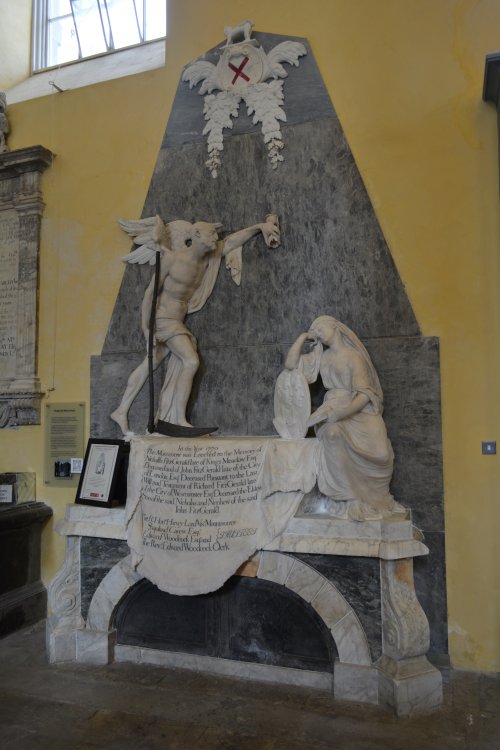
The Fitzgerald Memorial (monument) in Christ Church Cathedral, Waterford, is an elaborate funerary monument erected in 1770 to commemorate the Fitzgerald family, who had an 800‑year presence in Waterford. Designed by the sculptor John van Nost the Younger, it combines classical, Italianate, and Netherlandish influences, featuring allegorical figures of Piety and Father Time.


Historical Context of the Fitzgerald Memorial (monument)

  • The Fitzgerald family were one of Waterford’s most prominent dynasties, residing on The Island (now Waterford Castle Hotel) for centuries.

  • Their influence stretched across civic, military, and social life in Waterford.

  • The memorial was commissioned to honour deceased members of the family and to assert their enduring legacy in the city.


Artistic Design of the Fitzgerald Memorial (monument)

  • Date: Erected in 1770.

  • Sculptor: John van Nost the Younger, regarded as one of the most skilled statuary artists in Ireland at the time.

  • Style: A blend of Netherlandish realism, Italianate idealisation, and classical motifs.

  • Materials: Kilkenny marble sarcophagus, with sculpted figures in high relief.


Symbolism & Features of the Fitzgerald Memorial (monument)

  • Figure of Piety: Seated on the sarcophagus, holding a medallion that depicts the Fitzgeralds as Roman patricians, emphasizing dignity and lineage.

  • Father Time: Advancing toward Piety, carrying a scythe and a broken hourglass, symbolizing the inevitability of death and the passage of time.

  • Sarcophagus: Crafted from Kilkenny marble, a material associated with permanence and prestige.

  • Allegorical Theme: The monument reflects Enlightenment-era funerary art, where classical allegories conveyed moral lessons about mortality and virtue.


Significance of the Fitzgerald Memorial (monument)

  • The memorial is considered one of the finest examples of 18th‑century funerary sculpture in Ireland.

  • It highlights the Fitzgeralds’ social prominence and their desire to be remembered in a civic and religious context.

  • It also demonstrates the Georgian taste for classical allegory, blending art, faith, and family prestige.


Quick Facts Table about Fitzgerald Memorial (monument)

Feature

Details

Date

1770

Artist

John van Nost the Younger

Material

Kilkenny marble

Figures

Piety (with medallion), Father Time (scythe & broken hourglass)

Style

Classical, Italianate, Netherlandish

Family

Fitzgeralds of Waterford (800‑year presence)

Location

Christ Church Cathedral, Waterford


In summary: The Fitzgerald Memorial is not just a family monument but a masterpiece of Georgian funerary art, symbolizing mortality, virtue, and the enduring legacy of one of Waterford’s most influential dynasties.

Would you like me to also trace the Fitzgerald family’s role in Waterford history (their castle, civic influence, and decline), to place the memorial in a broader social context?


Waterford Cathedrals

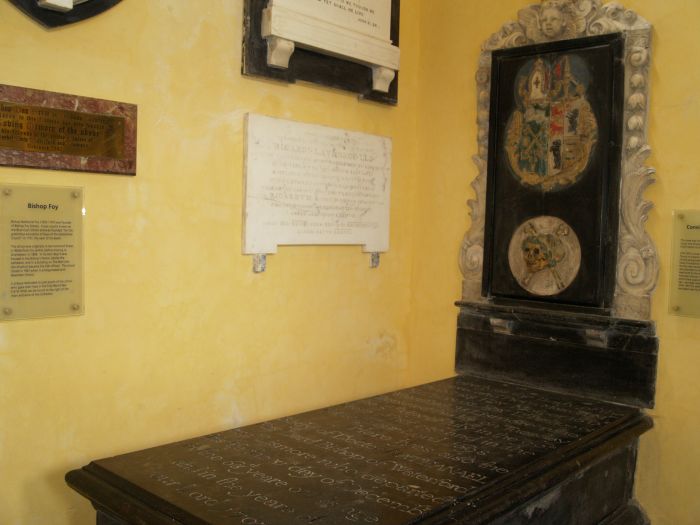
Part of a medieval 'memorial' tombstone in amongst the grand Georgian memorial tablets!


Waterford Cathedrals

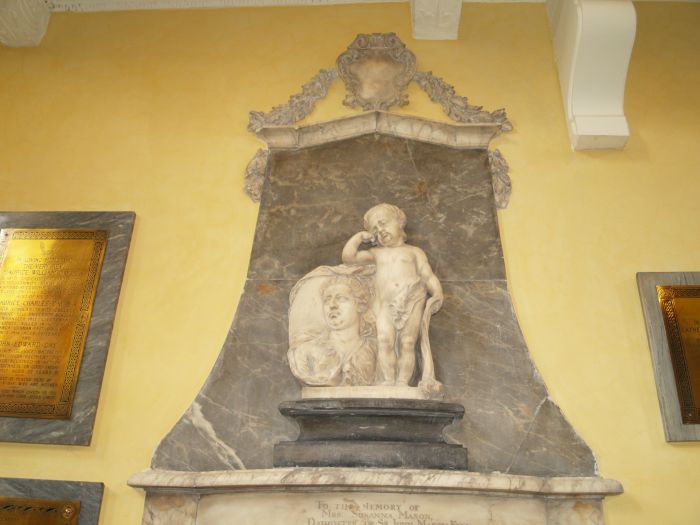
The memorial to Susanna Mason whose grandfather had witnessed the Cromwellian occupation of Waterford when the Cathedral was used as a barracks! She ran a well-known girls school in 18th century Waterford.


Waterford Cathedrals

The memorial to Bishop Foy the founder of the Bishop Foy School which produced many distinguished scholars.


Waterford Cathedrals

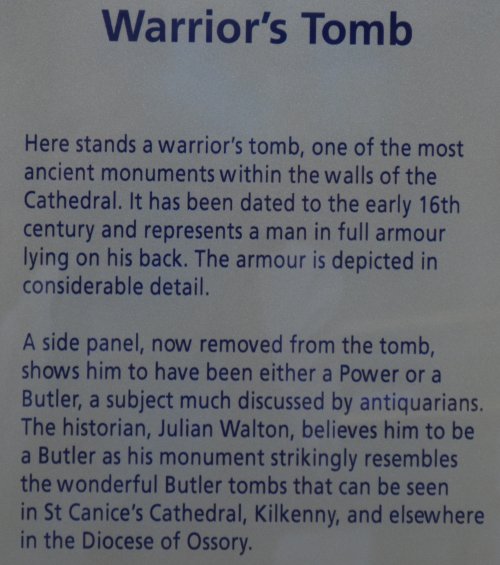
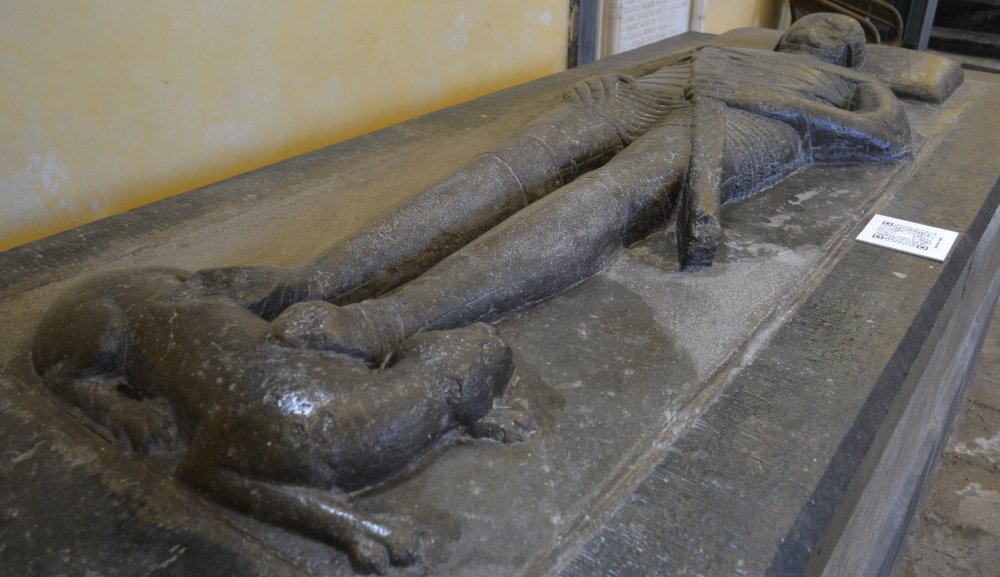
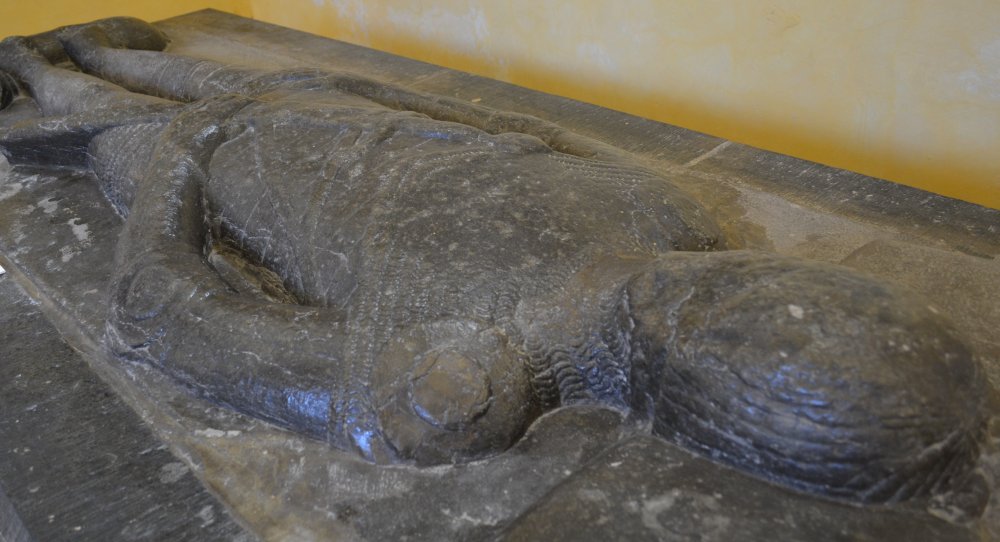
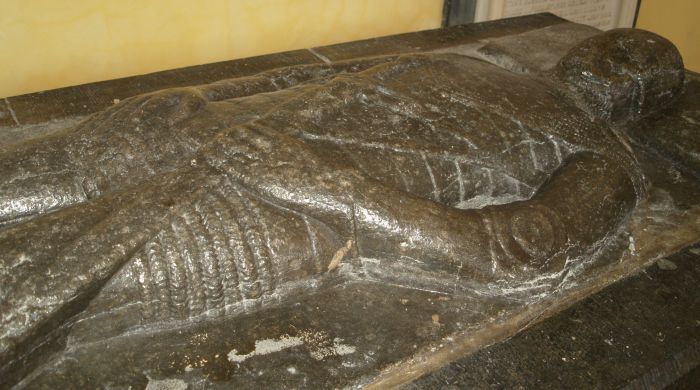
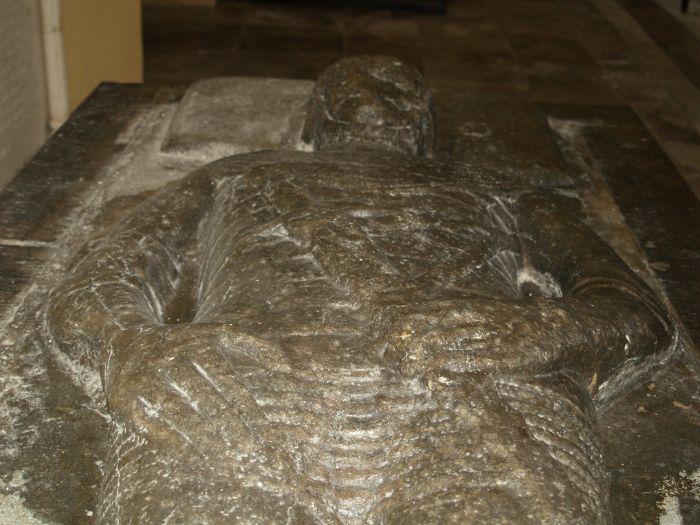
The 'Warriors Tomb' which dates from the early 16th century. It depicts in some fine detail, a man in full armour lying on his back. The knight was a member of the powerful Power or Butler family.


Waterford Cathedrals

Details of the 'Warriors Tomb'

Waterford Cathedrals

The dog at the feet of the 'Warrior'


Waterford Cathedrals

The chest and head of the 'Warrior'


Waterford Cathedrals

The base of a pillar from the Norman Cathedral with other fragments from the medieval church.


A fine stained glass windows of Christ Church Cathedral, Waterford, the A.E. Child stained glass window 'Joy and Sorrow' Ireland

One of the fine stained glass windows of Christ Church Cathedral, Waterford. This is the A.E. Child stained glass window 'Joy and Sorrow'.


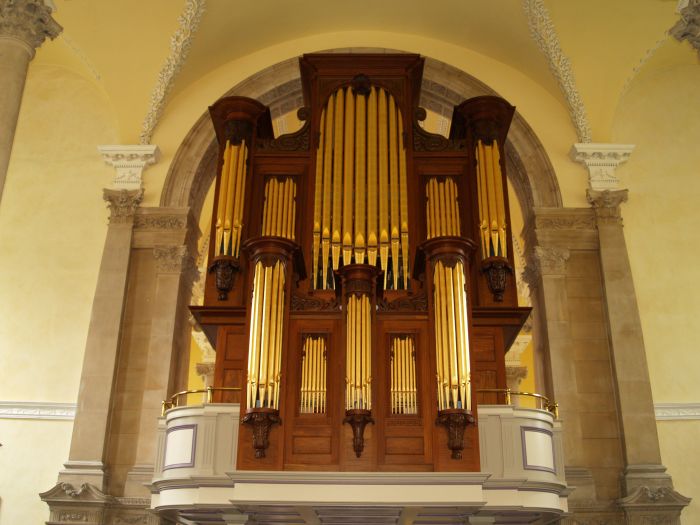
The splendid restored Elliot organ, Christ Church Cathedral, Waterford.

The splendid restored Elliot organ, Christ Church Cathedral, Waterford.


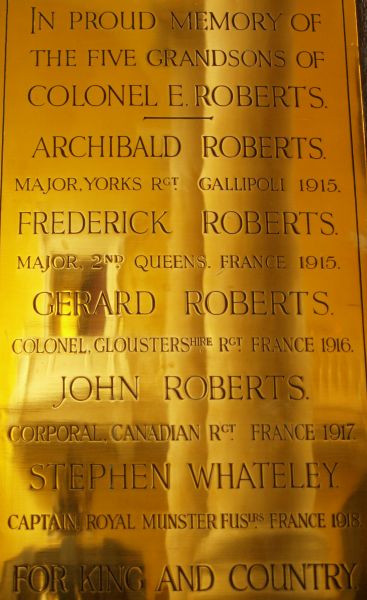
Roberts 1914-1918 War Memorial First World War brass memorial plaque to deaths of five grandsons of Colonel E. Roberts and death of a great grandson in World War Two. Indeed, Fortuna Desperata, for this tragic family loss Christ Church Cathedral, Waterford, Ireland

The Roberts 1914-1918 War Memorial is a First World War brass memorial plaque to the deaths of five grandsons of Colonel E. Roberts and the death of a great grandson in World War Two. Indeed, Fortuna Desperata, for this tragic family loss.


The Fitzgerald Memorial, Christ Church Cathedral, Waterford, Ireland

The Fitzgerald Memorial. The family is associated with Waterford's 'the Island' where their home still is in the form of Waterford Castle Hotel. The figure of Piety gloomily holding a medallion on which are depicted the deceased Fitzgeralds in the guise of Roman patricians. Towards her advances Old Father Time grasping an hour glass, broken and held upside down.


Details from the Fitzgerald Memorial.


Waterford Cathedrals

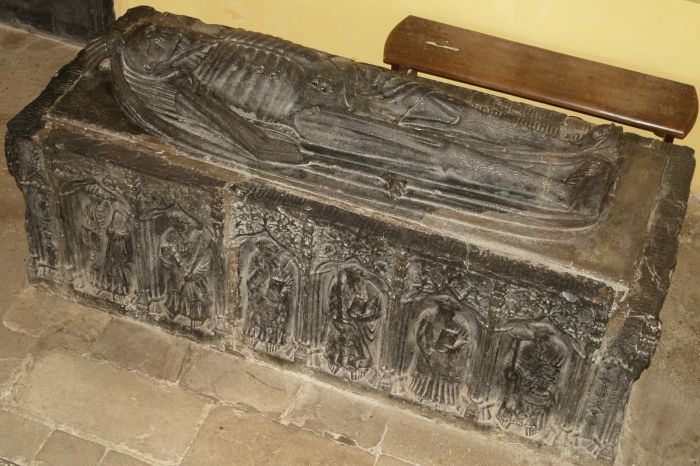
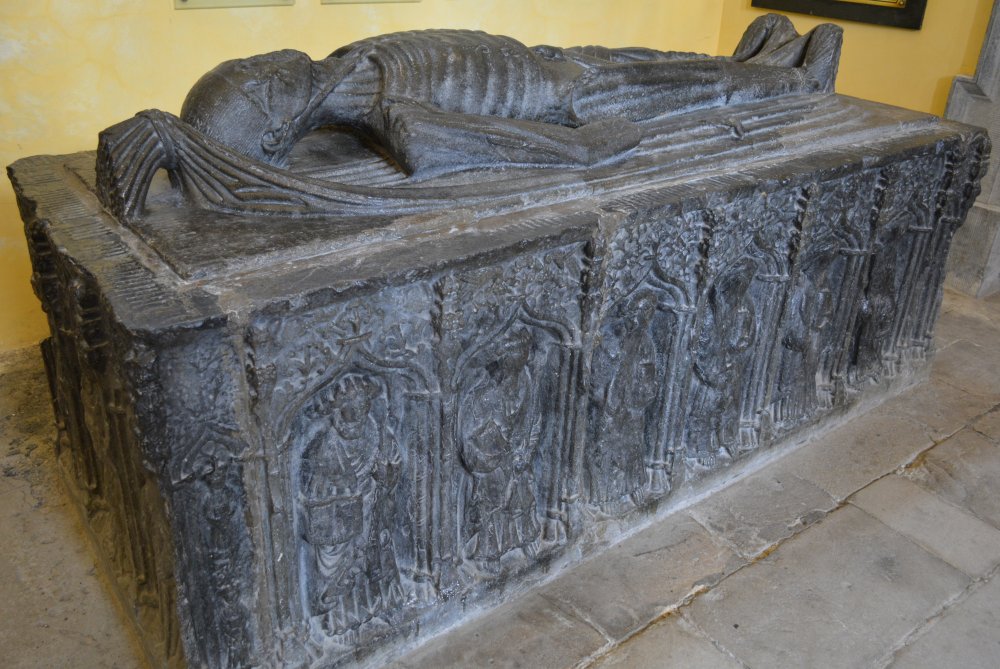
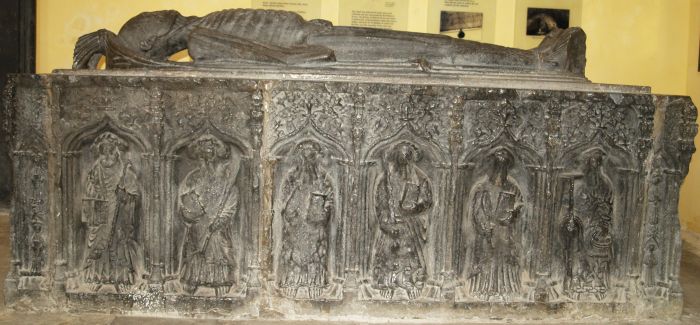
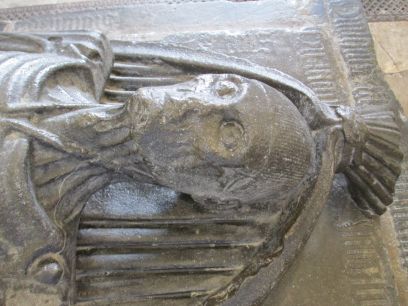
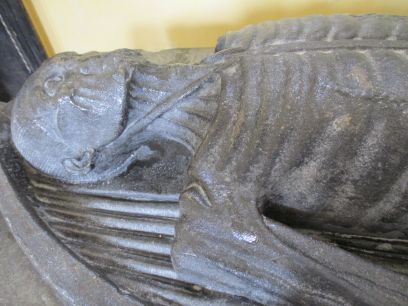
The richly carved cadaver tomb of James Rice who was Mayor of Waterford several times in the 15th century.

The richly carved cadaver tomb of James Rice who was Mayor of Waterford several times in the 15th century, Christ Church Cathedral, Waterford, Ireland

Waterford Cathedrals


Waterford Cathedrals

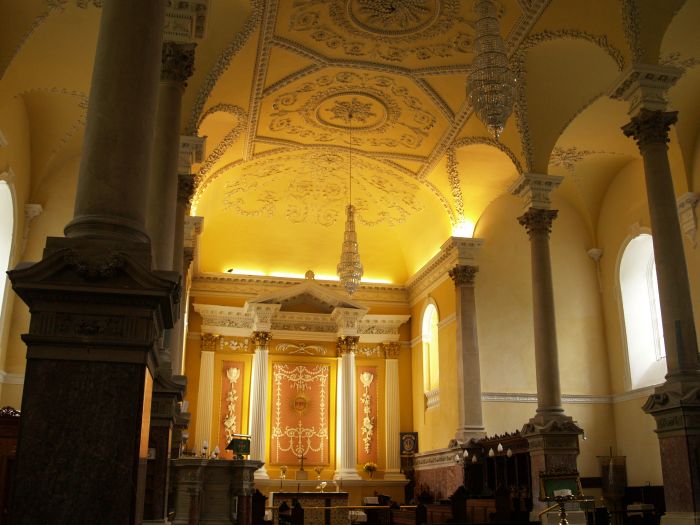
The fine columns flank the aisle of the nave up to the altar.


Waterford Cathedrals

Some of the stunning stucco plasterwork on the ceiling of a style you would see in many 18th century palaces and stately homes of Europe.


Waterford Cathedrals

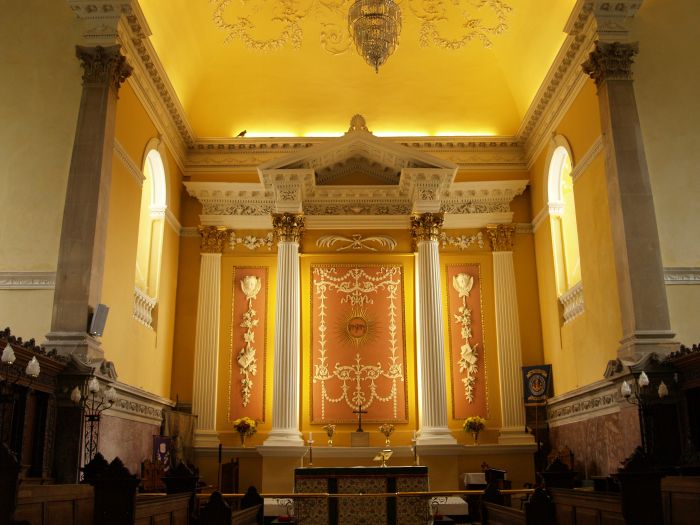
The altar beyond to massive classical columns.


Waterford Cathedrals

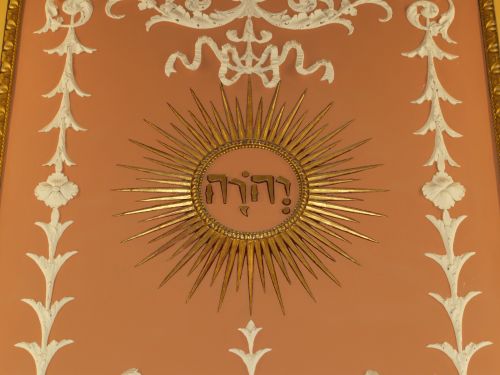
Above the altar is the Hebrew inscription YHWH, the Tetragrammaton, the title of God in four Hebrew letters. This stands for Yahweh or Jehovah and is read from right to left - a reminder of Jewish roots of Christianity.


Waterford Cathedrals

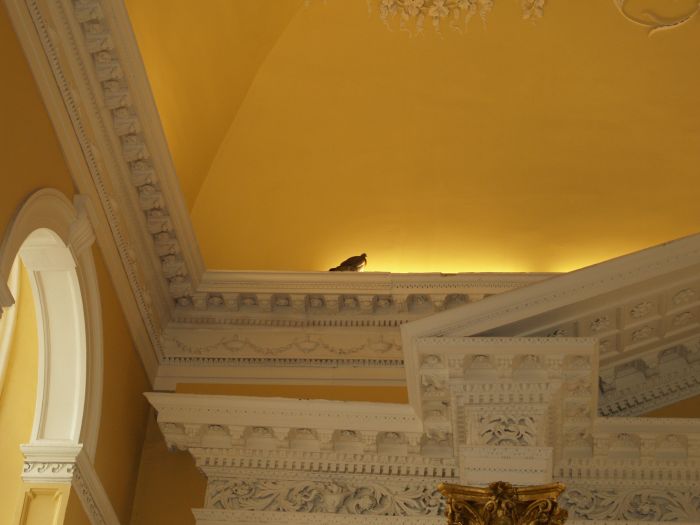
A 'highlighted' pigeon high up above the altar!

A REALLY INTERESTING CHURCH TO VISIT


HOLY TRINITY ROMAN CATHOLIC CATHEDRAL

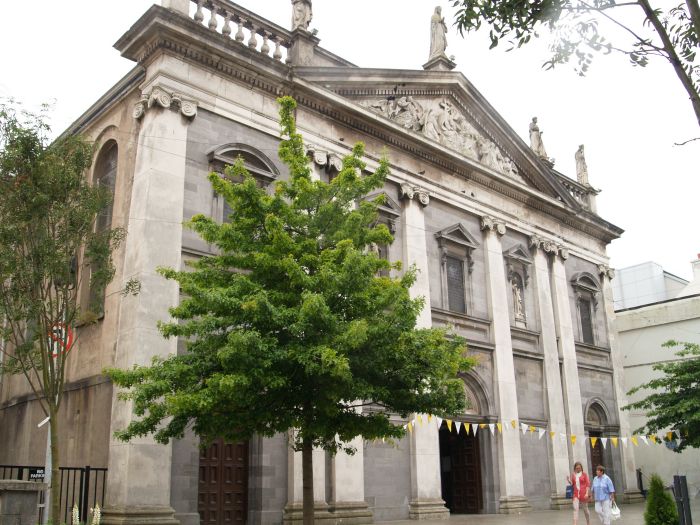
Holy Trinity RC Cathedral, Waterford, entrance in Barronstrand Street dates from ~1773 and was designed by John Roberts, who also designed Christ Church Cathedral and much more of the Georgian buildings and architecture of Waterford

The Holy Trinity RC Cathedral entrance in Barronstrand Street dates from ~1773 and was designed by John Roberts, who also designed Christ Church Cathedral and much more of the Georgian buildings and architecture of Waterford. It is quite unusual for one architect to design both the Protestant and Catholic Cathedrals, in fact unique in the cities of Europe!

PLEASE LEAVE A DONATION TO HELP WITH THE UPKEEP OF THIS BUILDING

The Parish of the Cathedral of St Patrick

Waterford Cathedrals

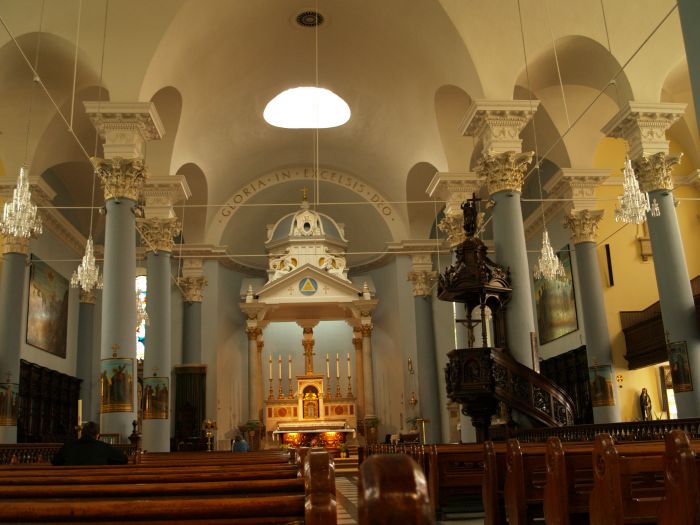
The mighty painted and decorated columns of this grand, but somewhat dark 'basilica'.


The Parish of the Cathedral of St Patrick RC church, Waterford, Ireland

-


Waterford Cathedrals Waterford Cathedrals

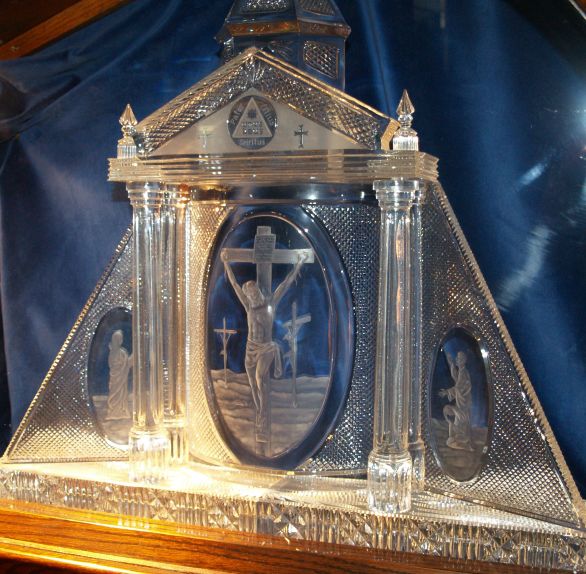
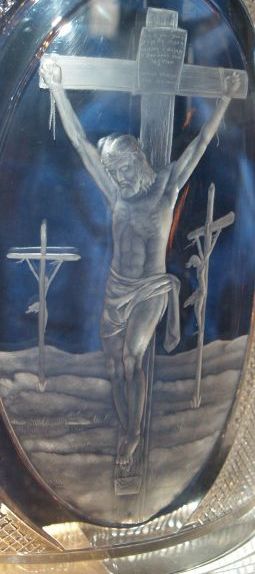
The Waterford Crystal Glass piece designed for, and presented to Holy Trinity, on the Bicentenary of the building of Holy Trinity Cathedral in 1993.


Waterford Cathedrals

-


Waterford Cathedrals

Some of the fine stained glass windows of Holy Trinity Cathedral.


Holy Trinity Roman Catholic Cathedral, Waterford

formally the Cathedral of the Most Holy Trinity — is Ireland’s oldest post‑Reformation Catholic cathedral, completed in 1793 and designed by the prolific Waterford architect John Roberts. It stands on Barronstrand Street and has undergone major phases of expansion, artistic enrichment, and liturgical reordering over more than two centuries.


Historical Development

1. Pre‑cathedral origins (1660–1793)

  • After the Stuart Restoration (1660), Waterford’s Catholic community worshipped in a converted store known as the Old Store, located near the northwest city wall.
  • In 1693, a larger chapel — the “Big Chapel” — was built on the present site during the Penal Laws, serving as the main Catholic place of worship for a century.

2. Construction of the Cathedral (1793)

  • Designed by John Roberts, who also designed the neighbouring Christ Church Cathedral (Church of Ireland).
  • Consecrated in 1793, making it the oldest post‑Reformation Catholic cathedral in Ireland, predating Catholic Emancipation by 36 years.
  • Roberts is said to have supervised the work daily and died from a cold caught on site — a detail often repeated in local tradition.

3. 19th‑century expansions and embellishments

The cathedral’s plan evolved from a simple square to a more elongated basilican form:

  • 1829–1837 — Eastern sanctuary extension under Bishop Abraham.
  • 1854 — Addition of the apse and a new altar under Bishop Foran.
  • 1855–1872 — Installation of:
    • Side altars to Our Lady and St Joseph
    • External railings and gates (removed in the 1960s)
    • Major William Hill & Sons organ (1858)
  • 1881 — Bishop John Power commissions:
    • A grand baldachin
    • A new high altar and reredos
    • Elaborate polychrome decoration
  • 1883–1887 — Installation of stained‑glass windows, mostly by Mayer of Munich.
  • 1893–1897 — Addition of the monumental Ionic classical west front by architect W.H. Byrne, giving the cathedral its present civic grandeur.

4. 20th‑century and modern works

  • 1977 — Major refurbishment after Vatican II:
    • New forward altar
    • Removal of some earlier fittings
    • Installation of Waterford Crystal chandeliers
  • 1990s — Complete reflooring and sacristy restructuring.
  • 2006 — Further interior and exterior conservation and refitting.

Architectural Character

Overall Style

  • Fundamentally Classical in style, with later Baroque‑influenced interior enrichments.
  • Built of limestone, with a T‑shaped plan formed by the nave and double-height side aisles.

Exterior Features

  • West Front (1893–97):
    • Five‑bay, two‑storey Ionic portico
    • Pedimented breakfront with sculptural tympanum
    • Balustraded parapet
    • High‑quality limestone ashlar masonry
  • Windows:
    • Round‑headed openings set in recessed panels
    • Leaded stained glass throughout

Interior Features

  • Nave & Aisles:
    • Double‑height space with a groin‑vaulted ceiling
    • Arcades on Corinthian columns
    • Timber galleries on Ionic pillars, including a bowed west choir gallery
  • High Altar & Apse:
    • 1854 apse with 1881 baldachin and richly carved reredos
    • Later mosaics by Ludwig Oppenheimer of Manchester add a Baroque richness
  • Stained Glass:
    • Largely by Mayer of Munich (1883–87), known for vivid colour and fine figurative work
  • Pulpit, Choir Stalls, Cathedra:
    • Designed by George Goldie (1883)
    • Carved in oak by Buisine & Fils of Lille
  • Organ:
    • 1858 William Hill & Sons instrument, a major feature of the west gallery

Significance

  • The cathedral is a monument of national importance, both architecturally and historically.
  • It anchors the centre of Waterford City and forms a pair with Christ Church Cathedral — both designed by John Roberts, a unique distinction in European cathedral history.
  • Its layered fabric — Penal‑era origins, 18th‑century emancipation, 19th‑century artistic enrichment, and 20th‑century liturgical reforms — makes it a microcosm of Irish Catholic history.


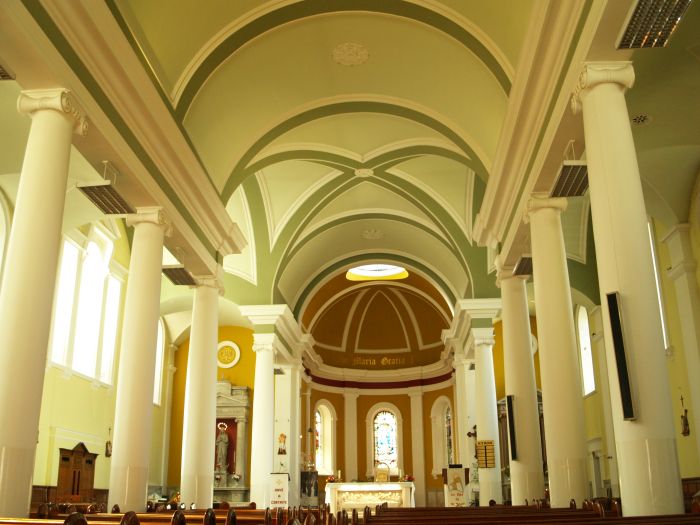
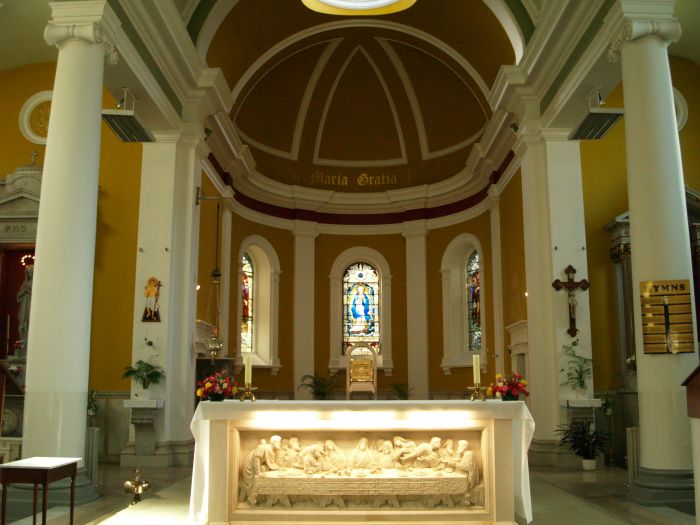
THE FRANCISCAN FRIARY CHURCH

*


*


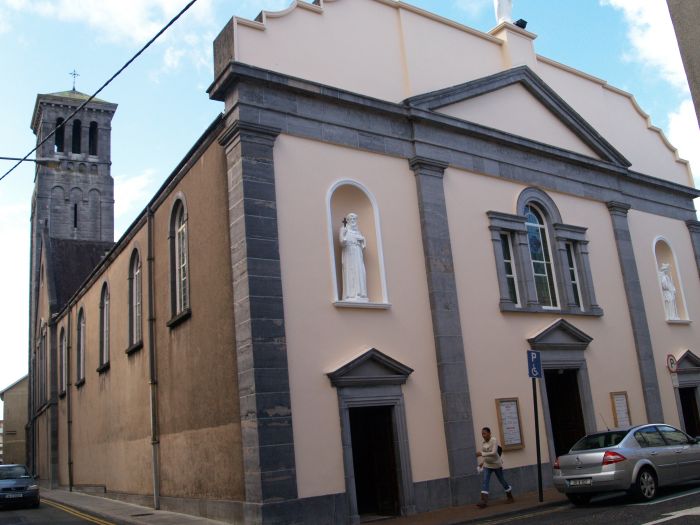
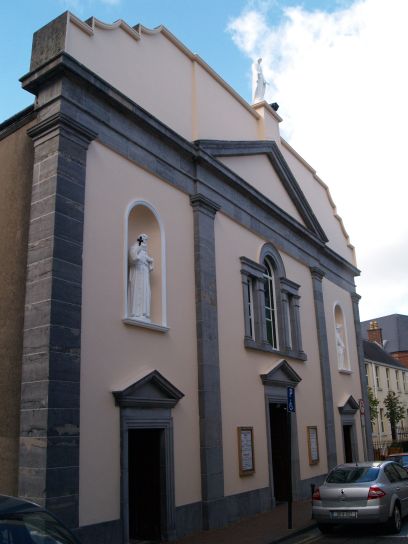
The Franciscan Priory Church, Waterford, Ireland

The Franciscan Priory Church, Waterford, Ireland


*


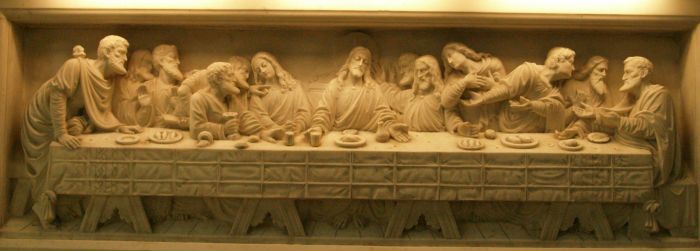
THE LAST SUPPER sculpture in Waterford's RC Cathedral of St Patrick

THE LAST SUPPER sculpture in Waterford's RC Cathedral of St Patrick


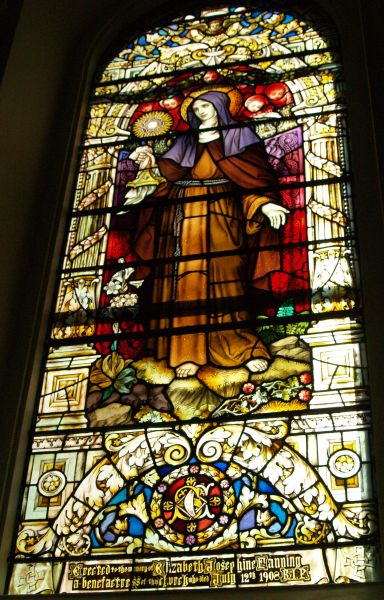
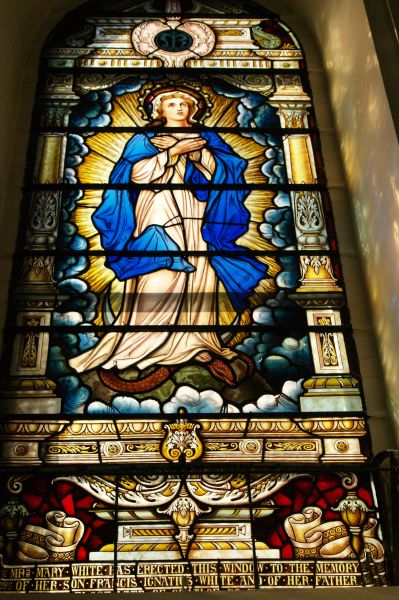
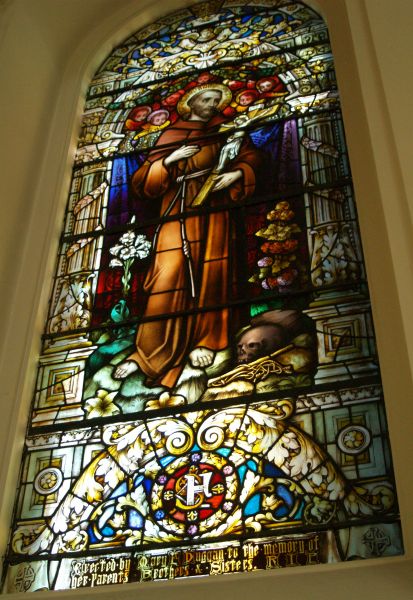
Stained glass window panels in Waterford's RC Cathedral of St Patrick

Stained glass window panels in Waterford's RC Cathedral of St Patrick


*


*


Below is a full, structured, historically grounded guide to the Franciscan Friary Church, Waterford,

Acknowledging correction
Got the correction, now I have web data to work with.

Planning the answer
I’ll provide a concise but structured response, covering the history and architecture of the 19th-century Franciscan Friary Church on Lady Lane (St Mary’s Catholic Church, Franciscan Friary). I’ll break it into sections: overview, history phases, architecture (exterior/interior), and significance. I’ll use citations from the sources I found, especially Buildings of Ireland, Irish Franciscans, and GPSmyCity.

The Franciscan Friary Church on Lady Lane is a 19th‑century Roman Catholic friary church, not a surviving medieval structure. The medieval friary is the separate Greyfriars / French Church site nearby. Let’s focus now on the correct Franciscan church.


Overview

  • Name: St Mary’s Catholic Church, Franciscan Friary (often just “Franciscan Church/Friary”)
  • Location: Lady Lane / Saint Francis Place, Waterford City
  • Order: Franciscan (OFM)
  • Date: Church built 1833–1834, later enlarged and remodelled in the early 20th century
  • Style: Predominantly Classical / Romanesque Revival, with a strong, formal street façade and a richly finished interior

Historical development

1. Franciscan presence before Lady Lane

  • The Franciscans first came to Waterford around 1240, establishing one of Ireland’s earliest friaries at what is now Greyfriars / the French Church.
  • After suppression in the 16th century, they survived in small houses and chaplaincies around the city, never fully disappearing.

2. Move to the present site and first church (1830s)

  • The friars moved to the present Lady Lane site in 1830.
  • The friary was built in 1833, and the church completed in 1834, though it was not opened for several years due to a dispute with the local bishop.
  • This makes it an early post‑Emancipation Catholic church, part of the wave of confident Catholic building in the 1830s.

3. Early 20th‑century enlargement and remodelling

  • 1905–1908: Major expansion—nearby premises (including a former Protestant national school) were purchased and cleared to allow the church to be enlarged and given a more imposing presence, including the five‑stage tower.
  • 1928–1933: Further renovations and structural improvements; the present friary building dates from 1928, and the church was again enlarged and refined in 1931–1933.
  • 1944: The church was formally consecrated on 17 May 1944 by Bishop Daniel Cohalan, marking its full canonical status as a consecrated church in the diocese.

4. Recent history

  • The Franciscans remained on the site until May 2019, when the friars left Waterford; the friary buildings were handed over to the Sisters of the Morning Star, while Mass and Confession continue with friars travelling from Clonmel.

Architectural character

General form

  • Plan: Detached, eight‑bay, double‑height church with a six‑bay nave, short transepts north and south, a western chancel with a bowed apse, sacristy to the north‑west, and a five‑stage tower to the south‑west.
  • Style: A blend of Classical and Romanesque Revival:
    • Classical composition and detailing on the façade
    • Round‑headed (Romanesque‑type) windows and a semi‑circular apse
    • Internally, a strong Classical order with Ionic columns and coffered ceilings

Exterior architecture

East (entrance) front

  • Painted rendered façade with cut‑limestone dressings forming a strong frontispiece:
    • Full‑height pilasters
    • Plain frieze and moulded cornice
    • Pediment over the main entrance
  • Above, a curvilinear parapet with cut‑stone dressings and niches containing statuary, giving a formal, almost civic presence to the street.

Windows and walls

  • Venetian windows (central arched light flanked by two lower side lights) to the entrance front and transepts, with Classical limestone surrounds.
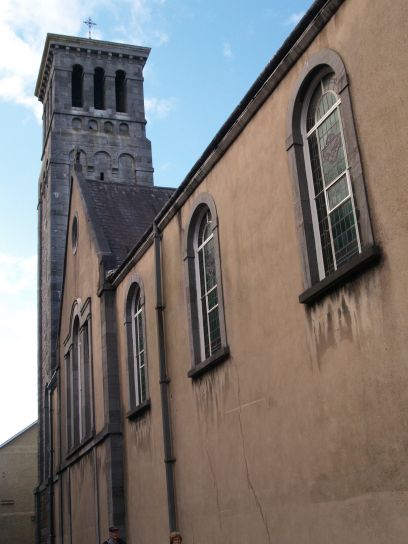
  • Round‑headed windows to nave and apse, again with limestone surrounds and stained glass.
  • Walls are rendered and ruled, with tooled cut‑limestone used prominently on the tower and dressings.

Tower

  • Five‑stage square tower (added/heightened in the early 20th‑century works):
    • Coursed cut‑limestone with advanced corner piers
    • Stringcourses marking the stages
    • Round‑headed openings to the belfry stage in tripartite arrangement
    • Shallow pyramidal slate roof
  • This tower is what now gives the church its “commanding” skyline presence on Lady Lane.

Interior architecture

Spatial character

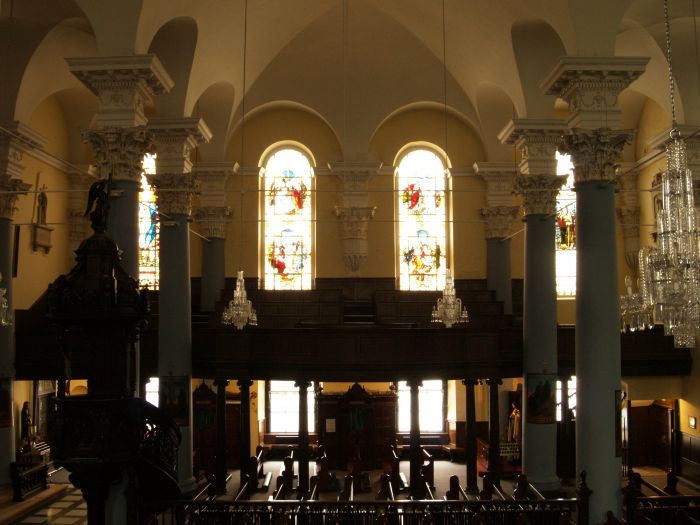
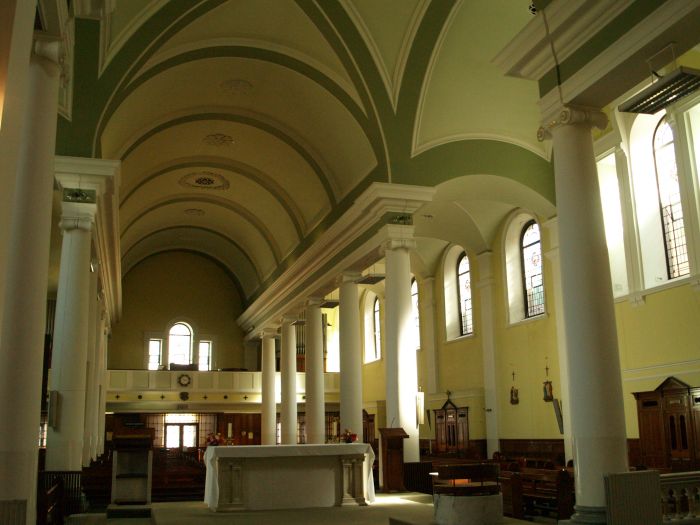
  • Full‑height interior open to the roof, creating a generous, hall‑like nave.
  • A glazed timber‑panelled internal porch with a gallery above at the east end.
  • The overall impression is of a Classical basilican interior adapted to 19th‑century Catholic liturgy.

Arcades and columns

  • A full‑height arcade with Ionic columns runs along the nave, supporting a moulded plaster cornice.
  • This Ionic order is one of the key Classical signatures of the interior, giving rhythm and dignity to the space.

Ceilings

  • Groin‑vaulted plaster ceiling over the main body of the church.
  • Coffered plaster ceiling to the apse, emphasising the sanctuary and high altar.

Altars and fittings

  • Carved marble altar furniture at the crossing and sanctuary, including:
    • High altar
    • Communion rails
  • Cut‑stone Classical side altars in the transept chapels.
  • Timber pews and gallery fittings are finely worked, reflecting early 20th‑century refurbishments.

Significance

  • Architectural:
    • Rated of national importance in the Buildings of Ireland survey for its architectural, artistic, historical, social, and technical interest.
    • A strong example of a Classical / Romanesque‑Revival urban friary church, with a carefully composed façade and a refined interior.
  • Historical:
    • Embodies the 19th‑century revival of Catholic religious orders in Irish cities after Penal times.
    • Physically distinct from, but historically linked to, the medieval Franciscan friary (Greyfriars / French Church) a short distance away.
  • Religious and social:
    • For nearly two centuries it has been a centre of Franciscan ministry, confession, preaching, and social outreach in Waterford.
    • Even after the friars’ departure in 2019, the church remains liturgically active, now with a new religious community on site

previous page <-> next page

Irish holiday tour docspics photos images pics photographs pictures © Phil Brown * Irish holiday tours, touring in Ireland, top tourist attractions, tourism information, luxury hotels, self-catering holiday cottages, airbnb air b and b air B&B accommodation, historic towns & cities in Ireland archaeological sites, museums, cheap flights, get there by flying of Ferry, Irish Ferries, Stena Line, Ryanair Travel, dining out in Ireland, good food guide to Ireland, top Irish restaurants, Irish coach tours, weekend breaks trips to Ireland docspics images photos of Waterford Cathedral © Phil Brown Tourist information on Waterford Cathedral, Walks near Waterford Cathedral, Having holidays near Waterford Cathedral, Ireland, Top tourist attractions near Waterford Cathedral, luxury hotels near Waterford Cathedral, self-catering holiday cottages near Waterford Cathedral, airbnb air B and B near Waterford Cathedral, good B&B near Waterford Cathedral, friendly pubs near Waterford Cathedral, cafes near Waterford Cathedral, eating out in fine restaurants near Waterford Cathedral, weekend breaks near Waterford Cathedral, wining & dining weekends near Waterford Cathedral, walking holidays around Waterford Cathedral, touring coach tours including Waterford Cathedral, pretty villages near Waterford Cathedral, historic towns and pretty village near Waterford Cathedral, museums near Waterford Cathedral, local art galleries near Waterford Cathedral, guided walks from Waterford Cathedral, excellent fell hill walking around Waterford Cathedral, rambling near Waterford Cathedral, exploring the landscape near Waterford Cathedral, good places to eat near Waterford Cathedral, tourist attractions near Waterford Cathedral, tourist information for places near Waterford Cathedral, good places for wining and dining near Waterford Cathedral, good walks near Waterford Cathedral, properties for sale near Waterford Cathedral, renting a flat or house near Waterford Cathedral, property for rent near Waterford Cathedral, houses for sale near Waterford Cathedral, lettings near Waterford Cathedral, places to rent near Waterford Cathedral, holiday cottage accommodation near Waterford Cathedral docspics images photos of Franciscan Friary Church, Waterford © Phil Brown Tourist information on Franciscan Friary Church, Waterford, Walks near Franciscan Friary Church, Waterford, Having holidays near Franciscan Friary Church, Waterford, Ireland, Top tourist attractions near Franciscan Friary Church, Waterford, luxury hotels near Franciscan Friary Church, Waterford, self-catering holiday cottages near Franciscan Friary Church, Waterford, airbnb air B and B near Franciscan Friary Church, Waterford, good B&B near Franciscan Friary Church, Waterford, friendly pubs near Franciscan Friary Church, Waterford, cafes near Franciscan Friary Church, Waterford, eating out in fine restaurants near Franciscan Friary Church, Waterford, weekend breaks near Franciscan Friary Church, Waterford, wining & dining weekends near Franciscan Friary Church, Waterford, walking holidays around Franciscan Friary Church, Waterford, touring coach tours including Franciscan Friary Church, Waterford, pretty villages near Franciscan Friary Church, Waterford, historic towns and pretty village near Franciscan Friary Church, Waterford, museums near Franciscan Friary Church, Waterford, local art galleries near Franciscan Friary Church, Waterford, guided walks from Franciscan Friary Church, Waterford, excellent fell hill walking around Franciscan Friary Church, Waterford, rambling near Franciscan Friary Church, Waterford, exploring the landscape near Franciscan Friary Church, Waterford, good places to eat near Franciscan Friary Church, Waterford, tourist attractions near Franciscan Friary Church, Waterford, tourist information for places near Franciscan Friary Church, Waterford, good places for wining and dining near Franciscan Friary Church, Waterford, good walks near Franciscan Friary Church, Waterford, properties for sale near Franciscan Friary Church, Waterford, renting a flat or house near Franciscan Friary Church, Waterford, property for rent near Franciscan Friary Church, Waterford, houses for sale near Franciscan Friary Church, Waterford, lettings near Franciscan Friary Church, Waterford, places to rent near Franciscan Friary Church, Waterford, holiday cottage accommodation near Franciscan Friary Church, Waterford

LONDON Scenes and Notes IRELAND - IRISH Scenes and Notes Selected Views of IRELAND DUBLIN Scenes and Notes SELECTED DUBLIN VIEWS Scenes from PARIS, capital city of France YORKSHIRE DALES and North Pennines scenes and notes
Email Docs Pics CZECH REPUBLIC PRAGUE Pictures and Notes City of OXFORD Scenes & Notes HUNGARY BUDAPEST Gyor Pictures and Notes SCOTLAND - SCOTTISH Scenes and Notes LAKE DISTRICT PICTURES of England's Northern Lakeland YORK Scenes and Notes AUSTRIA-VIENNA Scenes and Notes BRISTOL images & notes

TOP OF PAGE